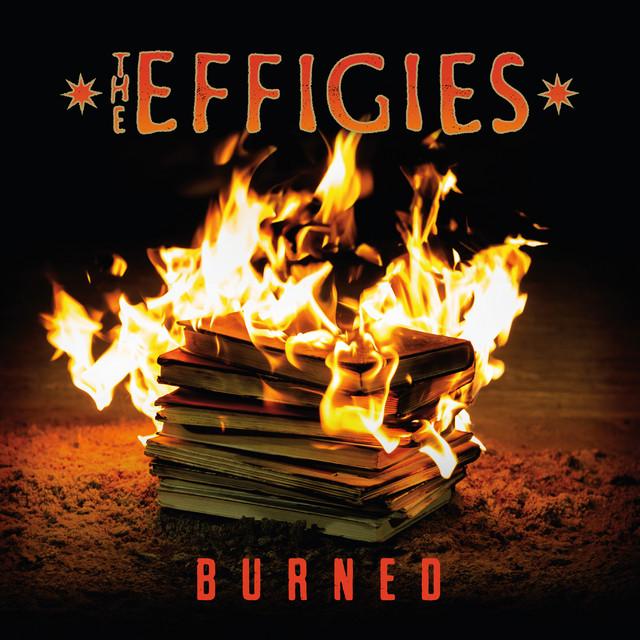
The Effigies

Punk
Punk Rock
Hardcore Punk
 Viberate Rank: 280247
 Viberate Rank: 280247
 Monthly ListenersFollowers
 Subscribers
 Followers
 Followers
 FansTop Spotify Songs
| Track | 7-Day Streams | |
|---|---|---|
1 | 478 | |
2 | 286 | |
3 | 266 | |
4 | 228 | |
5 | 180 |
Top YouTube VideosMonthly ListenersFeatured in Playlists| Playlist | Followers | |
|---|---|---|
1 |  Dropkick Murphys Pre Show Playlist dropkickmurphysofficial | 7.21K |
2 |  Steve Albini's 20 favourite songs Far Out Magazine | 3.70K |
3 |  Skate Rock LEX2000 | 3.23K |
4 |  Official Riot Fest 2025 Playlist RIOT FEST | 2.65K |
5 |  The Sound of Hardcore Punk The Sounds of Spotify | 2.51K |
Audience| City | Monthly Listeners | |
|---|---|---|
1 | | 244 |
2 | | 78 |
3 | | 74 |
4 |  | 69 |
5 | | 68 |
See full performance history, audience data, playlist activity, rankings, comparisons, and more in Viberate music analytics. Start with a free trial, then continue with a paid plan.
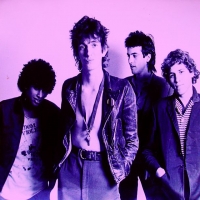
The Effigies’ Spotify BioOne of the first major bands on the Chicago punk scene, the Effigies arrived as first-era punk was being supplanted by hardcore, but their sound reflected little of either. The band was less interested in speed than impact: their songs were simple but intelligently constructed, their lyrics were angry but artful meditations on urban alienation with shout-along choruses, and their performances were muscular and made clever use of dynamics with the guitars grinding and slashing. The Effigies' influence in the Midwest (especially in their hometown) was significant, and one can hear the faint echo of their early work in bands like Naked Raygun and Big Black. They moved into a more streamlined, post-punk sound on later works like 1984's For Ever Grounded that paid even less attention to punk orthodoxy without sacrificing their passion and vehemence.
The Effigies were formed in either late 1979 or early 1980, a time when Chicago's punk scene was still coalescing, struggling in an environment… where music clubs were hostile to the new sounds and local radio offered bands little if any support. The first lineup -- lead singer John Kezdy, guitarist Earl Letiecq, bassist Paul Zamost, and drummer Steve Economou -- didn't make their public debut until November 1980, appearing at Oz, an underground club without a liquor license that faced frequent harassment by the police. The Effigies quickly became favorites on the nascent scene, and in March 1981, they took part in a series of shows that were recorded for a seminal live Chicago punk sampler, Busted at Oz. Autumn Records, the label that issued Busted at Oz, struck a deal with the Effigies to release their first studio project, a five-song EP called Haunted Town. Autumn failed to meet their self-imposed schedule to release the records, and the band was unhappy with the label's financial arrangements; in time, the Effigies won back rights to the EP, and in 1984 it was reissued by Ruthless Records under the title The Effigies.
1982 saw the release of a 7" single, "Bodybag" b/w "Security," and the band set out on tour, playing nearly every major punk venue on the East and West Coasts and the Midwest; another EP, We're Da Machine, was issued by Ruthless in 1983, which had entered into a distribution deal with the noted West Coast independent label Enigma. It came at a difficult time for the band, as touring plans were hobbled by canceled dates and they still had trouble playing in their hometown. By the time they released their first full-length, For Ever Grounded, in 1984, their approach was changing and the material was dominated by somewhat slower tempos and a feel that had less to do with punk and was more beholden to the growing alternative community, though their music hadn't lost its aggressive force. Following the release of For Ever Grounded, Earl Letiecq had a falling out with his bandmates and left the group; Robert O'Connor took over on guitar. Producer and engineer Iain Burgess, who had recorded many of Chicago's best punk outfits, worked with the band on their second full-length LP, 1985's stripped-down Fly on a Wire. Ink, their third album and second with Burgess, appeared in 1986. The group booked a lengthy tour to support it, but unexpected delays led to the LP not appearing in stores until after the road trip had ended. Tensions were high and John Kezdy was fired by his bandmates, who formed a new band, Machines in Motion. In 1987, Kezdy re-formed the Effigies, with Earl Letiecq on guitar, Chris Bjorklund on bass, and Joe Haggerty on drums. (The two new members had both been in the band Bloodsport.) The group played live but no new recordings were released, and in 1988 Letiecq dropped out; Bjorklund moved from bass to guitar, and Tom Woods, another Bloodsport alumnus, took over on bass. 1989 saw the release of Remains Nonviewable, a compilation from Roadkill Records that included the long out-of-print Haunted Town and We're Da Machine EPs, the "Body Bag" single, and selected tracks from For Ever Grounded.
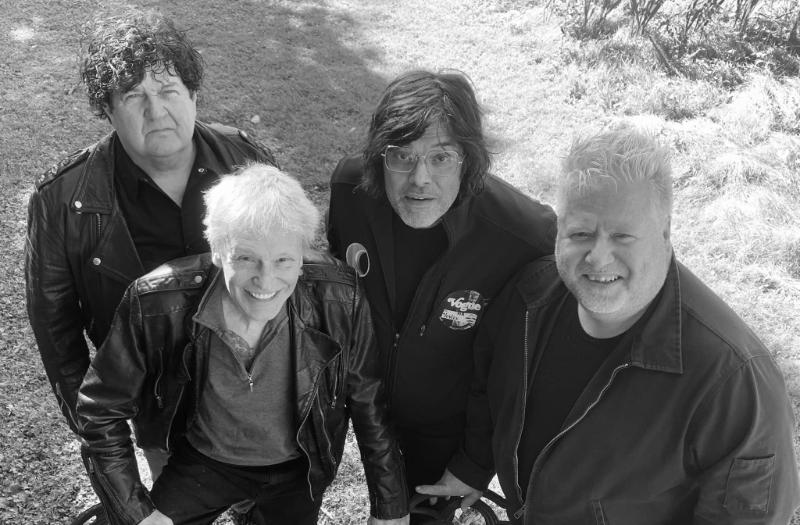
In 1990, Kezdy folded the group to pursue a new career as a lawyer. He occasionally reformed the Effigies for one-off reunion shows, including a pair to celebrate the 1995 upgraded reissue of Remains Nonviewable by Touch & Go Records. In 2004, John Kezdy, Paul Zamost, and Steve Economou formed a new edition of the Effigies, with Robert McNaughton on guitar. This version entered the studio to cut the first Effigies album in 21 years, 2007's Reside. Three years later, the original line-up of the Effigies was slated to play a reunion show with other bands from the Busted at Oz LP as part of 2010's Chicago Riot Fest, but dropped out when Earl Letiecq was unable to do the gig, which led to the band once again going on hiatus. On July 4, 2022, John Kezdy was shot while attending an Independence Day parade in Highland Park, Illinois by a gunman who killed seven spectators and wounded 48. Kezdy survived the attack but a little more than a year later, he was killed in a crash with an Amazon delivery truck while riding his bicycle on August 26, 2023. He was 64. ~ Mark Deming, Rovi
Viberate is a music analytics platform built for A&Rs, artist managers, labels, booking agents, marketers, and artists.
It helps music professionals track artist growth, analyze audience data, monitor playlist activity, compare artists, follow song performance, and identify opportunities across the music market.
Public artist pages provide a free preview of selected artist data. Paid plans provide access to deeper analytics, historical data, charts, comparisons, playlist tools, exports, alerts, reports, and additional professional features.
Yes. Public Viberate artist pages provide selected artist analytics and music data for free.
Viberate also offers a 7-day free trial of the full platform. A credit card is required to start the trial. The trial includes access to the complete product so users can test deeper artist analytics, historical views, playlist insights, comparisons, charts, exports, alerts, and reporting features before choosing a paid plan.
Viberate provides artist analytics across streaming, playlists, social media, video, radio airplay, songs, and audience markets.
Users can analyze Spotify performance, Spotify and Apple Music playlists, YouTube activity, TikTok and Instagram growth, radio spins, song performance, audience locations, demographics, rankings, and overall artist momentum.
Artist profiles also connect to music charts, similar artists, and comparison tools, helping users benchmark performance and evaluate artists in context.
Viberate updates key artist and track data daily.
For followed artists and tracks, selected data is refreshed multiple times per day. This helps teams monitor playlist changes, streaming movement, audience growth, releases, and campaign performance with more current data.
Update frequency can vary depending on the metric and data source.
Yes. Viberate lets users compare up to five artists side by side across streaming, social media, audience, and engagement metrics.
Users can compare fanbase growth, audience demographics, locations, Spotify performance, social metrics, and other artist data over selected time periods.
Artist comparison can be used for A&R scouting, benchmarking, booking decisions, campaign planning, and evaluating artists with similar audiences or market positions.