Dead Moon

Rock
Garage Rock
 Viberate Rank: 93679
 Viberate Rank: 93679
 Monthly ListenersFollowers
 Subscribers
 Followers
 Followers
 FansTop Spotify Songs
| Track | 7-Day Streams | |
|---|---|---|
1 | 25.84K | |
2 | 10.78K | |
3 | 8.10K | |
4 | 3.79K | |
5 | 3.26K |
Top YouTube VideosMonthly ListenersFeatured in Playlists| Playlist | Followers | |
|---|---|---|
1 |  EA skate. 3 Soundtrack skate. | 63.47K |
2 | wicks Brennan McDowell | 43.73K |
3 | Finlay Chetwood | 40.98K |
4 |  Cat Power - All Covers Cat Power | 11.32K |
5 |  El Sótano de Radio 3 Groovyfamily | 9.84K |
Audience| City | Monthly Listeners | |
|---|---|---|
1 | | 2.59K |
2 | | 1.99K |
3 |  | 1.65K |
4 | | 1.57K |
5 |  | 1.47K |
See full performance history, audience data, playlist activity, rankings, comparisons, and more in Viberate music analytics. Start with a free trial, then continue with a paid plan.
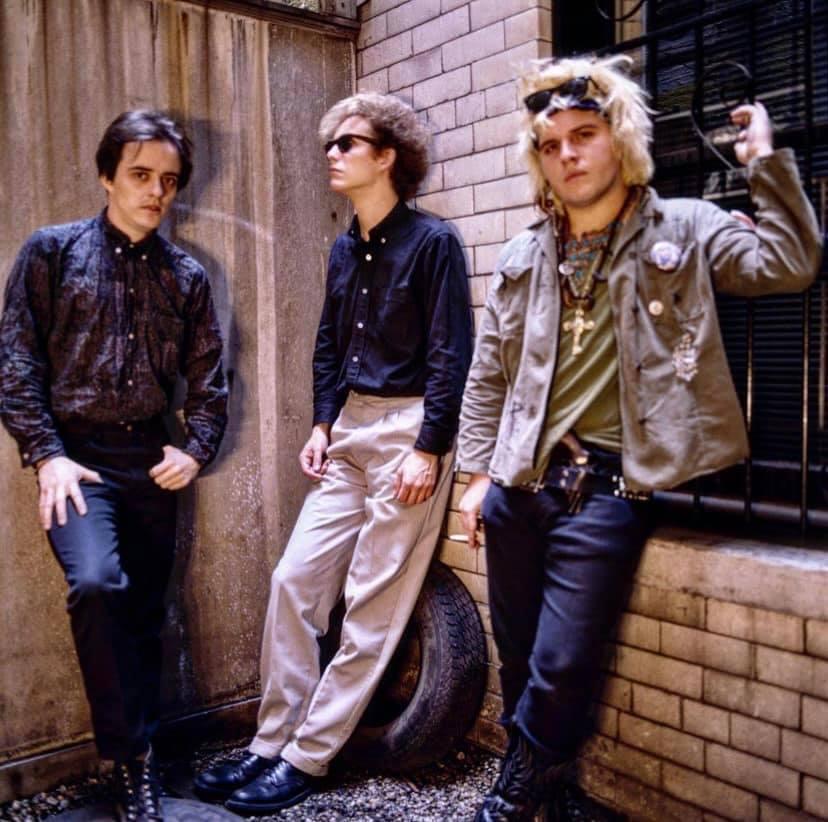
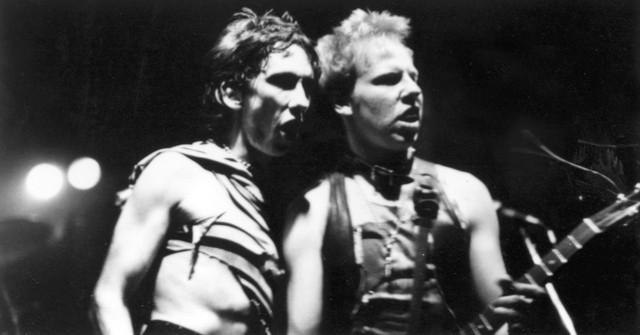
Dead Moon’s Spotify BioDead Moon, a three-piece from Portland, Oregon, were known for their own particular brand of rootsy garage punk. Their music conjured images of hard-luck easy riders and lovers against the world. While their sound alternated between moody and aggressive, it was always remarkably genuine and energetic. The band was fronted by the husband-and-wife team of Fred and Toody Cole. Fred began his enduring musical career at the age of 15. Many years and many bands later (after living through experiences as varied as homesteading in Alaska, dodging the Vietnam War draft, and hunting bears), the two formed a punk band called the Rats. Later, after adding Andrew Loomis on drums, Dead Moon were formed in 1987. Frequently on the road in Europe where they had a huge and devoted following, widespread popularity in the U.S. continued to elude them.
For almost a decade, Dead Moon released LPs on their own Tombstone label. All of those releases were vinyl-only and cut on the same lathe that the Kingsmen's… version of "Louie Louie" was cut on back in 1963. In 1991, they began to re-release the vinyl-only albums on CD through Music Maniac in Europe and eMpTy in the United States, an effort that continued into the new millennium. Sub Pop released the retrospective Echoes of the Past, a collection of Dead Moon songs handpicked by Fred Cole, in 2006. The band abruptly split up later in 2006, with Fred and Toody quickly forming a new band under the name Pierced Arrows. The massive Dead Moon back catalog would see various re-releases over the years following their breakup. In 2015, an archival live show was released in the form of Tales from the Grease Trap, Vol. 1. The recordings were made at a frantic 1993 show at Portland's infamous punk venue Satyricon. Another archival live disc, What a Way to See the Old Girl Go, appeared in April 2017, documenting Dead Moon's set on the final night of another noted Portland punk haunt, the X-Ray Cafe, in August 1994. Drummer Andrew Loomis died in March 2016 at the age of 54, and Fred Cole died in November 2017 at age 69. ~ Alex Zorn, Rovi
Viberate is a music analytics platform built for A&Rs, artist managers, labels, booking agents, marketers, and artists.
It helps music professionals track artist growth, analyze audience data, monitor playlist activity, compare artists, follow song performance, and identify opportunities across the music market.
Public artist pages provide a free preview of selected artist data. Paid plans provide access to deeper analytics, historical data, charts, comparisons, playlist tools, exports, alerts, reports, and additional professional features.
Yes. Public Viberate artist pages provide selected artist analytics and music data for free.
Viberate also offers a 7-day free trial of the full platform. A credit card is required to start the trial. The trial includes access to the complete product so users can test deeper artist analytics, historical views, playlist insights, comparisons, charts, exports, alerts, and reporting features before choosing a paid plan.
Viberate provides artist analytics across streaming, playlists, social media, video, radio airplay, songs, and audience markets.
Users can analyze Spotify performance, Spotify and Apple Music playlists, YouTube activity, TikTok and Instagram growth, radio spins, song performance, audience locations, demographics, rankings, and overall artist momentum.
Artist profiles also connect to music charts, similar artists, and comparison tools, helping users benchmark performance and evaluate artists in context.
Viberate updates key artist and track data daily.
For followed artists and tracks, selected data is refreshed multiple times per day. This helps teams monitor playlist changes, streaming movement, audience growth, releases, and campaign performance with more current data.
Update frequency can vary depending on the metric and data source.
Yes. Viberate lets users compare up to five artists side by side across streaming, social media, audience, and engagement metrics.
Users can compare fanbase growth, audience demographics, locations, Spotify performance, social metrics, and other artist data over selected time periods.
Artist comparison can be used for A&R scouting, benchmarking, booking decisions, campaign planning, and evaluating artists with similar audiences or market positions.