The Gories

Punk
Punk Rock
Garage Rock
Contemporary Blues
 Viberate Rank: 161817
 Viberate Rank: 161817
 Monthly ListenersFollowers
 Subscribers
 Followers
 Followers
 FansTop Spotify Songs
| Track | 7-Day Streams | |
|---|---|---|
1 | 3.85K | |
2 | 2.52K | |
3 | 2.52K | |
4 | 1.05K | |
5 | 518 |
Top YouTube VideosMonthly ListenersFeatured in Playlists| Playlist | Followers | |
|---|---|---|
1 |  Garage, Surf & Rockabilly Spotify | 85.95K |
2 |  El Sótano de Radio 3 Groovyfamily | 9.84K |
3 |  Pinky Blinders Telmo | 9.76K |
4 |  Surf rock/psychadelic/jingly jangly Sam Gbr Vy | 8.46K |
5 | space rock & psychedelia Edson Alejandro Adame | 8.05K |
Audience| City | Monthly Listeners | |
|---|---|---|
1 | | 576 |
2 | | 443 |
3 | | 401 |
4 | | 321 |
5 |  | 283 |
See full performance history, audience data, playlist activity, rankings, comparisons, and more in Viberate music analytics. Start with a free trial, then continue with a paid plan.
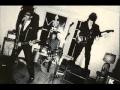
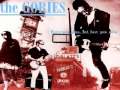
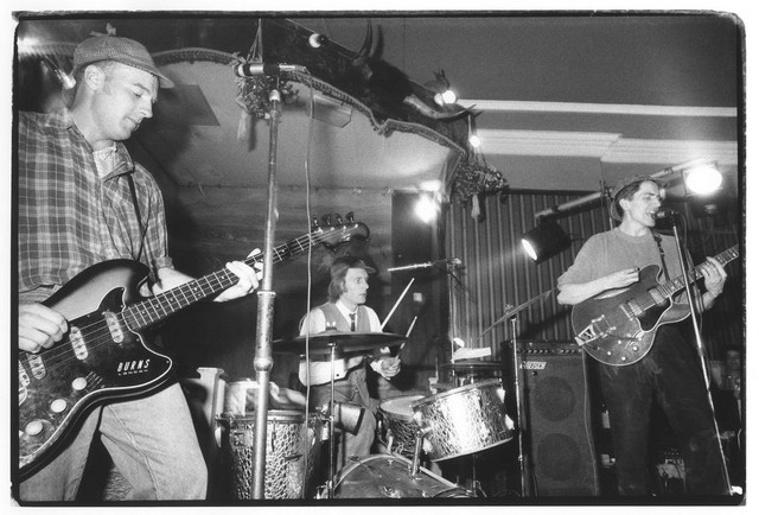
The Gories’ Spotify BioThe emergence of the Gories heralded a new Golden Age of Detroit rock beginning in the late '80s; a renaissance of noise and rustbelt rock that lasts through to today. Formed in 1986 by three Detroit natives -- Mick Collins, Peg O'Neill, and Dan Kroha (none of whom previously knew how to play an instrument) -- the Gories took their name from a band of the same name that appeared in the Gidget series of the late '50s/early '60s. Comprised of two guitarists and a drummer (i.e., no bass), the Gories concocted a primal, raw yet soulful blend of garage punk, culling a wealth of inspiration and cover material from Bo Diddley, Howlin' Wolf, and John Lee Hooker. The three-piece also paid homage to the Keggs and Nick & the Jaguars, two other bassless bands from Detroit.
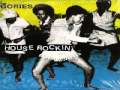
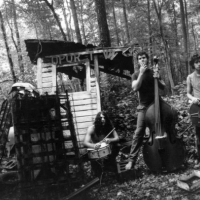
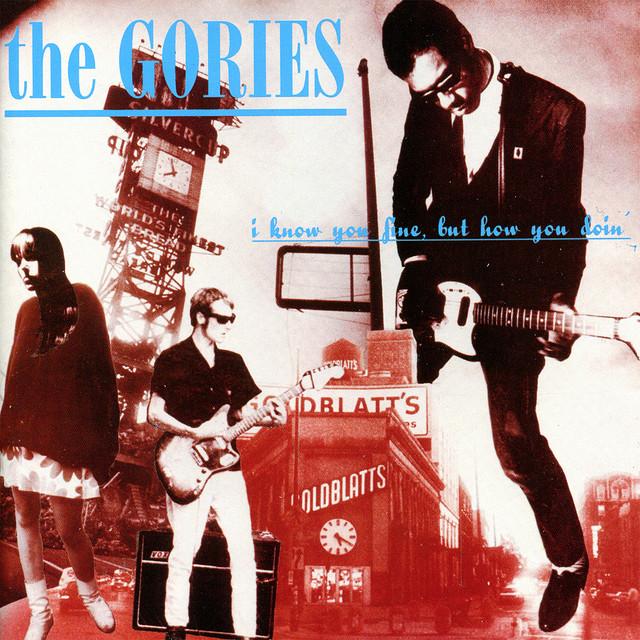
The Gories began their recorded career in 1987 with two tracks on the Wanghead compilation It Came from the Garage II, the same compilation that featured Nine Pound Hammer (who would go on to become Nashville Pussy). Len Punch,… the owner of Wanghead, recorded and released their first album, Houserockin', in 1989. According to legend, these first Gories recordings were executed in a tin shack. For their second album, Alex Chilton of Big Star joined them as producer, recording I Know You Fine, But How You Doin' for the French label New Rose. Throughout this entire period, the band continued to release various 7" singles, including a cover of Spinal Tap's "Give Me Some Money" for the Sub Pop Singles Club. In 1992, Crypt released Outta Here, their third album and what would be their last for some time to come.
Following an especially tumultuous European tour, the Gories broke up unceremoniously. Mick Collins continued to perform in Blacktop, King Sound Quartet, the Screws, and the Dirtbombs, and contributed to Andre Williams' Silky and The Black Godfather and Speedball Baby's Uptight. Dan Kroha spent some time in Rocket 455, the gender-bending bassless trio the Demolition Doll Rods, and Danny and the Darleens, as well as playing solo and making multiple cameo appearances. Peg O'Neill recorded a few tracks with '68 Comeback and played for a time with New Orleans act the Darkest Hours.
In 2009, the Gories reunited to play a handful of shows with their former sister band, the Oblivians, who were also re-forming after a lengthy hiatus. Shows in Detroit, Memphis, and throughout Europe that summer led to more sporadic Gories shows in the years that followed, bringing the band out of a decidedly disbanded phase into a state of semi-activity. In late 2013 a live album entitled The Shaw Tapes surfaced, comprised of gritty audio from a sparsely attended 1988 gig at a rented storefront outside of Detroit. The live album was released on Third Man Records, label of the White Stripes' Jack White, an outspoken fan of the Gories and someone whose music was deeply influenced by the band. ~ Alex Zorn, Rovi
Viberate is a music analytics platform built for A&Rs, artist managers, labels, booking agents, marketers, and artists.
It helps music professionals track artist growth, analyze audience data, monitor playlist activity, compare artists, follow song performance, and identify opportunities across the music market.
Public artist pages provide a free preview of selected artist data. Paid plans provide access to deeper analytics, historical data, charts, comparisons, playlist tools, exports, alerts, reports, and additional professional features.
Yes. Public Viberate artist pages provide selected artist analytics and music data for free.
Viberate also offers a 7-day free trial of the full platform. A credit card is required to start the trial. The trial includes access to the complete product so users can test deeper artist analytics, historical views, playlist insights, comparisons, charts, exports, alerts, and reporting features before choosing a paid plan.
Viberate provides artist analytics across streaming, playlists, social media, video, radio airplay, songs, and audience markets.
Users can analyze Spotify performance, Spotify and Apple Music playlists, YouTube activity, TikTok and Instagram growth, radio spins, song performance, audience locations, demographics, rankings, and overall artist momentum.
Artist profiles also connect to music charts, similar artists, and comparison tools, helping users benchmark performance and evaluate artists in context.
Viberate updates key artist and track data daily.
For followed artists and tracks, selected data is refreshed multiple times per day. This helps teams monitor playlist changes, streaming movement, audience growth, releases, and campaign performance with more current data.
Update frequency can vary depending on the metric and data source.
Yes. Viberate lets users compare up to five artists side by side across streaming, social media, audience, and engagement metrics.
Users can compare fanbase growth, audience demographics, locations, Spotify performance, social metrics, and other artist data over selected time periods.
Artist comparison can be used for A&R scouting, benchmarking, booking decisions, campaign planning, and evaluating artists with similar audiences or market positions.