Blue Magic

R&B
Contemporary R&B
Soul
 Viberate Rank: 41828
 Viberate Rank: 41828
 Monthly ListenersFollowers
 Subscribers
 Followers
 Followers
 FansTop Spotify Songs
| Track | 7-Day Streams | |
|---|---|---|
1 | 82.00K | |
2 | 21.94K | |
3 | 15.02K | |
4 | 13.58K | |
5 | 13.13K |
Top YouTube VideosMonthly ListenersFeatured in Playlists| Playlist | Followers | |
|---|---|---|
1 |  Timeless Soul Ballads Spotify | 377.45K |
2 |  Philly Soul Spotify | 180.66K |
3 |  70s R&B/Soul - The Golden Era Raul Gabriel - Music | 159.69K |
4 | Lowrider oldies Pinchekodiak | 91.33K |
5 |  Best Low Rider Oldies🎭 truly | 82.67K |
Audience| City | Monthly Listeners | |
|---|---|---|
1 | | 12.30K |
2 |  | 6.45K |
3 | | 4.81K |
4 | | 4.36K |
5 |  | 4.31K |
See full performance history, audience data, playlist activity, rankings, comparisons, and more in Viberate music analytics. Start with a free trial, then continue with a paid plan.
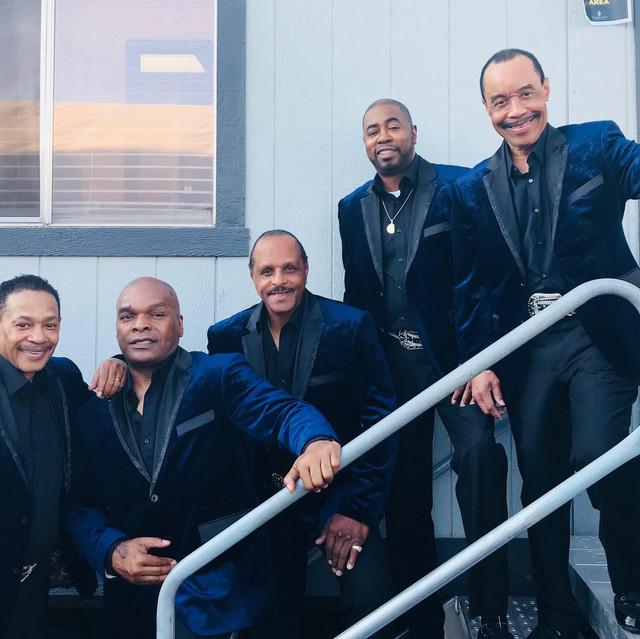
Blue Magic’s Spotify BioAlong with the Stylistics and the Delfonics, Blue Magic ensured that Philly soul was known for vocal groups with high-tenor lead vocalists as much as wailers and crooners. Featuring most prominently the exceptional voice of Ted Wizard Mills, Blue Magic enjoyed remarkable success as a quintet from 1973 through 1976, during which they released their first four albums, starting with Blue Magic, and took a dozen singles to Billboard's R&B chart, reaching number one with "Sideshow," also a Top Ten pop hit and million-seller. Known most for their plush and elaborately arranged ballads -- they worked closely with Norman Harris and other members of the first-rate studio collective MFSB -- Blue Magic also thrived with exemplary proto-disco cuts like "Welcome to the Club" and dazzled on-stage with their choreographed moves. Toward the end of their fruitful phase with the ATCO label, the group underwent a series of lineup changes and moved from label to label. They scored their last couple of… significant R&B hits in 1989, and since the dawn of the '90s have performed in numerous incarnations, recording albums into the 2020s.
Blue Magic developed out of the Toppiks, a group fronted by lead tenor Ted Wizard Mills, and another Philadelphia vocal group, Shades of Love, consisting of tenor Keith "Duke" Beaton, bass vocalist Richard Pratt, and baritone brothers Vernon and Wendell Sawyer. Mills' group had released an independent single and had a subsequent demo funded by co-founders of the fledgling management company and label WMOT. That recording turned into the single "Spell," a ballad written by Mills, produced by Norman Harris, and released in late 1972 through Atlantic Records' ATCO subsidiary. Although "Spell" was credited to Blue Magic, it wasn't until after its making that Beaton, Pratt, and the Sawyers joined Mills, solidifying the group's membership. (Mills' mates in the Toppiks were older and too tied to adult commitments to devote themselves to music full-time.) "Spell" began its climb to number 30 on Billboard's R&B chart in March 1973, and by the end of the year, Blue Magic charted a second and third time with the uptempo "Look Me Up" and "Stop to Start." The full-length Blue Magic followed in January, as "Stop to Start" was heading toward number 14 on the R&B chart (and number 75 on the Hot 100). The fourth single off Blue Magic became the group's biggest hit of all. "Sideshow," a finely wrought ballad optimizing Mills' exquisite falsetto, topped the R&B chart, shot to number eight on the Hot 100, and earned a gold certification. Produced and arranged by Harris with backing from MFSB, Blue Magic, a number four hit on the R&B albums chart, also contained strong deep cuts such as "Welcome to the Club," a proto-disco dancefloor favorite (a "sad banger" decades before the term was coined).
Deepening their partnership with Norman Harris and members of MFSB, especially guitarist and producer Bobby Eli (who with Vinnie Barrett had written "Sideshow"), Blue Magic released three more studio albums from late 1974 through 1976. The Magic of the Blue, Thirteen Blue Magic Lane, and Mystic Dragons placed a total of six singles on the R&B chart, including "Three Ring Circus" (number five), "Love Has Found Its Way to Me" (number 45), the grieving "Chasing Rainbows" (number 17), and the Margie Joseph collaboration "What's Come Over Me" (number 11). The group stretched out lyrically and sonically with songs like "Born on Halloween," "Freak-N-Stein," and "Mother Funk," and had additional chart success with the non-album cuts "Grateful" and "Teach Me (It's Something About Love)." Also during this period, Blue Magic performed background vocals on the Rolling Stones' "If You Really Want to Be My Friend" (off It's Only Rock 'n Roll). A New Jersey date on WMOT's showcase tour with Margie Joseph and Major Harris -- dubbed "the Three Ms Show" -- was documented with Live!, a double album.
No longer affiliated with WMOT as their management, Blue Magic delivered one more album for ATCO, Message from the Magic. The 1978 release was made by a different lineup; following an altercation between Richard Pratt and Wendell Sawyer, the latter was dismissed from the group, prompting the departure of Vernon Sawyer and the addition of replacement vocalists Michael Buchanan and Walter Smith. Blue Magic also changed studio associates by working with Skip Scarborough, a songwriter/producer behind hits by Friends of Distinction, Bill Withers, and Earth, Wind & Fire, among others. Despite contributions from EW&F members such as Philip Bailey, Al McKay, and Ralph Johnson, Message from the Magic was promoted with only one single and made little impact. The Sawyers, as well as Norman Harris, returned for the aptly titled Welcome Back, released on Capitol in 1981, but Pratt split afterward, leaving the group as a quartet for 1983's Magic #, recorded for Mirage/Omni. Longtime fan Russell Simmons signed the group to his Columbia-distributed OBR label, and they responded by adapting to the new jack swing era with From Out of the Blue, a 1989 offering that contained two of their biggest singles in over a decade, "Romeo and Juliet" and "It's Like Magic."
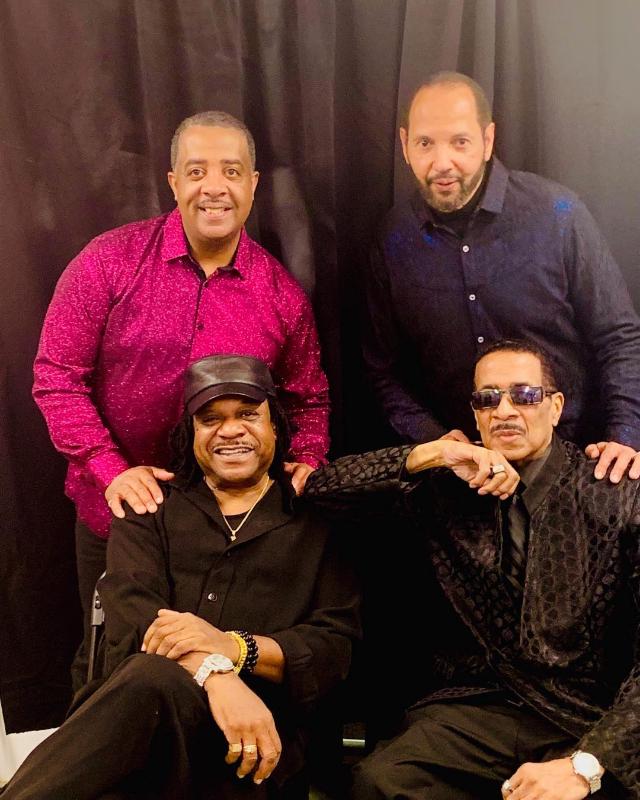
A near-fatal car accident in 1990 left Ted Mills unable to perform for several years. Blue Magic continued to perform in assorted configurations -- with Rod Wayne in place of Mills -- but the five original members reunited in 2017 to film an episode of TV One's Unsung series. (Wayne died a year earlier.) Assorted Blue Magic lineups performed and recorded over the next few years, releasing Your Spell Stayed on My Mind in 2019 and Share a Dream in 2020. Mills maintained a solo career and teamed with Russell Thompkins, Jr. (the Stylistics) and William Hart (the Delfonics) as the 3 Tenors of Soul. Richard Pratt, who had been leading another version of Blue Magic, died in 2022. Keith "Duke" Beaton died in 2023. In 2024, the group's first six albums and contemporaneous singles were bundled together under the title Stop to Start: The ATCO & WMOT Recordings 1973-1977. ~ Andy Kellman, Rovi
Viberate is a music analytics platform built for A&Rs, artist managers, labels, booking agents, marketers, and artists.
It helps music professionals track artist growth, analyze audience data, monitor playlist activity, compare artists, follow song performance, and identify opportunities across the music market.
Public artist pages provide a free preview of selected artist data. Paid plans provide access to deeper analytics, historical data, charts, comparisons, playlist tools, exports, alerts, reports, and additional professional features.
Yes. Public Viberate artist pages provide selected artist analytics and music data for free.
Viberate also offers a 7-day free trial of the full platform. A credit card is required to start the trial. The trial includes access to the complete product so users can test deeper artist analytics, historical views, playlist insights, comparisons, charts, exports, alerts, and reporting features before choosing a paid plan.
Viberate provides artist analytics across streaming, playlists, social media, video, radio airplay, songs, and audience markets.
Users can analyze Spotify performance, Spotify and Apple Music playlists, YouTube activity, TikTok and Instagram growth, radio spins, song performance, audience locations, demographics, rankings, and overall artist momentum.
Artist profiles also connect to music charts, similar artists, and comparison tools, helping users benchmark performance and evaluate artists in context.
Viberate updates key artist and track data daily.
For followed artists and tracks, selected data is refreshed multiple times per day. This helps teams monitor playlist changes, streaming movement, audience growth, releases, and campaign performance with more current data.
Update frequency can vary depending on the metric and data source.
Yes. Viberate lets users compare up to five artists side by side across streaming, social media, audience, and engagement metrics.
Users can compare fanbase growth, audience demographics, locations, Spotify performance, social metrics, and other artist data over selected time periods.
Artist comparison can be used for A&R scouting, benchmarking, booking decisions, campaign planning, and evaluating artists with similar audiences or market positions.