Erick Sermon

Hip Hop
Contemporary Hip Hop
 Viberate Rank: 21775
 Viberate Rank: 21775
 Monthly ListenersFollowers
 Subscribers
 Followers
 Followers
 FansTop Spotify Songs
| Track | 7-Day Streams | |
|---|---|---|
1 | 114.53K | |
2 | 75.96K | |
3 | 49.53K | |
4 | 15.14K | |
5 | 11.34K |
Top YouTube Videos| Video | 7-Day Views | |
|---|---|---|
1 | 25.28K | |
2 | 21.71K | |
3 | 20.62K | |
4 | 9.14K | |
5 | 6.21K |
Monthly ListenersFeatured in Playlists| Playlist | Followers | |
|---|---|---|
1 |  Old School Hip Hop Filtr Sweden | 779.30K |
2 |  66 GREENE _BY.ALEXANDER | 395.13K |
3 |  This Is Marvin Gaye Spotify | 311.86K |
4 |  This Is Wu-Tang Clan Spotify | 266.03K |
5 |  Def Jam 40 - 40 Forward Def Jam Recordings | 255.96K |
Audience| City | Monthly Listeners | |
|---|---|---|
1 | | 11.00K |
2 |  | 9.98K |
3 | | 7.67K |
4 |  | 6.28K |
5 | | 6.02K |
See full performance history, audience data, playlist activity, rankings, comparisons, and more in Viberate music analytics. Start with a free trial, then continue with a paid plan.
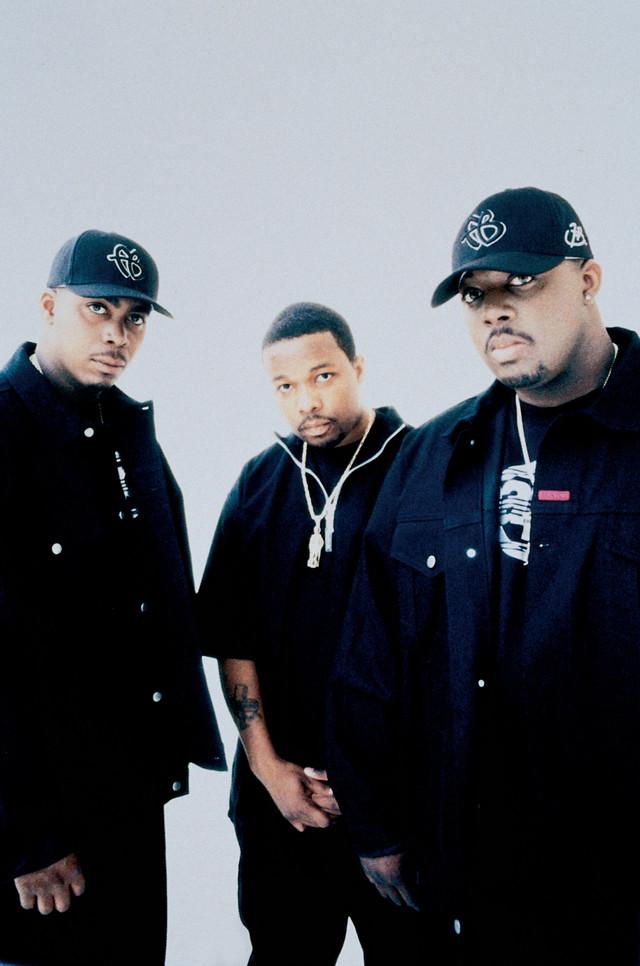
Erick Sermon’s Spotify BioErick Sermon, also known as "The Green-Eyed Bandit," is a prolific American rapper, musician, and record producer. He first rose to prominence in the late 1980s as one-half of the legendary hip-hop duo EPMD.
Erick's musical journey began with EPMD, which stands for "Erick and Parrish Making Dollars." Their debut album, "Strictly Business," released in 1988, was a hit and is still hailed as a classic. In 1993, Sermon embarked on a solo career and released his debut solo album, "No Pressure". His solo career was marked by a series of successful albums, including "Double or Nothing", "Erick Onasis", and "Music" which featured guest artists like Marvin Gaye and Redman.
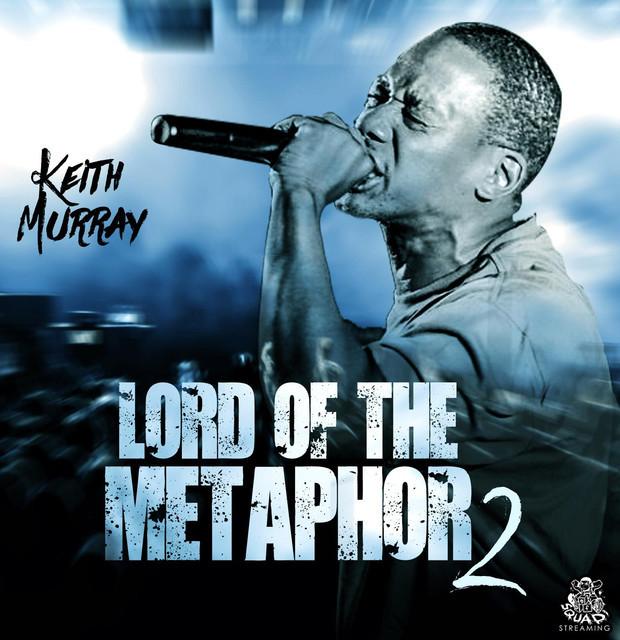
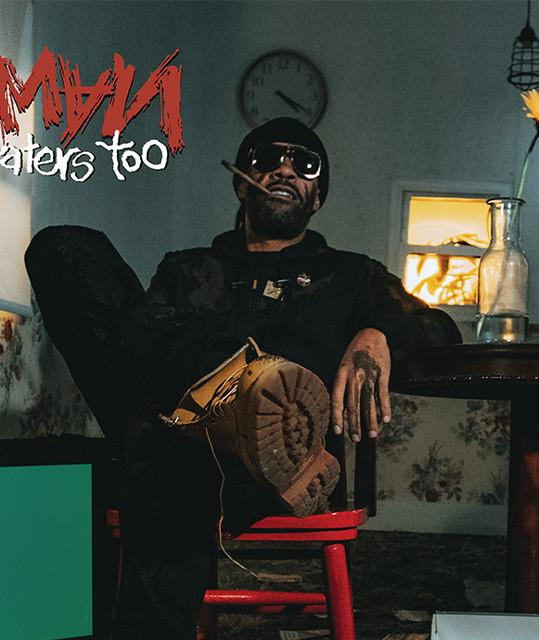
Apart from being a successful rapper, Sermon is also an accomplished record producer. He is the founder of the Def Squad production team, which has produced hits for various artists like Redman, Method Man, and Keith Murray. His innovative production style, characterized by funky beats and soulful samples, has had a… significant influence on the hip-hop genre. His music has been sampled by the likes of Justin Bieber, Jodeci, and Drake. EPMD is noted as the most sampled group in Hip-Hop.
Over his career, Sermon has received several accolades and has been recognized for his immense contribution to the hip-hop industry. A career spanning over three decades, Erick Sermon's passion for music remains undiminished, cementing his legacy as a vital force in hip-hop.
Viberate is a music analytics platform built for A&Rs, artist managers, labels, booking agents, marketers, and artists.
It helps music professionals track artist growth, analyze audience data, monitor playlist activity, compare artists, follow song performance, and identify opportunities across the music market.
Public artist pages provide a free preview of selected artist data. Paid plans provide access to deeper analytics, historical data, charts, comparisons, playlist tools, exports, alerts, reports, and additional professional features.
Yes. Public Viberate artist pages provide selected artist analytics and music data for free.
Viberate also offers a 7-day free trial of the full platform. A credit card is required to start the trial. The trial includes access to the complete product so users can test deeper artist analytics, historical views, playlist insights, comparisons, charts, exports, alerts, and reporting features before choosing a paid plan.
Viberate provides artist analytics across streaming, playlists, social media, video, radio airplay, songs, and audience markets.
Users can analyze Spotify performance, Spotify and Apple Music playlists, YouTube activity, TikTok and Instagram growth, radio spins, song performance, audience locations, demographics, rankings, and overall artist momentum.
Artist profiles also connect to music charts, similar artists, and comparison tools, helping users benchmark performance and evaluate artists in context.
Viberate updates key artist and track data daily.
For followed artists and tracks, selected data is refreshed multiple times per day. This helps teams monitor playlist changes, streaming movement, audience growth, releases, and campaign performance with more current data.
Update frequency can vary depending on the metric and data source.
Yes. Viberate lets users compare up to five artists side by side across streaming, social media, audience, and engagement metrics.
Users can compare fanbase growth, audience demographics, locations, Spotify performance, social metrics, and other artist data over selected time periods.
Artist comparison can be used for A&R scouting, benchmarking, booking decisions, campaign planning, and evaluating artists with similar audiences or market positions.