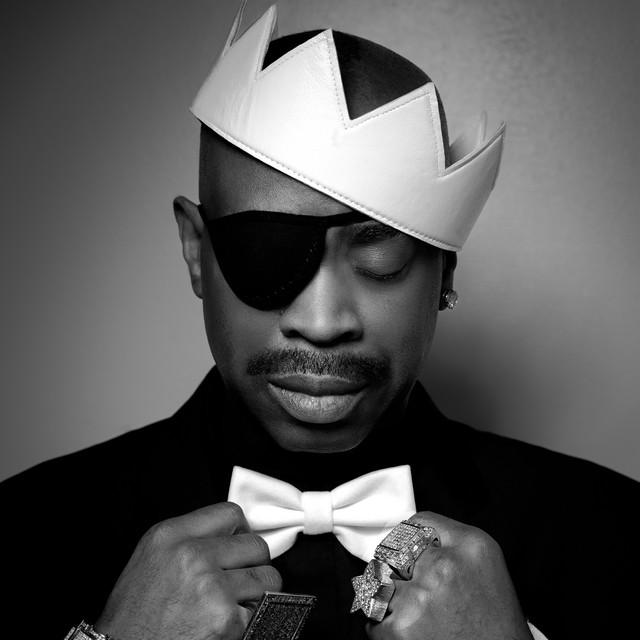
Slick Rick

Hip Hop
Contemporary Hip Hop
 Viberate Rank: 9945
 Viberate Rank: 9945
 Monthly ListenersFollowers
 Subscribers
 Followers
 Followers
 FansTop Spotify Songs
| Track | 7-Day Streams | |
|---|---|---|
1 | 247.46K | |
2 | 139.31K | |
3 | 46.70K | |
4 | 33.02K | |
5 | 23.42K |
Top YouTube Videos| Video | 7-Day Views | |
|---|---|---|
1 | 95.57K | |
2 | 22.72K | |
3 | 11.61K | |
4 | 8.15K | |
5 | 7.96K |
Monthly ListenersFeatured in Playlists| Playlist | Followers | |
|---|---|---|
1 |  Old School Hip Hop Filtr Sweden | 779.30K |
2 |  I Love My '80s Hip-Hop Spotify | 459.54K |
3 | 90’s & 2000’s Hip Hop Bangers Johnny Thunder | 272.59K |
4 |  Best Hip Hop Hits Mega Hits | 257.98K |
5 |  GTA San Andreas Radio Low Fidelity | 252.20K |
Audience| City | Monthly Listeners | |
|---|---|---|
1 | | 23.48K |
2 | | 19.09K |
3 |  | 18.29K |
4 | | 15.35K |
5 | | 12.58K |
See full performance history, audience data, playlist activity, rankings, comparisons, and more in Viberate music analytics. Start with a free trial, then continue with a paid plan.
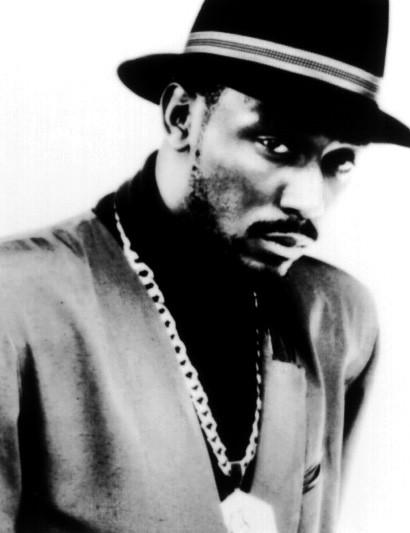
Slick Rick’s Spotify BioOne of early hip-hop's foremost storytellers, Slick Rick's effortless charisma and thoughtful lyrical perspectives made him a god-like figure in rap's development. Approaching the nascent artform of hip-hop with not just unique talent but a specific sense of style and presentation, the rapper established himself as an enigmatic emcee with his 1988 debut The Great Adventures of Slick Rick. The album was a platinum success and would be looked to for both inspiration, reworkings, or sample fodder by generations of artists to come. Slick Rick's career couldn't even be disrupted by legal troubles -- two of his four studio albums were released while he was serving time on Riker's Island for attempted murder.
Born to Jamaican parents in South Wimbledon, London, on January 14, 1965, Ricky Walters was blinded by broken glass as an infant and took to wearing an eyepatch from an early age. He emigrated with his family to the Bronx in the late '70s and attended LaGuardia High School of Music & Art,… where he became friends with future rapper Dana Dane. The two formed the Kangol Crew, and began performing in hip-hop battles around the city. At one 1984 battle in the Bronx, Rick met Doug E. Fresh, and began playing with his Get Fresh Crew (which also included Chill Will and Barry Bee). Fresh's number four R&B hit, "The Show," exploded just one year later, and MC Ricky D. -- as Rick was then known -- leaped into a solo contract two years later, after an acquaintance with Russell Simmons led to his signing to Def Jam Records, the biggest label in hip-hop at the time.
Slick Rick released his debut record, The Great Adventures of Slick Rick, in November of 1988. Ultimately, the album would sell over a million copies and come to be recognized as a classic rap album, but it wasn’t an immediate hit at the time of its release. "Treat Her like a Prostitute" became a sensation on the streets but R&B radio stations were understandably reluctant to play the track; instead, they pushed his duet with Al B. Sure!, "If I'm Not Your Lover," and it made number two in 1989. Singles from the album, "Children's Story" and “Teenage Love,” brought more attention to Slick Rick’s casual flow and delivery of rhymes with a distinctively British accent, and both became charting successes. The album spent much of the summer of 1989 at number one on the Billboard hip-hop/R&B charts and climbed as high as number 31 on the top 200.
In 1990, Slick Rick was arrested after shooting at Mark Plummer, a cousin of his who had worked as Rick’s bodyguard before being let go for trying to extort money from the rapper. No one was seriously hurt in the shooting, but the rapper pled guilty to charges of attempted murder. Before his sentencing, 21 songs were recorded and hastily released as sophomore album The Ruler's Back. The album failed to move at all, though Rick's confession track "I Shouldn't Have Done It" scraped the R&B charts later in 1991. His third album, 1994’s appropriately titled Behind Bars was recorded while out on a work release program, but also saw lackluster sales. Rick was freed from prison in 1997 and set about working on what would be his 1999 comeback album, The Art of Storytelling. The sprawling album featured a crop of guests who had been following in Slick Rick’s footsteps, including Nas, Snoop Dogg, Redman, and OutKast. The album would be his highest charting album, cracking the Billboard Top 10.
While performing live on a Florida cruise ship in the summer of 2002, INS officials seized the rapper and brought him to a prison. Although the organization had unsuccessfully been trying to deport Rick since 1991, they finally appealed enough times to get the Board of Immigration Appeals to make a ruling in favor of sending him back to England. Although his wife, children, and parents are all American citizens, the fact that Rick was born in England was enough of a technicality to warrant his deportation. The situation was even more frustrating because of the INS's insistence on deporting the rapper -- spending more than ten years trying to send him back despite the ridiculous circumstances surrounding the situation. His parents had lived in London because of their jobs, and moved him back to the United States at the age of 11. He had never bothered to change his citizenship because of the young age at which he had been relocated. Held in prison through the end of the year, famous friends like Russell Simmons and Will Smith attempted to help his cause but he was continually refused bail. It wouldn't be until years later, in April of 2016, that he was finally granted U.S. citizenship. By that time, Slick Rick had become one of the most sampled artists in history, with hits by Kanye West, Miley Cyrus, TLC, Eminem, and many, many others all based off of source material from his catalog of classics. In 2019 the rapper began releasing new music for the first time in decades, issuing a pair of singles that found him flowing conversationally over brief, simplistic ‘70s soul samples. Both songs, “Midas Touch” and “Can’t Dance to a Track That Ain’t Got No Soul,” were released in the summer of that year and found Rick rhyming over loops of soul classics from Lyn Collins and Funkadelic. ~ John Bush, Rovi
Viberate is a music analytics platform built for A&Rs, artist managers, labels, booking agents, marketers, and artists.
It helps music professionals track artist growth, analyze audience data, monitor playlist activity, compare artists, follow song performance, and identify opportunities across the music market.
Public artist pages provide a free preview of selected artist data. Paid plans provide access to deeper analytics, historical data, charts, comparisons, playlist tools, exports, alerts, reports, and additional professional features.
Yes. Public Viberate artist pages provide selected artist analytics and music data for free.
Viberate also offers a 7-day free trial of the full platform. A credit card is required to start the trial. The trial includes access to the complete product so users can test deeper artist analytics, historical views, playlist insights, comparisons, charts, exports, alerts, and reporting features before choosing a paid plan.
Viberate provides artist analytics across streaming, playlists, social media, video, radio airplay, songs, and audience markets.
Users can analyze Spotify performance, Spotify and Apple Music playlists, YouTube activity, TikTok and Instagram growth, radio spins, song performance, audience locations, demographics, rankings, and overall artist momentum.
Artist profiles also connect to music charts, similar artists, and comparison tools, helping users benchmark performance and evaluate artists in context.
Viberate updates key artist and track data daily.
For followed artists and tracks, selected data is refreshed multiple times per day. This helps teams monitor playlist changes, streaming movement, audience growth, releases, and campaign performance with more current data.
Update frequency can vary depending on the metric and data source.
Yes. Viberate lets users compare up to five artists side by side across streaming, social media, audience, and engagement metrics.
Users can compare fanbase growth, audience demographics, locations, Spotify performance, social metrics, and other artist data over selected time periods.
Artist comparison can be used for A&R scouting, benchmarking, booking decisions, campaign planning, and evaluating artists with similar audiences or market positions.