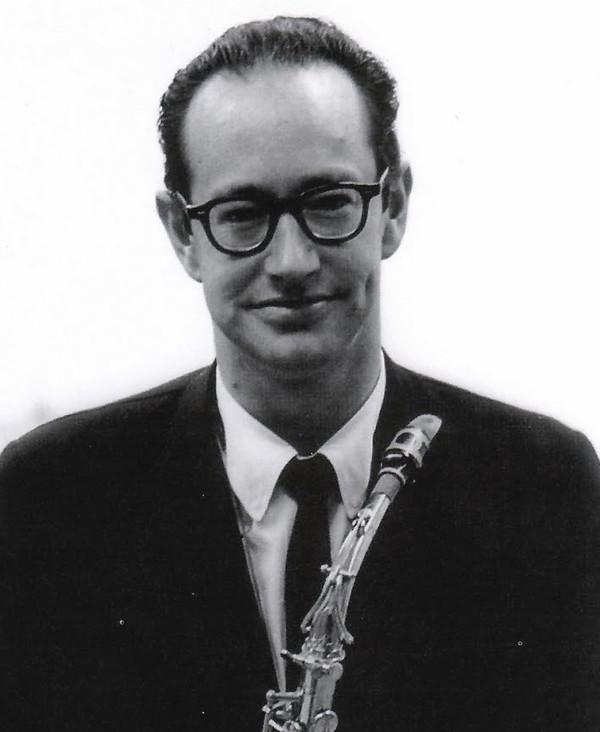
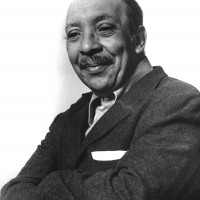
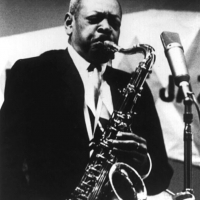
Bob Brookmeyer

Jazz
Smooth Jazz
Avant-garde Jazz
 Viberate Rank: 94291
 Viberate Rank: 94291
 Monthly ListenersFollowers
 Subscribers
 Followers
 Followers
 FansTop Spotify Songs
| Track | 7-Day Streams | |
|---|---|---|
1 | 153.96K | |
2 | 44.32K | |
3 | 4.71K | |
4 | 4.29K | |
5 | 3.11K |
Top YouTube VideosMonthly ListenersFeatured in Playlists| Playlist | Followers | |
|---|---|---|
1 |  Jazz Classics Spotify | 5.08M |
2 |  66 GREENE _BY.ALEXANDER | 395.13K |
3 |  Jazz Meets Classical Spotify | 321.57K |
4 |  Dark Academia Jazz Spotify | 282.77K |
5 |  Instrumental Jazz Standards Spotify | 184.09K |
Audience| City | Monthly Listeners | |
|---|---|---|
1 | | 7.54K |
2 | | 6.01K |
3 |  | 5.60K |
4 | | 4.99K |
5 | | 4.55K |
See full performance history, audience data, playlist activity, rankings, comparisons, and more in Viberate music analytics. Start with a free trial, then continue with a paid plan.
Bob Brookmeyer’s Spotify BioBob Brookmeyer was long considered one of the top valve trombonists in jazz and a very advanced arranger whose writing was influenced by modern classical music. He started out as a pianist in dance bands but played valve trombone with Stan Getz (1953). He gained fame as a member of the Gerry Mulligan quartet (1954-1957), was part of the unusual Jimmy Giuffre Three of 1957-1958 (which consisted of Giuffre's reeds, Brookmeyer's valve trombone, and Jim Hall's guitar), and then re-joined Mulligan as arranger and occasional player with his Concert Jazz Band. Brookmeyer, who was a strong enough pianist to hold his own on a two-piano date with Bill Evans, occasionally switched to piano with Mulligan. He co-led a part-time quintet with Clark Terry (1961-1966), was an original member of the Thad Jones/Mel Lewis orchestra (1965-1967), and became a busy studio musician. Brookmeyer was fairly inactive during much of the '70s, but made a comeback in the late '70s with some very advanced… arrangements for the Mel Lewis band (of which he became musical director for a time). Brookmeyer moved to Europe, where he continually wrote and occasionally recorded on his distinctive valve trombone, issuing Old Friends in 1998. New Works Celebration appeared a year later, and in 2000 he issued Together. Brookmeyer continued to perform and release albums through the next decade, often working with his European big band The New Art Orchestra including 2002's Waltzing with Zoe, 2004's Get Well Soon, and 2007's Spirit Music. In 2008, he explored his deep interest in classical music with Music for String Quartet and Orchestra. He wrote innovative big-band compositions and was highly regarded as a teacher: his classes at the New England Conservatory of Music are the stuff of legend. On December 15, 2011, Brookmeyer died in his sleep at a hospital near his home in Grantham, New Hampshire; the cause was congestive heart failure. He passed just a month after releasing the album Standards via the ArtistShare website, and only three days shy of his 82nd birthday. ~ Scott Yanow, Rovi
Viberate is a music analytics platform built for A&Rs, artist managers, labels, booking agents, marketers, and artists.
It helps music professionals track artist growth, analyze audience data, monitor playlist activity, compare artists, follow song performance, and identify opportunities across the music market.
Public artist pages provide a free preview of selected artist data. Paid plans provide access to deeper analytics, historical data, charts, comparisons, playlist tools, exports, alerts, reports, and additional professional features.
Yes. Public Viberate artist pages provide selected artist analytics and music data for free.
Viberate also offers a 7-day free trial of the full platform. A credit card is required to start the trial. The trial includes access to the complete product so users can test deeper artist analytics, historical views, playlist insights, comparisons, charts, exports, alerts, and reporting features before choosing a paid plan.
Viberate provides artist analytics across streaming, playlists, social media, video, radio airplay, songs, and audience markets.
Users can analyze Spotify performance, Spotify and Apple Music playlists, YouTube activity, TikTok and Instagram growth, radio spins, song performance, audience locations, demographics, rankings, and overall artist momentum.
Artist profiles also connect to music charts, similar artists, and comparison tools, helping users benchmark performance and evaluate artists in context.
Viberate updates key artist and track data daily.
For followed artists and tracks, selected data is refreshed multiple times per day. This helps teams monitor playlist changes, streaming movement, audience growth, releases, and campaign performance with more current data.
Update frequency can vary depending on the metric and data source.
Yes. Viberate lets users compare up to five artists side by side across streaming, social media, audience, and engagement metrics.
Users can compare fanbase growth, audience demographics, locations, Spotify performance, social metrics, and other artist data over selected time periods.
Artist comparison can be used for A&R scouting, benchmarking, booking decisions, campaign planning, and evaluating artists with similar audiences or market positions.