Red Norvo

Jazz
Swing
 Viberate Rank: 148017
 Viberate Rank: 148017
 Monthly ListenersFollowers
 Subscribers
 Followers
 Followers
 FansTop Spotify Songs
| Track | 7-Day Streams | |
|---|---|---|
1 | 24.24K | |
2 | 10.79K | |
3 | 10.79K | |
4 | 4.50K | |
5 | 4.27K |
Top YouTube VideosMonthly ListenersFeatured in Playlists| Playlist | Followers | |
|---|---|---|
1 |  Women of Jazz Spotify | 865.68K |
2 | JAZZ/BLUES Bowerbird & Friends | 81.78K |
3 |  Disney Parks: Background Music j3shafer | 24.42K |
4 | 1940s Ben Hughes | 19.93K |
5 |  1930s, 1940s Pop Songs Jeff Lyons | 17.97K |
Audience| City | Monthly Listeners | |
|---|---|---|
1 | | 114 |
2 | | 101 |
3 |  | 75 |
4 | | 72 |
5 |  | 64 |
See full performance history, audience data, playlist activity, rankings, comparisons, and more in Viberate music analytics. Start with a free trial, then continue with a paid plan.
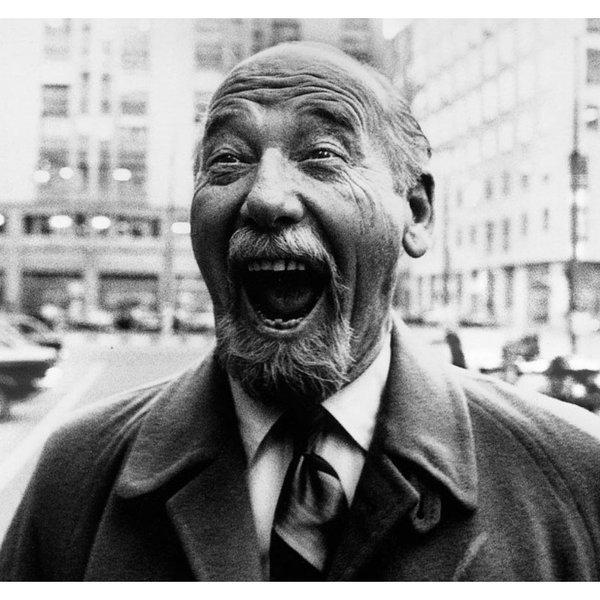
Red Norvo’s Spotify BioRed Norvo was an unusual star during the swing era, playing jazz xylophone. After he switched to vibes in 1943, Norvo had a quieter yet no-less fluent style than Lionel Hampton. Although no match for Hampton popularity-wise, Norvo and his wife, singer Mildred Bailey, did become known as "Mr. and Mrs. Swing."
Red Norvo had a long and interesting career. He started on marimba when he was 14 and soon switched to xylophone. Active in vaudeville in the late '20s as a tap dancer, Norvo joined Paul Whiteman's orchestra in the early '30s (meeting and marrying Mildred Bailey). He recorded some extraordinary sides in the early to mid-'30s that showed off his virtuosity and imagination; two numbers (the atmospheric "Dance of the Octopus" and "In a Mist") had Benny Goodman playing bass clarinet, remarkably. Norvo led his own band during 1936-1944 which, with its Eddie Sauter arrangements (particularly in the early days), had a unique ensemble sound that made it possible for one to hear the leader's… xylophone. In 1944, Norvo (who by then had switched permanently to vibes) broke up his band and joined Benny Goodman's Sextet. Through recordings and appearances, he showed that his style was quite adaptable and open to bop. Norvo welcomed Charlie Parker and Dizzy Gillespie to a 1945 record date, was part of Woody Herman's riotous first Herd in 1946, and recorded with Stan Hasselgard in 1948. At the beginning of the 1950s, Norvo put together an unusual trio with guitarist Tal Farlow (later Jimmy Raney) and bassist Charles Mingus (later Red Mitchell). The light yet often speedy unisons and telepathic interplay by the musicians was quite memorable. Norvo led larger groups later in the decade, had reunions with Benny Goodman, and made many fine recordings. The 1960s found Red Norvo adopting a lower profile after he had a serious ear operation in 1961. He worked with the Newport All-Stars later in the decade, and from the mid-'70s to the mid-'80s was once again quite active, making several excellent recordings. However, his hearing eventually worsened and a serious stroke put Red Norvo out of action altogether after 55 years of music. He died on April 6, 1999, at the age of 91. ~ Scott Yanow, Rovi
Viberate is a music analytics platform built for A&Rs, artist managers, labels, booking agents, marketers, and artists.
It helps music professionals track artist growth, analyze audience data, monitor playlist activity, compare artists, follow song performance, and identify opportunities across the music market.
Public artist pages provide a free preview of selected artist data. Paid plans provide access to deeper analytics, historical data, charts, comparisons, playlist tools, exports, alerts, reports, and additional professional features.
Yes. Public Viberate artist pages provide selected artist analytics and music data for free.
Viberate also offers a 7-day free trial of the full platform. A credit card is required to start the trial. The trial includes access to the complete product so users can test deeper artist analytics, historical views, playlist insights, comparisons, charts, exports, alerts, and reporting features before choosing a paid plan.
Viberate provides artist analytics across streaming, playlists, social media, video, radio airplay, songs, and audience markets.
Users can analyze Spotify performance, Spotify and Apple Music playlists, YouTube activity, TikTok and Instagram growth, radio spins, song performance, audience locations, demographics, rankings, and overall artist momentum.
Artist profiles also connect to music charts, similar artists, and comparison tools, helping users benchmark performance and evaluate artists in context.
Viberate updates key artist and track data daily.
For followed artists and tracks, selected data is refreshed multiple times per day. This helps teams monitor playlist changes, streaming movement, audience growth, releases, and campaign performance with more current data.
Update frequency can vary depending on the metric and data source.
Yes. Viberate lets users compare up to five artists side by side across streaming, social media, audience, and engagement metrics.
Users can compare fanbase growth, audience demographics, locations, Spotify performance, social metrics, and other artist data over selected time periods.
Artist comparison can be used for A&R scouting, benchmarking, booking decisions, campaign planning, and evaluating artists with similar audiences or market positions.