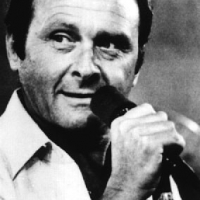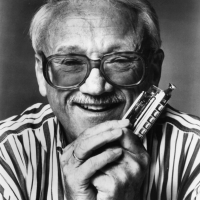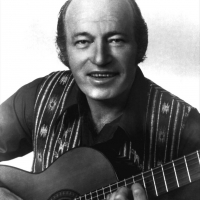
Charlie Byrd

Jazz
Latin Jazz
Bossa Nova
 Viberate Rank: 51464
 Viberate Rank: 51464
 Monthly ListenersFollowers
 Subscribers
 Followers
 Followers
 FansTop Spotify Songs
| Track | 7-Day Streams | |
|---|---|---|
1 | 86.93K | |
2 | 85.26K | |
3 | 78.68K | |
4 | 37.77K | |
5 | 28.00K |
Top YouTube VideosMonthly ListenersFeatured in Playlists| Playlist | Followers | |
|---|---|---|
1 |  Jazz Classics Spotify | 5.08M |
2 |  Feel Good Jazz Spotify | 549.61K |
3 |  Bossa Chill Spotify | 409.21K |
4 |  Bossa Nova Dinner 2026 🍷 bossanova music & covers Filtr Legacy Sweden | 190.04K |
5 | Classic Christmas Songs insaneboost | 177.20K |
Audience| City | Monthly Listeners | |
|---|---|---|
1 |  | 6.96K |
2 |  | 5.42K |
3 |  | 4.88K |
4 | | 4.31K |
5 |  | 4.12K |
See full performance history, audience data, playlist activity, rankings, comparisons, and more in Viberate music analytics. Start with a free trial, then continue with a paid plan.
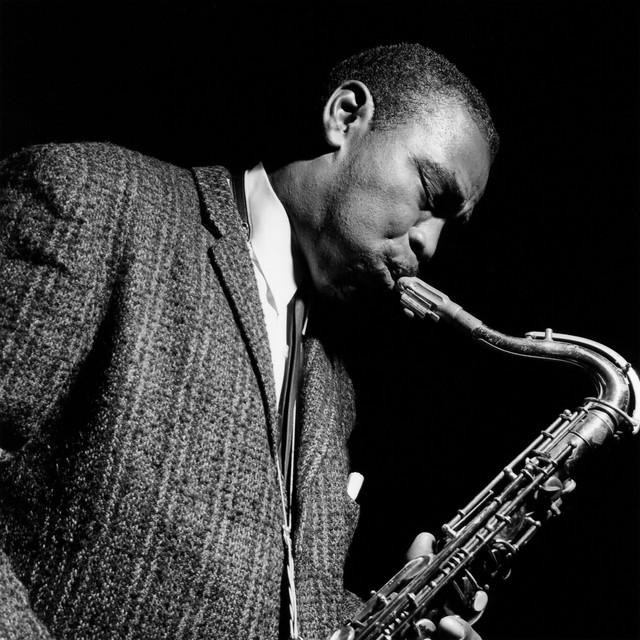
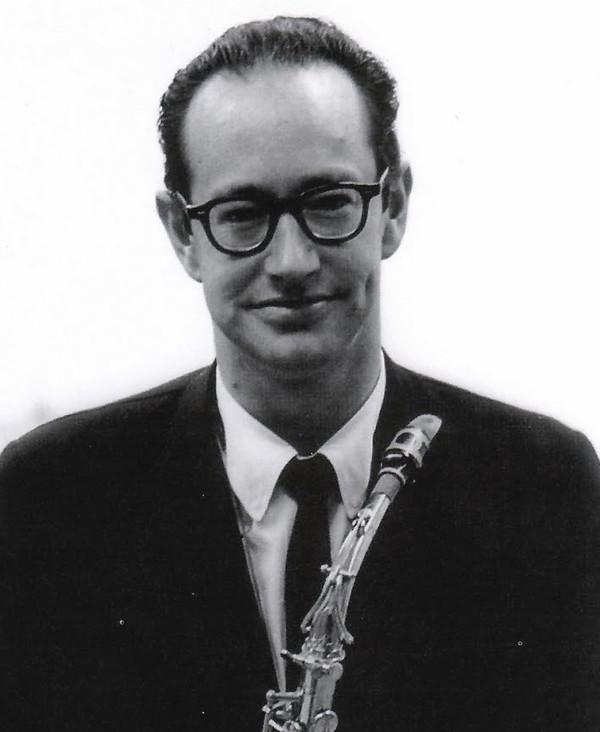
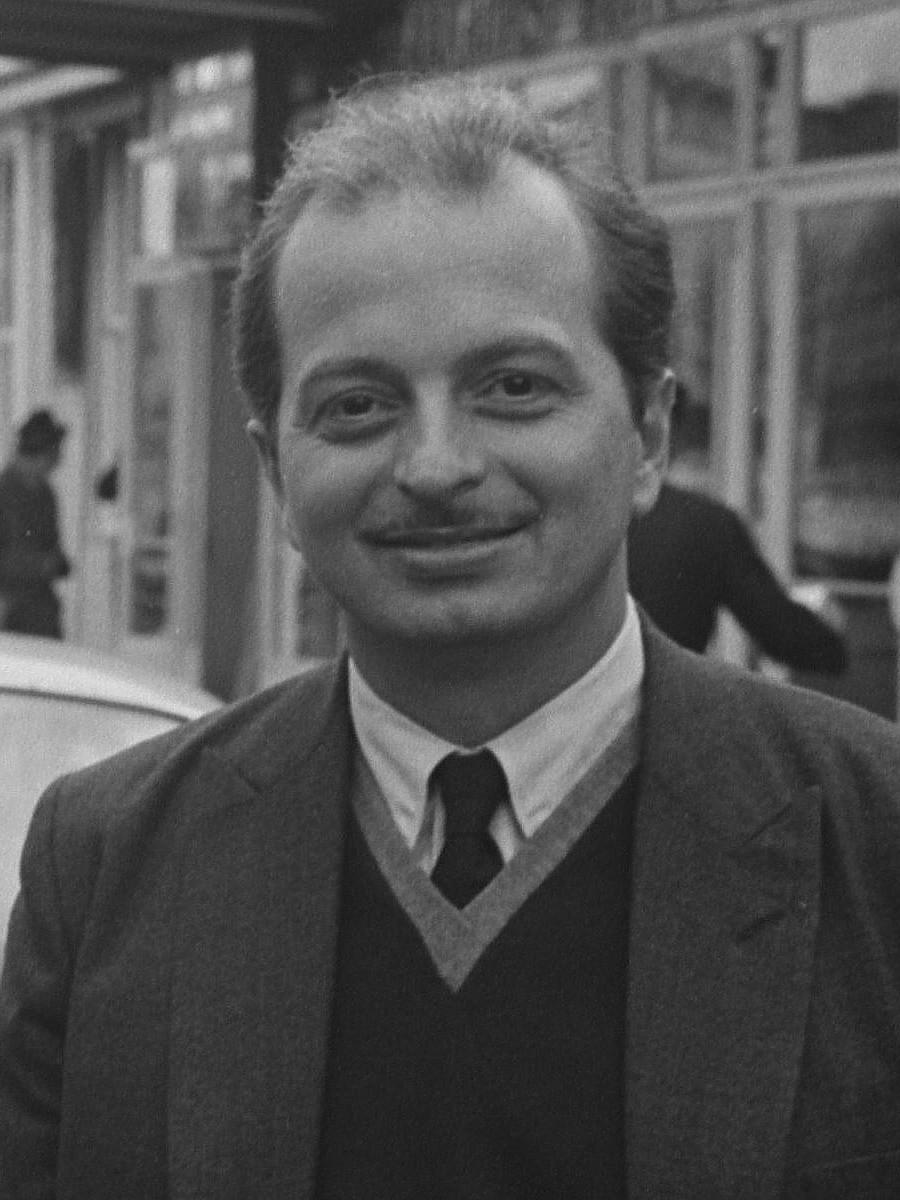
Charlie Byrd’s Spotify BioTasteful, low-key, and ingratiatingly melodic, Charlie Byrd had two notable accomplishments to his credit -- applying acoustic classical guitar techniques to jazz and popular music and helping to introduce Brazilian music to mass North American audiences. Born into a musical family, Byrd experienced his first brush with greatness while a teenager in France during World War II, playing with his idol Django Reinhardt. After some postwar gigs with Sol Yaged, Joe Marsala and Freddie Slack, Byrd temporarily abandoned jazz to study classical guitar with Sophocles Papas in 1950 and Andrés Segovia in 1954. However he re-emerged later in the decade gigging around the Washington D.C. area in jazz settings, often splitting his sets into distinct jazz and classical segments. He started recording for Savoy as a leader in 1957, and also recorded with the Woody Herman Band in 1958-59. A tour of South America under the aegis of the U.S. State Department in 1961, proved to be a revelation, for it was… in Brazil that Byrd discovered the emerging bossa nova movement. Once back in D.C., he played some bossa nova tapes to Stan Getz, who then convinced Verve's Creed Taylor to record an album of Brazilian music with himself and Byrd. That album, Jazz Samba, became a pop hit in 1962 on the strength of the single "Desafinado" and launched the bossa nova wave in North America. Thanks to the bossa nova, several albums for Riverside followed, including the defining Bossa Nova Pelos Passaros, and he was able to land a major contract with Columbia, though the records from that association often consisted of watered-down easy listening pop. In 1973, he formed the group Great Guitars with Herb Ellis and Barney Kessel and also that year, wrote an instruction manual for the guitar that has become widely used. From 1974 onward, Byrd recorded for the Concord Jazz label in a variety of settings, including sessions with Laurindo Almeida and Bud Shank. He died December 2, 1999 after a long bout with cancer. ~ Richard S. Ginell, Rovi
Viberate is a music analytics platform built for A&Rs, artist managers, labels, booking agents, marketers, and artists.
It helps music professionals track artist growth, analyze audience data, monitor playlist activity, compare artists, follow song performance, and identify opportunities across the music market.
Public artist pages provide a free preview of selected artist data. Paid plans provide access to deeper analytics, historical data, charts, comparisons, playlist tools, exports, alerts, reports, and additional professional features.
Yes. Public Viberate artist pages provide selected artist analytics and music data for free.
Viberate also offers a 7-day free trial of the full platform. A credit card is required to start the trial. The trial includes access to the complete product so users can test deeper artist analytics, historical views, playlist insights, comparisons, charts, exports, alerts, and reporting features before choosing a paid plan.
Viberate provides artist analytics across streaming, playlists, social media, video, radio airplay, songs, and audience markets.
Users can analyze Spotify performance, Spotify and Apple Music playlists, YouTube activity, TikTok and Instagram growth, radio spins, song performance, audience locations, demographics, rankings, and overall artist momentum.
Artist profiles also connect to music charts, similar artists, and comparison tools, helping users benchmark performance and evaluate artists in context.
Viberate updates key artist and track data daily.
For followed artists and tracks, selected data is refreshed multiple times per day. This helps teams monitor playlist changes, streaming movement, audience growth, releases, and campaign performance with more current data.
Update frequency can vary depending on the metric and data source.
Yes. Viberate lets users compare up to five artists side by side across streaming, social media, audience, and engagement metrics.
Users can compare fanbase growth, audience demographics, locations, Spotify performance, social metrics, and other artist data over selected time periods.
Artist comparison can be used for A&R scouting, benchmarking, booking decisions, campaign planning, and evaluating artists with similar audiences or market positions.