Herbie Mann

Jazz
Latin Jazz
 Viberate Rank: 73338
 Viberate Rank: 73338
 Monthly ListenersFollowers
 Subscribers
 Followers
 Followers
 FansTop Spotify Songs
| Track | 7-Day Streams | |
|---|---|---|
1 | 21.37K | |
2 | 19.26K | |
3 | 13.25K | |
4 | 9.61K | |
5 | 7.53K |
Top YouTube VideosMonthly ListenersFeatured in Playlists| Playlist | Followers | |
|---|---|---|
1 |  Jazz Classics Spotify | 5.08M |
2 |  Latin Jazz Spotify | 513.12K |
3 |  Just Jazz Spotify | 173.67K |
4 |  This Is Antônio Carlos Jobim Spotify | 81.86K |
5 |  70's Funky Jazz Fusion FunkPimp72 | 70.79K |
Audience| City | Monthly Listeners | |
|---|---|---|
1 |  | 16.19K |
2 | | 8.32K |
3 | | 4.03K |
4 | | 3.55K |
5 |  | 3.16K |
See full performance history, audience data, playlist activity, rankings, comparisons, and more in Viberate music analytics. Start with a free trial, then continue with a paid plan.
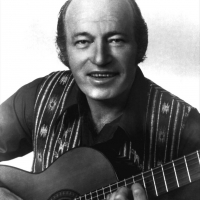
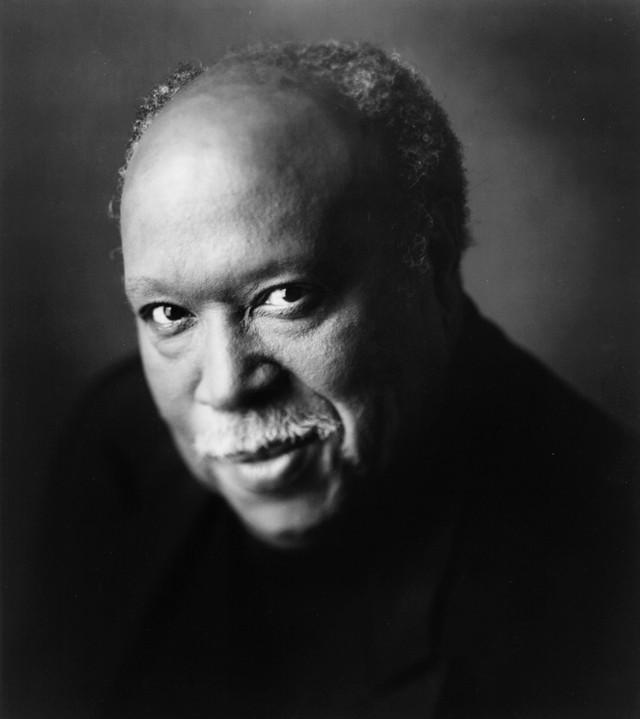
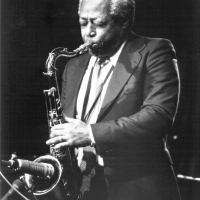
Herbie Mann’s Spotify BioHerbie Mann played a wide variety of music throughout his career. He became quite popular in the 1960s, but in the '70s became so immersed in pop and various types of world music that he seemed lost to jazz. However, Mann never lost his ability to improvise creatively as his later recordings attest.
Herbie Mann began on clarinet when he was nine but was soon also playing flute and tenor. After serving in the Army, he was with Mat Mathews' Quintet (1953-1954) and then started working and recording as a leader. During 1954-1958 Mann stuck mostly to playing bop, sometimes collaborating with such players as Phil Woods, Buddy Collette, Sam Most, Bobby Jaspar, and Charlie Rouse. He doubled on cool-toned tenor and was one of the few jazz musicians in the '50s who recorded on bass clarinet; he also recorded a full album in 1957 (for Savoy) of unaccompanied flute.
After spending time playing and writing music for television, Mann formed his Afro-Jazz Sextet, in 1959, a group using several… percussionists, vibes (either Johnny Rae, Hagood Hardy, or Dave Pike) and the leader's flute. He toured Africa (1960) and Brazil (1961), had a hit with "Comin' Home Baby," and recorded with Bill Evans. The most popular jazz flutist during the era, Mann explored bossa nova (even recording in Brazil in 1962), incorporated music from many cultures (plus current pop tunes) into his repertoire, and had among his sidemen such top young musicians as Willie Bobo, Chick Corea (1965), Attila Zoller, and Roy Ayers; at the 1972 Newport Festival his sextet included David Newman and Sonny Sharrock. By then Mann had been a producer at Embroyo (a subsidiary of Atlantic) for three years and was frequently stretching his music outside of jazz. As the '70s advanced, Mann became much more involved in rock, pop, reggae, and even disco. After leaving Atlantic at the end of the '70s, Mann had his own label for awhile and gradually came back to jazz. He recorded for Chesky, made a record with Dave Valentin, and in the '90s founded the Kokopelli label on which before breaking away in 1996, he was free to pursue his wide range of musical interests. Through the years, he recorded as a leader for Bethlehem, Prestige, Epic, Riverside, Savoy, Mode, New Jazz, Chesky, Kokopelli, and most significantly Atlantic. He passed away on July 1, 2003, following an extended battle with prostate cancer. His last record was 2004's posthumously released Beyond Brooklyn for Telarc. ~ Scott Yanow, Rovi
Viberate is a music analytics platform built for A&Rs, artist managers, labels, booking agents, marketers, and artists.
It helps music professionals track artist growth, analyze audience data, monitor playlist activity, compare artists, follow song performance, and identify opportunities across the music market.
Public artist pages provide a free preview of selected artist data. Paid plans provide access to deeper analytics, historical data, charts, comparisons, playlist tools, exports, alerts, reports, and additional professional features.
Yes. Public Viberate artist pages provide selected artist analytics and music data for free.
Viberate also offers a 7-day free trial of the full platform. A credit card is required to start the trial. The trial includes access to the complete product so users can test deeper artist analytics, historical views, playlist insights, comparisons, charts, exports, alerts, and reporting features before choosing a paid plan.
Viberate provides artist analytics across streaming, playlists, social media, video, radio airplay, songs, and audience markets.
Users can analyze Spotify performance, Spotify and Apple Music playlists, YouTube activity, TikTok and Instagram growth, radio spins, song performance, audience locations, demographics, rankings, and overall artist momentum.
Artist profiles also connect to music charts, similar artists, and comparison tools, helping users benchmark performance and evaluate artists in context.
Viberate updates key artist and track data daily.
For followed artists and tracks, selected data is refreshed multiple times per day. This helps teams monitor playlist changes, streaming movement, audience growth, releases, and campaign performance with more current data.
Update frequency can vary depending on the metric and data source.
Yes. Viberate lets users compare up to five artists side by side across streaming, social media, audience, and engagement metrics.
Users can compare fanbase growth, audience demographics, locations, Spotify performance, social metrics, and other artist data over selected time periods.
Artist comparison can be used for A&R scouting, benchmarking, booking decisions, campaign planning, and evaluating artists with similar audiences or market positions.