Ike Quebec

Jazz
Bebop
 Viberate Rank: 98482
 Viberate Rank: 98482
 Monthly ListenersFollowers
 Subscribers
 Followers
 Followers
 FansTop Spotify Songs
| Track | 7-Day Streams | |
|---|---|---|
1 | 67.84K | |
2 | 47.03K | |
3 | 29.81K | |
4 | 25.63K | |
5 | 24.84K |
Top YouTube VideosMonthly ListenersFeatured in Playlists| Playlist | Followers | |
|---|---|---|
1 |  Jazz Noir Spotify | 349.67K |
2 |  In the Mood for Jazz Spotify | 144.39K |
3 |  Bossa in the Background Spotify | 97.75K |
4 |  SWING BIG BAND polca don'ts | 87.91K |
5 |  Instrumental Jazz Valdemar Bille-Lauridsen | 45.25K |
Audience| City | Monthly Listeners | |
|---|---|---|
1 |  | 5.31K |
2 |  | 5.24K |
3 | | 4.89K |
4 |  | 4.59K |
5 | | 4.19K |
See full performance history, audience data, playlist activity, rankings, comparisons, and more in Viberate music analytics. Start with a free trial, then continue with a paid plan.
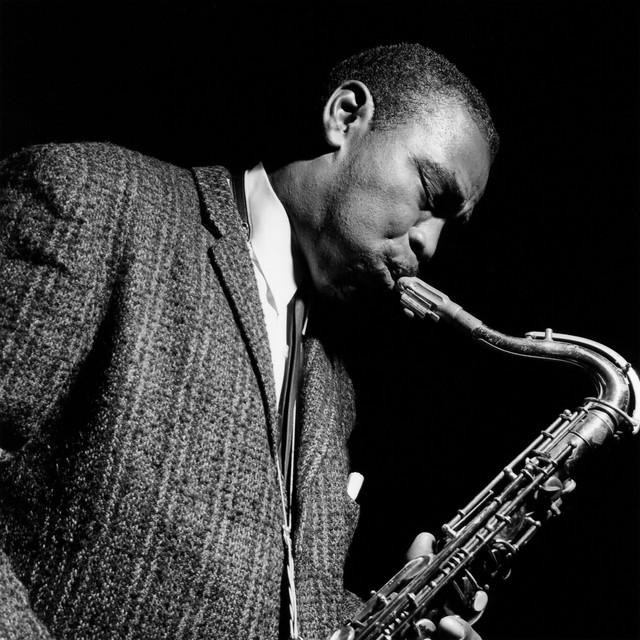
Ike Quebec’s Spotify BioInfluenced by Coleman Hawkins and Ben Webster but definitely his own person, Ike Quebec was one of the finest swing-oriented tenor saxman of the 1940s and '50s. Though he was never an innovator, Quebec had a big, breathy sound that was distinctive and easily recognizable, and he was quite consistent when it came to came to down-home blues, sexy ballads, and up-tempo aggression. Originally a pianist, Quebec switched to tenor in the early '40s and showed that he had made the right decision on excellent 78s for Blue Note and Savoy (including his hit "Blue Harlem"). As a sideman, he worked with Benny Carter, Kenny Clarke, Roy Eldridge, and Cab Calloway. In the late '40s, the saxman did a bit of freelancing behind the scenes as a Blue Note A&R man and brought Thelonious Monk and Bud Powell to the label. Drug problems kept Quebec from recording for most of the 1950s, but he made a triumphant comeback in the early '60s and was once again recording for Blue Note and doing freelance A&R for the… company. Quebec was playing as authoritatively as ever well into 1962, giving no indication that he was suffering from lung cancer, which claimed his life at the age of 44 in 1963. ~ Alex Henderson, Rovi
Viberate is a music analytics platform built for A&Rs, artist managers, labels, booking agents, marketers, and artists.
It helps music professionals track artist growth, analyze audience data, monitor playlist activity, compare artists, follow song performance, and identify opportunities across the music market.
Public artist pages provide a free preview of selected artist data. Paid plans provide access to deeper analytics, historical data, charts, comparisons, playlist tools, exports, alerts, reports, and additional professional features.
Yes. Public Viberate artist pages provide selected artist analytics and music data for free.
Viberate also offers a 7-day free trial of the full platform. A credit card is required to start the trial. The trial includes access to the complete product so users can test deeper artist analytics, historical views, playlist insights, comparisons, charts, exports, alerts, and reporting features before choosing a paid plan.
Viberate provides artist analytics across streaming, playlists, social media, video, radio airplay, songs, and audience markets.
Users can analyze Spotify performance, Spotify and Apple Music playlists, YouTube activity, TikTok and Instagram growth, radio spins, song performance, audience locations, demographics, rankings, and overall artist momentum.
Artist profiles also connect to music charts, similar artists, and comparison tools, helping users benchmark performance and evaluate artists in context.
Viberate updates key artist and track data daily.
For followed artists and tracks, selected data is refreshed multiple times per day. This helps teams monitor playlist changes, streaming movement, audience growth, releases, and campaign performance with more current data.
Update frequency can vary depending on the metric and data source.
Yes. Viberate lets users compare up to five artists side by side across streaming, social media, audience, and engagement metrics.
Users can compare fanbase growth, audience demographics, locations, Spotify performance, social metrics, and other artist data over selected time periods.
Artist comparison can be used for A&R scouting, benchmarking, booking decisions, campaign planning, and evaluating artists with similar audiences or market positions.