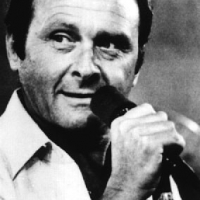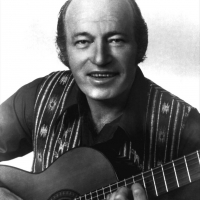
Luiz Bonfa

Latin
Other Latin Music
Bossa Nova
 Viberate Rank: 32037
 Viberate Rank: 32037
 Monthly ListenersFollowers
 Subscribers
 Followers
 Followers
 FansTop Spotify Songs
| Track | 7-Day Streams | |
|---|---|---|
1 | 137.23K | |
2 | 94.95K | |
3 | 80.73K | |
4 | 70.04K | |
5 | 37.98K |
Top YouTube VideosMonthly ListenersFeatured in Playlists| Playlist | Followers | |
|---|---|---|
1 |  Bossa Nova Spotify | 1.13M |
2 |  Cafezinho Spotify | 810.04K |
3 |  Bossa Nova Classics Spotify | 667.14K |
4 |  Bossa Chill Spotify | 408.97K |
5 |  Bossa Nova Dinner 2026 🍷 bossanova music & covers Filtr Legacy Sweden | 190.07K |
Audience| City | Monthly Listeners | |
|---|---|---|
1 | | 24.09K |
2 |  | 22.31K |
3 |  | 13.92K |
4 |  | 12.35K |
5 |  | 11.62K |
See full performance history, audience data, playlist activity, rankings, comparisons, and more in Viberate music analytics. Start with a free trial, then continue with a paid plan.
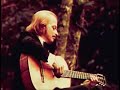
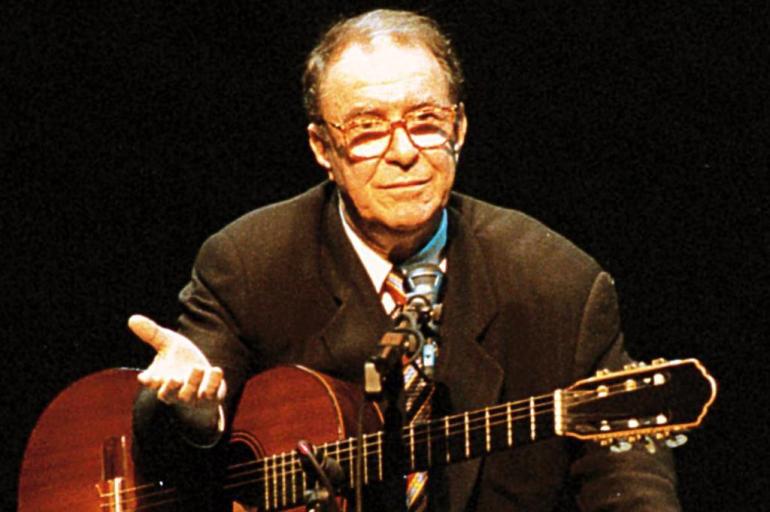
Luiz Bonfa’s Spotify BioAlthough overshadowed by the towering figure of Antonio Carlos Jobim and to a lesser extent by João Gilberto, Luiz Bonfá was right there at the birth of bossa nova as well. In fact, at least two of his songs, the haunting "Manha de Carnaval" and equally evocative "Samba de Orpheus" swept the world at least three years before Jobim's songs began to make a global impact, paving the way for the first Brazilian wave. In addition, Bonfá cultivated a delicate, precise classical guitar style, though more attuned to the traditional samba rhythm than the Gilberto/Jobim bossa nova lilt. Born near the bay of Guanabara in Rio -- his father was an Italian immigrant -- Bonfá took up the guitar at eleven and studied classical guitar with the Uruguayan master Isaias Savio. He began to work Rio's clubs as a singer with the Quitandinha Serenaders, and by 1946, he was appearing on Brazil's Radio Nacional. By 1957, Bonfa was beginning to split his time between New York City and Rio, touring the U.S. with… singer Mary Martin, as well as writing and recording Brazilian film scores. The turning point in his career came in 1959 when film director Marcel Camus asked Bonfá to contribute some songs to his film version of the play Orfeo do Carnaval (to be renamed Black Orpheus on the screen). The director originally rejected "Manha de Carnaval" as the film's main theme, but after coming up with what he felt was an inferior second effort, Bonfá fought for his first tune and got his way, and "Manha de Carnaval" became a global pop/jazz/folk standard. In the late '50s and '60s, Bonfá began recording several albums for the American market on EMI Odeon (Capitol), Dot, Atlantic, Cook, Philips, Epic, and Verve, and he and his songs appeared prominently on the Jazz Samba Encore album with Jobim and Stan Getz. His songwriting skills were in demand in the most unpredictable places; for example, he wrote the schmaltzy "Almost in Love" for Elvis Presley (included in the forgettable 1968 film Live a Little, Love a Little). Bonfá's profile in America virtually disappeared after the '60s, although he continued to tour and write, eventually cutting over 50 albums. But he resurfaced in U.S. CD shops after a 15-year gap in 1989 with Non-Stop to Brazil for Chesky, followed by the ravishing The Bonfá Magic in 1991 (released domestically on Milestone) and 1993's Moods on GSP. Also, the original soundtrack for Black Orpheus is available on a Verve CD, a firsthand snapshot of Bonfá and Jobim lighting the fuse for the world-wide Brazilian music explosion. On January 12, 2001, Luiz Bonfá died of cancer in Rio de Janeiro. ~ Richard S. Ginell, Rovi
Viberate is a music analytics platform built for A&Rs, artist managers, labels, booking agents, marketers, and artists.
It helps music professionals track artist growth, analyze audience data, monitor playlist activity, compare artists, follow song performance, and identify opportunities across the music market.
Public artist pages provide a free preview of selected artist data. Paid plans provide access to deeper analytics, historical data, charts, comparisons, playlist tools, exports, alerts, reports, and additional professional features.
Yes. Public Viberate artist pages provide selected artist analytics and music data for free.
Viberate also offers a 7-day free trial of the full platform. A credit card is required to start the trial. The trial includes access to the complete product so users can test deeper artist analytics, historical views, playlist insights, comparisons, charts, exports, alerts, and reporting features before choosing a paid plan.
Viberate provides artist analytics across streaming, playlists, social media, video, radio airplay, songs, and audience markets.
Users can analyze Spotify performance, Spotify and Apple Music playlists, YouTube activity, TikTok and Instagram growth, radio spins, song performance, audience locations, demographics, rankings, and overall artist momentum.
Artist profiles also connect to music charts, similar artists, and comparison tools, helping users benchmark performance and evaluate artists in context.
Viberate updates key artist and track data daily.
For followed artists and tracks, selected data is refreshed multiple times per day. This helps teams monitor playlist changes, streaming movement, audience growth, releases, and campaign performance with more current data.
Update frequency can vary depending on the metric and data source.
Yes. Viberate lets users compare up to five artists side by side across streaming, social media, audience, and engagement metrics.
Users can compare fanbase growth, audience demographics, locations, Spotify performance, social metrics, and other artist data over selected time periods.
Artist comparison can be used for A&R scouting, benchmarking, booking decisions, campaign planning, and evaluating artists with similar audiences or market positions.