Washboard Sam

Blues
Classic Blues
Country Blues
 Viberate Rank: 307701
 Viberate Rank: 307701
 Monthly ListenersFollowers
 Subscribers
 Followers
 Followers
 FansTop Spotify Songs
| Track | 7-Day Streams | |
|---|---|---|
1 | 2.38K | |
2 | 480 | |
3 | 359 | |
4 | 240 | |
5 | 201 |
Top YouTube VideosMonthly ListenersFeatured in Playlists| Playlist | Followers | |
|---|---|---|
1 | Swing Music for Dancers jquinlanspotify | 14.57K |
2 |  Vintage Halloween (20s-50s) 🎃 Squirrel Potatoes | 7.73K |
3 |  Voodoo Bayou Blues Eclectic Swamp Dark Country Jeremy Pomeroy | 5.27K |
4 | CWW Larry Little | 5.26K |
5 | nova tunes 1 jars_ki | 5.01K |
Audience| City | Monthly Listeners | |
|---|---|---|
1 |  | 31 |
2 |  | 23 |
3 |  | 21 |
4 | | 18 |
5 | | 17 |
See full performance history, audience data, playlist activity, rankings, comparisons, and more in Viberate music analytics. Start with a free trial, then continue with a paid plan.
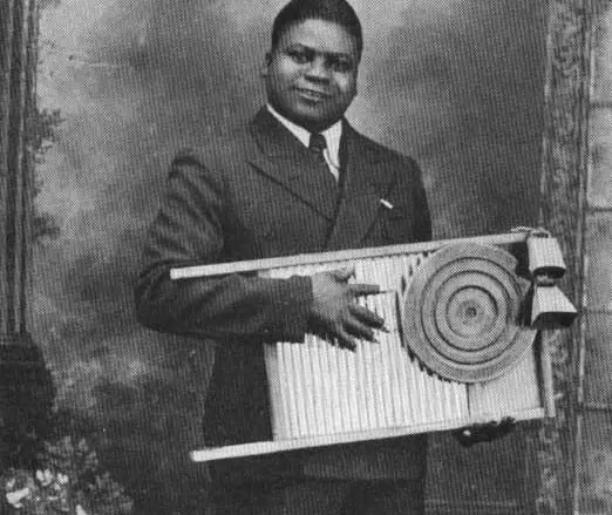
Washboard Sam’s Spotify BioA popular hokum blues artist, Washboard Sam recorded hundreds of records in the late '30s and '40s, usually with singer/guitarist Big Bill Broonzy. Out of all the washboard players of the era, Sam was the most popular, which was due not only to his to his washboard talent, but also to his skills as a songwriter, as well as his strong voice. As an accompanist, Sam not only played with Broonzy, but also with bluesmen like Bukka White, Memphis Slim, Willie Lacey, and Jazz Gillum.
Washboard Sam (born Robert Brown) was the illegitimate son of Frank Broonzy, who also fathered Big Bill Broonzy. Sam was raised in Arkansas and worked on a farm. He moved to Memphis in the early '20s to play the blues. While in Memphis, he met Sleepy John Estes and Hammie Nixon and the trio played street corners, collecting tips from passers-by. In 1932, Sam moved to Chicago. Initially he played for tips, but soon he began performing regularly with Big Bill Broonzy. Within a few years, Sam was supporting Broonzy o…n the guitarist's Bluebird recordings, and he began supporting a number of different musicians on their recording sessions, including pianist Memphis Slim, bassist Ransom Knowlin, and a handful of saxophone players, who all recorded for Bluebird.
In 1935, Washboard Sam began recording for both Bluebird and Vocalion Records, often supported by Big Bill Broonzy. Throughout the rest of the '30s and the '40s, Sam was one of the most popular Chicago bluesmen, selling numerous records and playing to packed audiences. After World War II, his audience began to shrink, largely because he had difficulty adapting to the new electric blues. In 1953, Washboard Sam recorded a session for Chess Records and then retired. In the early '60s, Willie Dixon and Memphis Slim tried to persuade Sam to return to the stage to capitalize on the blues revival. Initially, he refused, but in 1963, he began performing concerts in clubs and ccoffee housesin Chicago; he even played a handful of dates in Europe in early 1964. Washboard Sam made his final recordings for the small, Chicago-based Spivey label in 1964. The following year, his health quickly declined and he stopped recording and playing shows. In November of 1966, he died of heart disease. ~ Cub Koda, Rovi
Viberate is a music analytics platform built for A&Rs, artist managers, labels, booking agents, marketers, and artists.
It helps music professionals track artist growth, analyze audience data, monitor playlist activity, compare artists, follow song performance, and identify opportunities across the music market.
Public artist pages provide a free preview of selected artist data. Paid plans provide access to deeper analytics, historical data, charts, comparisons, playlist tools, exports, alerts, reports, and additional professional features.
Yes. Public Viberate artist pages provide selected artist analytics and music data for free.
Viberate also offers a 7-day free trial of the full platform. A credit card is required to start the trial. The trial includes access to the complete product so users can test deeper artist analytics, historical views, playlist insights, comparisons, charts, exports, alerts, and reporting features before choosing a paid plan.
Viberate provides artist analytics across streaming, playlists, social media, video, radio airplay, songs, and audience markets.
Users can analyze Spotify performance, Spotify and Apple Music playlists, YouTube activity, TikTok and Instagram growth, radio spins, song performance, audience locations, demographics, rankings, and overall artist momentum.
Artist profiles also connect to music charts, similar artists, and comparison tools, helping users benchmark performance and evaluate artists in context.
Viberate updates key artist and track data daily.
For followed artists and tracks, selected data is refreshed multiple times per day. This helps teams monitor playlist changes, streaming movement, audience growth, releases, and campaign performance with more current data.
Update frequency can vary depending on the metric and data source.
Yes. Viberate lets users compare up to five artists side by side across streaming, social media, audience, and engagement metrics.
Users can compare fanbase growth, audience demographics, locations, Spotify performance, social metrics, and other artist data over selected time periods.
Artist comparison can be used for A&R scouting, benchmarking, booking decisions, campaign planning, and evaluating artists with similar audiences or market positions.