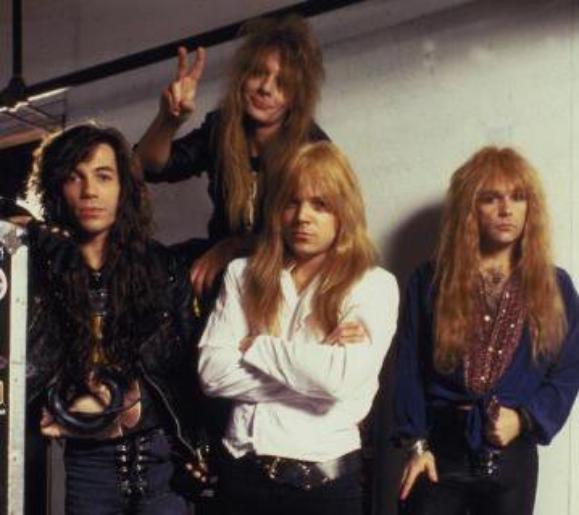
Britny Fox

Rock
Hard Rock
Glam Metal
 Viberate Rank: 74095
 Viberate Rank: 74095
 Monthly ListenersFollowers
 Subscribers
 Followers
 Followers
 FansTop Spotify Songs
| Track | 7-Day Streams | |
|---|---|---|
1 | 15.10K | |
2 | 4.69K | |
3 | 4.17K | |
4 | 3.65K | |
5 | 2.86K |
Top YouTube Videos| Video | 7-Day Views | |
|---|---|---|
1 | 12.82K | |
2 | 7.81K | |
3 | 1.80K | |
4 | 1.29K | |
5 | 1.19K |
Monthly ListenersFeatured in Playlists| Playlist | Followers | |
|---|---|---|
1 |  80's Hair Bands Greatest Hits Bob Sheridan | 64.07K |
2 | Glam Rock Hits of the 8O's Mats Mazze Wallin | 62.24K |
3 |  The Sound of Everything The Sounds of Spotify | 53.81K |
4 |  80’s Hair Metal & Rock halun1 | 40.35K |
5 | Steve Young | 30.25K |
Audience| City | Monthly Listeners | |
|---|---|---|
1 | | 1.13K |
2 | | 1.04K |
3 | | 908 |
4 | | 783 |
5 | | 736 |
See full performance history, audience data, playlist activity, rankings, comparisons, and more in Viberate music analytics. Start with a free trial, then continue with a paid plan.
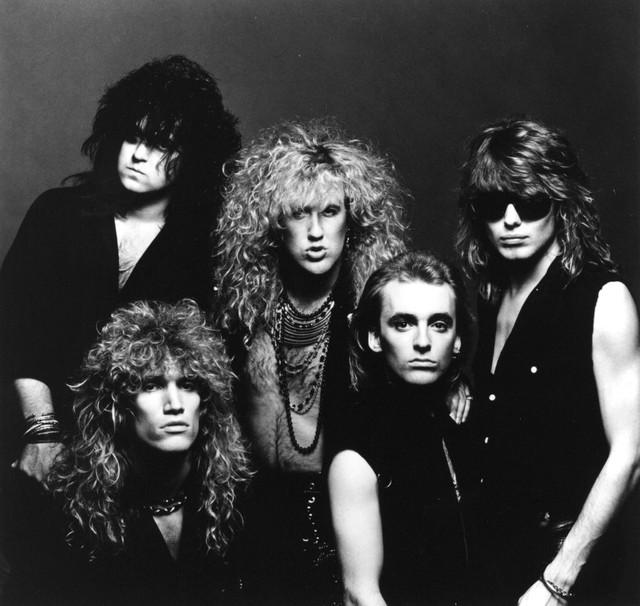
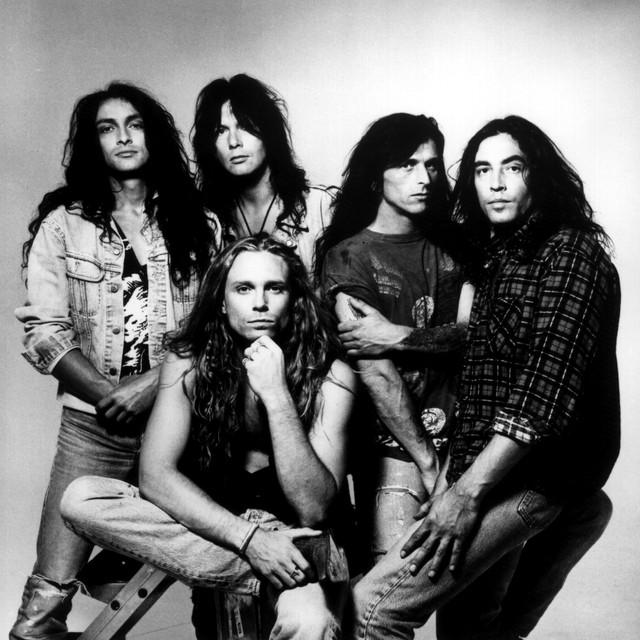
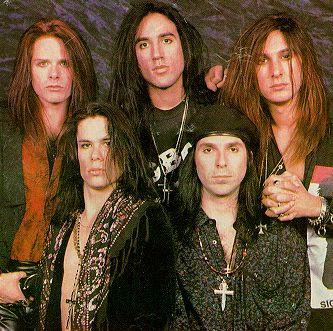
Britny Fox’s Spotify BioBritny Fox were a typical glam-rock bar band from Philadelphia. In 1985 they met Michael Kelly Smith (guitar) from up-and-coming band Cinderella, and before long the guitarist had defected from his former band to join the Philly boys' ranks. Naming themselves Britny Fox after one of singer Dizzy Dean Davison's Welsh ancestors, the band copped Cinderella's theatrical look and recorded their first demo, In America, with other members including Billy Childs on bass and Johnny Dee on drums. To show that there were no hard feelings, Cinderella helped the band get a record contract with Columbia, who released their self-titled debut to great acclaim and near-platinum sales. Lead single "Long Way to Love" made heavy rotation on MTV, but the equally rocking follow-up, "Girlschool," failed to ignite even in the specialized format of the video station's Headbanger's Ball. Nevertheless, Britny Fox won Metal Edge magazine's Best New Band award in 1988.
For their second album, the group tried to… incorporate a rootsier vibe into their sound, bringing in new producer Neil Kernon in search of the diversification that would free them from Cinderella's looming shadow. The approach failed to win them many new fans, and with sales lagging, Dizzy Dean left to pursue other interests. Just when it seemed the band had spent its fifteen minutes, Britny Fox came cruising back with Dizzy Dean soundalike Tommy Paris. Unfortunately, the songwriting had failed to progress one iota, and with the declining public taste for Hollywood glam, the band folded before their new album had time to hit the cutout bins. ~ Jeremy Ulrey, Rovi
Viberate is a music analytics platform built for A&Rs, artist managers, labels, booking agents, marketers, and artists.
It helps music professionals track artist growth, analyze audience data, monitor playlist activity, compare artists, follow song performance, and identify opportunities across the music market.
Public artist pages provide a free preview of selected artist data. Paid plans provide access to deeper analytics, historical data, charts, comparisons, playlist tools, exports, alerts, reports, and additional professional features.
Yes. Public Viberate artist pages provide selected artist analytics and music data for free.
Viberate also offers a 7-day free trial of the full platform. A credit card is required to start the trial. The trial includes access to the complete product so users can test deeper artist analytics, historical views, playlist insights, comparisons, charts, exports, alerts, and reporting features before choosing a paid plan.
Viberate provides artist analytics across streaming, playlists, social media, video, radio airplay, songs, and audience markets.
Users can analyze Spotify performance, Spotify and Apple Music playlists, YouTube activity, TikTok and Instagram growth, radio spins, song performance, audience locations, demographics, rankings, and overall artist momentum.
Artist profiles also connect to music charts, similar artists, and comparison tools, helping users benchmark performance and evaluate artists in context.
Viberate updates key artist and track data daily.
For followed artists and tracks, selected data is refreshed multiple times per day. This helps teams monitor playlist changes, streaming movement, audience growth, releases, and campaign performance with more current data.
Update frequency can vary depending on the metric and data source.
Yes. Viberate lets users compare up to five artists side by side across streaming, social media, audience, and engagement metrics.
Users can compare fanbase growth, audience demographics, locations, Spotify performance, social metrics, and other artist data over selected time periods.
Artist comparison can be used for A&R scouting, benchmarking, booking decisions, campaign planning, and evaluating artists with similar audiences or market positions.