Dangerous Toys

Rock
Hard Rock
Glam Metal
 Viberate Rank: 96376
 Viberate Rank: 96376
 Monthly ListenersFollowers
 Subscribers
 Followers
 Followers
 FansTop Spotify Songs
| Track | 7-Day Streams | |
|---|---|---|
1 | 1.74K | |
2 | 1.62K | |
3 | 740 | |
4 | 666 | |
5 | 653 |
Top YouTube Videos| Video | 7-Day Views | |
|---|---|---|
1 | 8.51K | |
2 | 5.19K | |
3 | 979 | |
4 | 803 | |
5 | 594 |
Monthly ListenersFeatured in Playlists| Playlist | Followers | |
|---|---|---|
1 |  80's Hair Bands Greatest Hits Bob Sheridan | 64.13K |
2 |  80’s Hair Metal & Rock halun1 | 40.38K |
3 | ☠️ kaycie ✶ | 31.70K |
4 |  Glam Metal Ivan BG | 23.62K |
5 |  Best of the 80's & 90's hair bands The Legit Mac | 22.31K |
Audience| City | Monthly Listeners | |
|---|---|---|
1 |  | 301 |
2 | | 291 |
3 | | 286 |
4 | | 264 |
5 | | 244 |
See full performance history, audience data, playlist activity, rankings, comparisons, and more in Viberate music analytics. Start with a free trial, then continue with a paid plan.
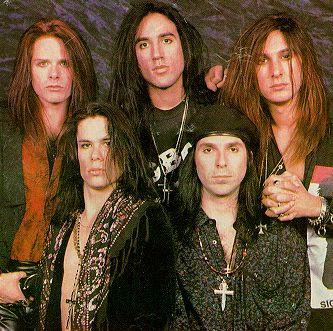
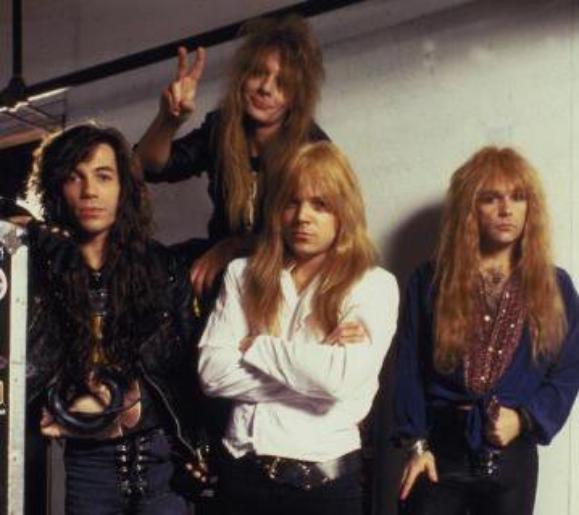
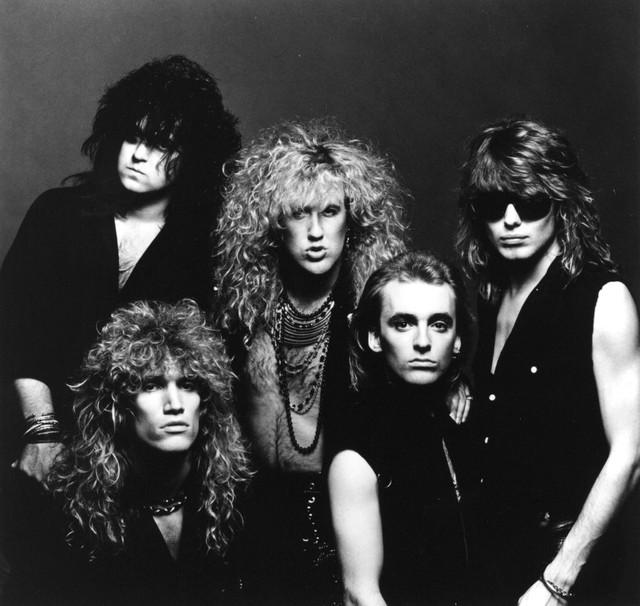
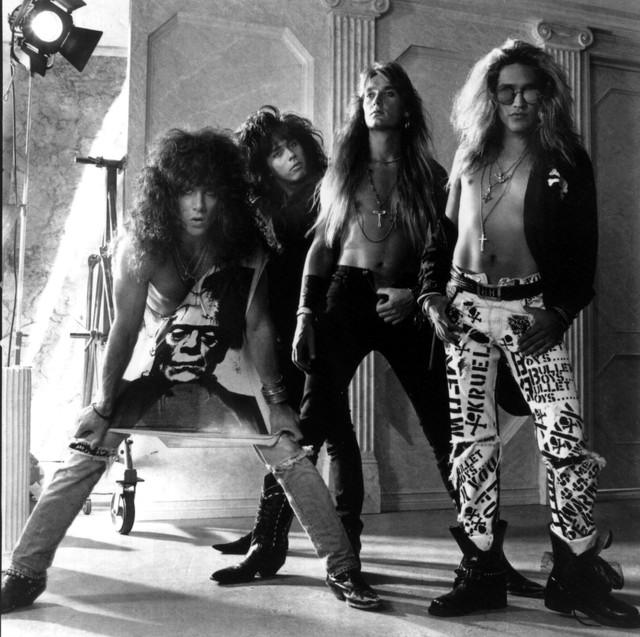
Dangerous Toys’ Spotify BioWhen Texas rockers Dangerous Toys released their self-titled debut on Columbia in 1989, their raw Southern rock and metal served as an immediate attack on glam metal's reign on MTV and rock radio. Their two hit singles, "Teas'n, Pleas'n" and "Scared," gained the band a rabid following and helped the album go gold. Favorable reviews for 1991's Hellacious Acres weren't enough to keep the band afloat amidst the grunge and alt-rock wave, and after releasing 1995's The R*tist 4*merly Known as Dangerous Toys, Dangerous Toys never returned to the studio, although they have continued to perform live over the decades.
Dangerous Toys was founded in Austin in 1987 by vocalist Jason McMaster, guitarists Scott Dalhover and Danny Aaron, drummer Mark Geary, and bassist Mike Watson. They inked a deal with Columbia in 1988 and released their eponymous debut one year later. The LP reached no. 65 on the Billboard 200 on the strength of the hits "Teas'n, Pleas'n" and "Scared," and before long, the band was… sharing stages with The Cult, L.A. Guns, Stryper, Faster Pussycat, and Bonham. Later that year, they contributed "Demon Bell (The Ballad of Horace Pinker)" to the soundtrack of the Wes Craven-directed thriller, Shocker. 1991 saw the release of the Roy Thomas Baker-produced Hellacious Acres, which featured the singles "Gimme' No Lip" and Line 'Em Up," as well as a cover of Bad Company's "Feel Like Makin' Love." The album reached no. 67 on the Billboard 200, but the hard rock/metal scene was beginning to buckle under the weight of the burgeoning grunge scene, and Columbia dropped the group. Guitarist Danny Aaron departed during the Hellacious Acres tour and was replaced by Kevin Fowler, who Paul Lidel of Dirty Looks then displaced. Lidel made his studio debut on 1994's aptly-named Pissed. Released via EMP Label Group, the LP adopted a darker and more aggressive tone. Bassist Mike Watson left before recording the band's fourth full-length effort, 1995's The R'tist 4'merly Known As Dangerous Toys, which featured cover art poking fun at Prince's 1988 album Lovesexy. Like its predecessor, the LP failed to find any chart traction. The 1999 concert album Vitamins and Crash Helmets Tour-Live Greatest Hits would be Dangerous Toys' last recorded output. The band reunited in 2001 for a series of shows and have continued to reunite sporadically into the 2020s. ~ James Christopher Monger, Rovi
Viberate is a music analytics platform built for A&Rs, artist managers, labels, booking agents, marketers, and artists.
It helps music professionals track artist growth, analyze audience data, monitor playlist activity, compare artists, follow song performance, and identify opportunities across the music market.
Public artist pages provide a free preview of selected artist data. Paid plans provide access to deeper analytics, historical data, charts, comparisons, playlist tools, exports, alerts, reports, and additional professional features.
Yes. Public Viberate artist pages provide selected artist analytics and music data for free.
Viberate also offers a 7-day free trial of the full platform. A credit card is required to start the trial. The trial includes access to the complete product so users can test deeper artist analytics, historical views, playlist insights, comparisons, charts, exports, alerts, and reporting features before choosing a paid plan.
Viberate provides artist analytics across streaming, playlists, social media, video, radio airplay, songs, and audience markets.
Users can analyze Spotify performance, Spotify and Apple Music playlists, YouTube activity, TikTok and Instagram growth, radio spins, song performance, audience locations, demographics, rankings, and overall artist momentum.
Artist profiles also connect to music charts, similar artists, and comparison tools, helping users benchmark performance and evaluate artists in context.
Viberate updates key artist and track data daily.
For followed artists and tracks, selected data is refreshed multiple times per day. This helps teams monitor playlist changes, streaming movement, audience growth, releases, and campaign performance with more current data.
Update frequency can vary depending on the metric and data source.
Yes. Viberate lets users compare up to five artists side by side across streaming, social media, audience, and engagement metrics.
Users can compare fanbase growth, audience demographics, locations, Spotify performance, social metrics, and other artist data over selected time periods.
Artist comparison can be used for A&R scouting, benchmarking, booking decisions, campaign planning, and evaluating artists with similar audiences or market positions.