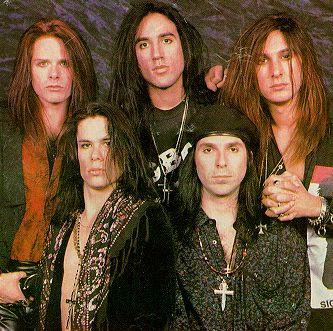
Bang Tango

Rock
Hard Rock
Glam Metal
 Viberate Rank: 114820
 Viberate Rank: 114820
 Monthly ListenersFollowers
 Subscribers
 Followers
 Followers
 FansTop Spotify Songs
| Track | 7-Day Streams | |
|---|---|---|
1 | 9.77K | |
2 | 1.05K | |
3 | 1.05K | |
4 | 782 | |
5 | 710 |
Top YouTube VideosMonthly ListenersFeatured in Playlists| Playlist | Followers | |
|---|---|---|
1 |  80's Hair Bands Greatest Hits Bob Sheridan | 64.07K |
2 |  80’s Hair Metal & Rock halun1 | 40.35K |
3 |  Hair Nation Josh Kyburz | 26.61K |
4 |  Glam Metal Ivan BG | 23.62K |
5 |  Best of the 80's & 90's hair bands The Legit Mac | 22.28K |
Audience| City | Monthly Listeners | |
|---|---|---|
1 | | 534 |
2 | | 533 |
3 | | 401 |
4 | | 342 |
5 | | 342 |
See full performance history, audience data, playlist activity, rankings, comparisons, and more in Viberate music analytics. Start with a free trial, then continue with a paid plan.
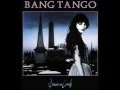
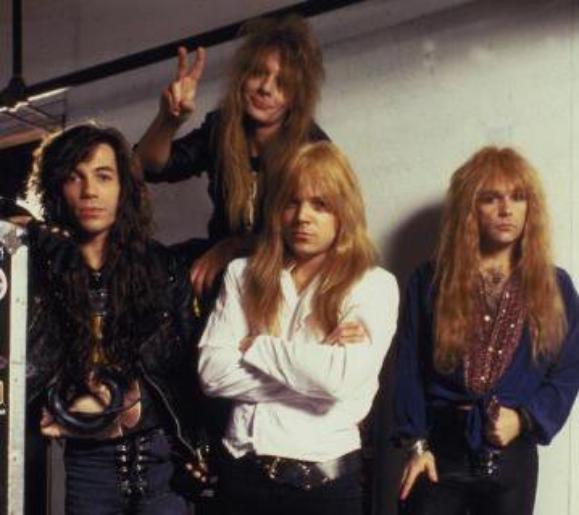
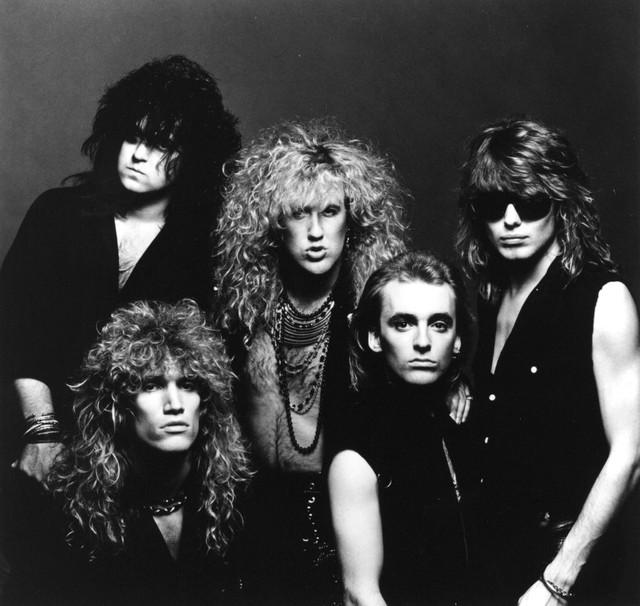
Bang Tango’s Spotify BioAlthough Bang Tango was often lumped in with the whole '80s glam metal movement, the hard-rockin' quintet was one of the few L.A. glam groups to incorporate funk into its sound -- around the same time as the Red Hot Chili Peppers and Faith No More made it acceptable to do so. Their lineup consisted of Joe Lesté (vocals), Kyle Stevens (guitar), Mark Knight (guitar), Kyle Kyle (bass), and Tigg Ketler (drums), and gained the interest of Mechanic/MCA shortly after the quintet issued the in-concert recording Live Injection in 1987. Their major-label debut, Psycho Cafe, was issued in 1989, and despite MTV's Headbanger's Ball program giving some air time to their single/video "Someone Like You," the album failed to break the band into the big time.
The group continued to issue albums during the early part of the '90s -- 1991's Dancin' on Coals, 1992's Ain't No Jive...Live!, and 1994's Love After Death -- but with the emergence of the Seattle movement, bands like Bang Tango became passé with… most of the metal community. The band broke up shortly thereafter, with bassist Kyle joining former Faster Pussycat frontman Taime Downe's industrial project, the Newlydeads, while Lesté did some time as a stand-in for L.A. Guns (Ketler and Knight also resurfaced in the group the Worry Beads). In 1998, Kyle and Lesté resurrected the Bang Tango name for the 1998 release Live (on the Cleopatra label). A best-of compilation, Greatest Tricks, saw the light of day in 1999, as did United and Live the same year. In 2001, Lesté formed a more modern-sounding alt-metal outfit, Beautiful Creatures, issuing a self-titled debut the same year on Warner Bros., and toured as part of Ozzfest. Mark Knight also formed a new band, Gravy. ~ Greg Prato, Rovi
Viberate is a music analytics platform built for A&Rs, artist managers, labels, booking agents, marketers, and artists.
It helps music professionals track artist growth, analyze audience data, monitor playlist activity, compare artists, follow song performance, and identify opportunities across the music market.
Public artist pages provide a free preview of selected artist data. Paid plans provide access to deeper analytics, historical data, charts, comparisons, playlist tools, exports, alerts, reports, and additional professional features.
Yes. Public Viberate artist pages provide selected artist analytics and music data for free.
Viberate also offers a 7-day free trial of the full platform. A credit card is required to start the trial. The trial includes access to the complete product so users can test deeper artist analytics, historical views, playlist insights, comparisons, charts, exports, alerts, and reporting features before choosing a paid plan.
Viberate provides artist analytics across streaming, playlists, social media, video, radio airplay, songs, and audience markets.
Users can analyze Spotify performance, Spotify and Apple Music playlists, YouTube activity, TikTok and Instagram growth, radio spins, song performance, audience locations, demographics, rankings, and overall artist momentum.
Artist profiles also connect to music charts, similar artists, and comparison tools, helping users benchmark performance and evaluate artists in context.
Viberate updates key artist and track data daily.
For followed artists and tracks, selected data is refreshed multiple times per day. This helps teams monitor playlist changes, streaming movement, audience growth, releases, and campaign performance with more current data.
Update frequency can vary depending on the metric and data source.
Yes. Viberate lets users compare up to five artists side by side across streaming, social media, audience, and engagement metrics.
Users can compare fanbase growth, audience demographics, locations, Spotify performance, social metrics, and other artist data over selected time periods.
Artist comparison can be used for A&R scouting, benchmarking, booking decisions, campaign planning, and evaluating artists with similar audiences or market positions.