Babylon A.D.

Rock
Hard Rock
Glam Metal
 Viberate Rank: 121805
 Viberate Rank: 121805
 Monthly ListenersFollowers
 Subscribers
 Followers
 Followers
 FansTop Spotify Songs
| Track | 7-Day Streams | |
|---|---|---|
1 | 3.26K | |
2 | 2.01K | |
3 | 1.74K | |
4 | 1.05K | |
5 | 972 |
Top YouTube VideosMonthly ListenersFeatured in Playlists| Playlist | Followers | |
|---|---|---|
1 |  80's Hair Bands Greatest Hits Bob Sheridan | 64.07K |
2 |  80's + 90's Movies Soundtracks Jackie | 41.46K |
3 |  80’s Hair Metal & Rock halun1 | 40.35K |
4 |  Glam Metal Ivan BG | 23.62K |
5 | Ultimate 80s Metal! Michael Field | 15.41K |
Audience| City | Monthly Listeners | |
|---|---|---|
1 | | 394 |
2 | | 372 |
3 | | 285 |
4 | | 249 |
5 |  | 248 |
See full performance history, audience data, playlist activity, rankings, comparisons, and more in Viberate music analytics. Start with a free trial, then continue with a paid plan.
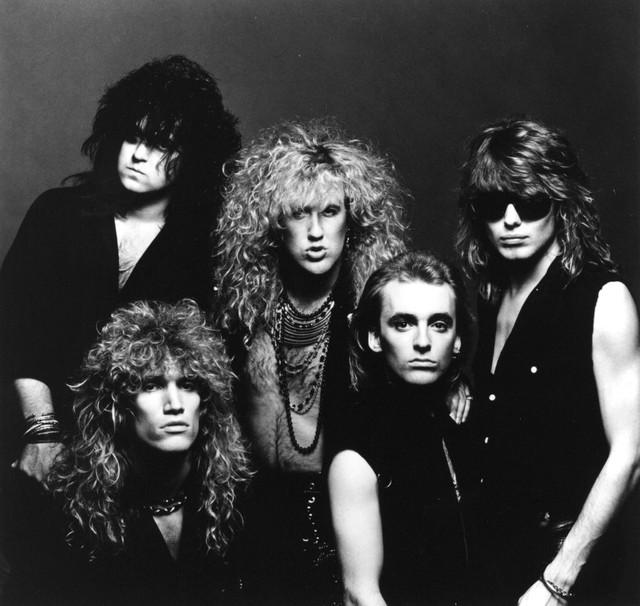
Babylon A.D.’s Spotify BioBabylon A.D. hail from the San Francisco Bay Area, CA. They have just released their new album "When the World Stops" on Kivel Records , the follow up to their 2024 Rome Wasn't Built In A Day" on Perris Records.
Original members, Derek Davis vocalist/songwriter, guitarists’ John Mathews and Ron Freschi, began playing together in 1987. In 1989 Babylon A.D. was signed by Arista Records President and industry music mogul “Clive Davis”, at a live showcase in Los Angeles CA.
Their first album “Babylon A.D.” released in 1990 included the rock classic hits "Bang Go The Bells”, “Hammer Swings Down” and “The Kid Goes Wild”, the trailer for Orion Pictures (ROBO COP 2). The band scored three #1 songs at AOR Radio and reached Gold status. They spent 38 weeks on the Billboard top 200, peaking at # 46.
Their sophomore effort (Nothing Sacred) released in 1992 produced two more top-ten metal rockers. In total, they have released nine albums.
2023, BABYLON A.D. announced new members Craig Pepe (bass) and… Dylan Soto (drums) and a new live concert album “Live Lightning” from Perris Records.
2025 The band has a new album and have just finished a U.K and Greek tour !
The band has 9 albums to date and legions of true hard rock followers!
Viberate is a music analytics platform built for A&Rs, artist managers, labels, booking agents, marketers, and artists.
It helps music professionals track artist growth, analyze audience data, monitor playlist activity, compare artists, follow song performance, and identify opportunities across the music market.
Public artist pages provide a free preview of selected artist data. Paid plans provide access to deeper analytics, historical data, charts, comparisons, playlist tools, exports, alerts, reports, and additional professional features.
Yes. Public Viberate artist pages provide selected artist analytics and music data for free.
Viberate also offers a 7-day free trial of the full platform. A credit card is required to start the trial. The trial includes access to the complete product so users can test deeper artist analytics, historical views, playlist insights, comparisons, charts, exports, alerts, and reporting features before choosing a paid plan.
Viberate provides artist analytics across streaming, playlists, social media, video, radio airplay, songs, and audience markets.
Users can analyze Spotify performance, Spotify and Apple Music playlists, YouTube activity, TikTok and Instagram growth, radio spins, song performance, audience locations, demographics, rankings, and overall artist momentum.
Artist profiles also connect to music charts, similar artists, and comparison tools, helping users benchmark performance and evaluate artists in context.
Viberate updates key artist and track data daily.
For followed artists and tracks, selected data is refreshed multiple times per day. This helps teams monitor playlist changes, streaming movement, audience growth, releases, and campaign performance with more current data.
Update frequency can vary depending on the metric and data source.
Yes. Viberate lets users compare up to five artists side by side across streaming, social media, audience, and engagement metrics.
Users can compare fanbase growth, audience demographics, locations, Spotify performance, social metrics, and other artist data over selected time periods.
Artist comparison can be used for A&R scouting, benchmarking, booking decisions, campaign planning, and evaluating artists with similar audiences or market positions.