Trixter

Rock
Hard Rock
Glam Metal
 Viberate Rank: 82648
 Viberate Rank: 82648
 Monthly ListenersFollowers
 Subscribers
 Followers
 Followers
 FansTop Spotify Songs
| Track | 7-Day Streams | |
|---|---|---|
1 | 11.89K | |
2 | 9.85K | |
3 | 4.94K | |
4 | 4.19K | |
5 | 1.62K |
Top YouTube Videos| Video | 7-Day Views | |
|---|---|---|
1 | 7.37K | |
2 | 4.11K | |
3 | 158 | |
4 | 143 | |
5 | 135 |
Monthly ListenersFeatured in Playlists| Playlist | Followers | |
|---|---|---|
1 |  Rock Power Ballads Spotify | 1.25M |
2 | Top Classic Rock Hits Of All Time Tom Schumacher | 301.71K |
3 |  80's Hair Bands Greatest Hits Bob Sheridan | 64.07K |
4 | Josie's On A Vacation, Far Away... Justin Patrick | 53.10K |
5 |  Cobra Kai-Johnny Lawrence BadAss MixTape crandash | 44.83K |
Audience| City | Monthly Listeners | |
|---|---|---|
1 | | 1.05K |
2 | | 1.02K |
3 | | 894 |
4 | | 687 |
5 | | 618 |
See full performance history, audience data, playlist activity, rankings, comparisons, and more in Viberate music analytics. Start with a free trial, then continue with a paid plan.
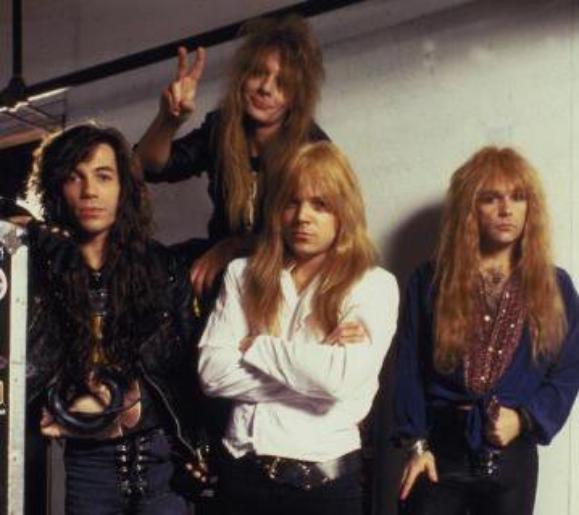
Trixter’s Spotify BioAlthough formed in 1983 by Steve Brown in Paramus, NJ, Trixter's big break didn't come until 1989, when the band decamped to Hollywood (the unofficial headquarters of hair metal) to record for MCA Records. The following year saw Trixter touring the country with Stryper and Don Dokken in support of their self-titled debut, which received a significant boost from MTV. Vocalist Peter Loran, guitarist Steve Brown, bassist P.J. Farley, and the drummer were frequent faces on the music network, where the videos for "Give It to Me Good," "One in a Million," and "Surrender" all fell into regular rotation. Trixter went gold in early 1991, having sold over 500,000 copies in the U.S., and the bandmates increased their popularity by joining the "Blood, Sweat, and Beers Tour" (which also featured Warrant and Firehouse) and contributing to the soundtrack for If Looks Could Kill. Great Band
Viberate is a music analytics platform built for A&Rs, artist managers, labels, booking agents, marketers, and artists.
It helps music professionals track artist growth, analyze audience data, monitor playlist activity, compare artists, follow song performance, and identify opportunities across the music market.
Public artist pages provide a free preview of selected artist data. Paid plans provide access to deeper analytics, historical data, charts, comparisons, playlist tools, exports, alerts, reports, and additional professional features.
Yes. Public Viberate artist pages provide selected artist analytics and music data for free.
Viberate also offers a 7-day free trial of the full platform. A credit card is required to start the trial. The trial includes access to the complete product so users can test deeper artist analytics, historical views, playlist insights, comparisons, charts, exports, alerts, and reporting features before choosing a paid plan.
Viberate provides artist analytics across streaming, playlists, social media, video, radio airplay, songs, and audience markets.
Users can analyze Spotify performance, Spotify and Apple Music playlists, YouTube activity, TikTok and Instagram growth, radio spins, song performance, audience locations, demographics, rankings, and overall artist momentum.
Artist profiles also connect to music charts, similar artists, and comparison tools, helping users benchmark performance and evaluate artists in context.
Viberate updates key artist and track data daily.
For followed artists and tracks, selected data is refreshed multiple times per day. This helps teams monitor playlist changes, streaming movement, audience growth, releases, and campaign performance with more current data.
Update frequency can vary depending on the metric and data source.
Yes. Viberate lets users compare up to five artists side by side across streaming, social media, audience, and engagement metrics.
Users can compare fanbase growth, audience demographics, locations, Spotify performance, social metrics, and other artist data over selected time periods.
Artist comparison can be used for A&R scouting, benchmarking, booking decisions, campaign planning, and evaluating artists with similar audiences or market positions.