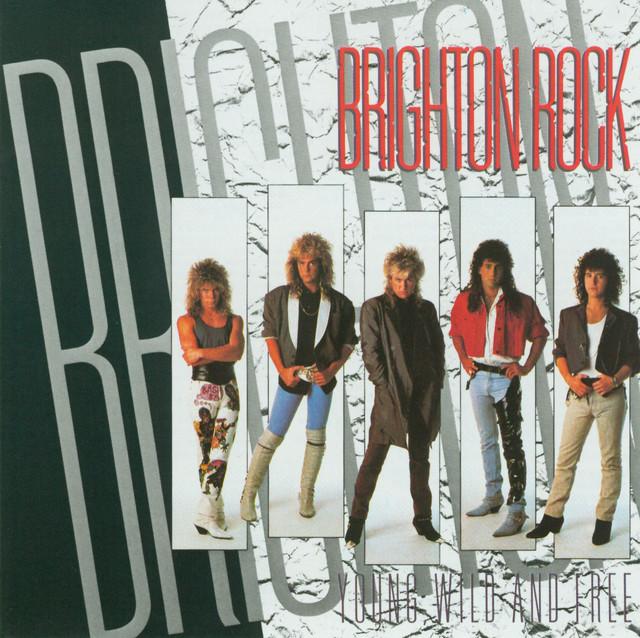
Brighton Rock

Rock
Hard Rock
Glam Metal
 Viberate Rank: 237341
 Viberate Rank: 237341
 Monthly ListenersFollowers
 Subscribers
 Followers
 Followers
 FansTop Spotify Songs
| Track | 7-Day Streams | |
|---|---|---|
1 | 500 | |
2 | 400 | |
3 | 334 | |
4 | 267 | |
5 | 144 |
Top YouTube VideosMonthly ListenersFeatured in Playlists| Playlist | Followers | |
|---|---|---|
1 |  80’s Hair Metal & Rock halun1 | 40.35K |
2 | AOR / Melodic Rock Magnus Olsson | 6.17K |
3 |  80s' AOR (Adult Oriented Rock) kutlay.yegen | 2.57K |
4 |  ☆Mila's Jam☆ Miła Moon ☆ | 1.90K |
5 | 80s hard rock/heavy metal masterracerock | 1.77K |
Audience| City | Monthly Listeners | |
|---|---|---|
1 | | 252 |
2 | | 120 |
3 | | 108 |
4 | | 86 |
5 | | 84 |
See full performance history, audience data, playlist activity, rankings, comparisons, and more in Viberate music analytics. Start with a free trial, then continue with a paid plan.
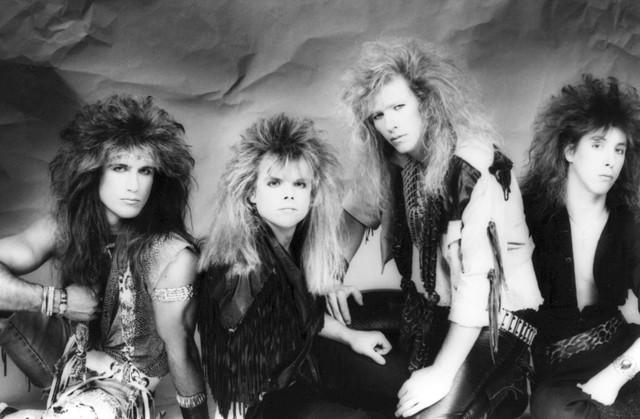
Brighton Rock’s Spotify BioHeart Attack -- not the medical condition, but the indie rock band -- formed in the early '80s. It performed music that fit somewhere in between alternative pop/rock and heavy metal, completing a number of singles, an EP, four albums, and one music video, all under the name Brighton Rock. Members were lead singer Gerald McGhee, keyboardists Martin Victor and Johnny Rogers, guitarist Greg Fraser, bassist Stevie "Skreebs" Skrebiec, and drummer Mark Cavarzan. Guitarist Greg Bioleau also performed with the guys when the group hit the road to tour. Trouble with its label and management put an end to the group at the beginning of the '90s.
Soon after its conception, Heart Attack changed its name to Brighton Rock. In 1986, the band released an EP, Young, Wild and Free. Some of the tunes from the debut are "Can't Wait for the Night," "Assault Attack," "We Came to Rock," "Jack Is Back," and "Change of Heart." The recording did much better than expected for a first-time offering, making waves in… several countries, including Germany, Ireland, and France. A year later, Brighton Rock recorded an album, sticking it with the same title as the EP, hoping to ride the success a little further. The full-length recording didn't live up to those hopes. In 1989, a sophomore hit the market, Take a Deep Breath, and then in 1991 one final album, Love Machine. ~ Charlotte Dillon, Rovi
Viberate is a music analytics platform built for A&Rs, artist managers, labels, booking agents, marketers, and artists.
It helps music professionals track artist growth, analyze audience data, monitor playlist activity, compare artists, follow song performance, and identify opportunities across the music market.
Public artist pages provide a free preview of selected artist data. Paid plans provide access to deeper analytics, historical data, charts, comparisons, playlist tools, exports, alerts, reports, and additional professional features.
Yes. Public Viberate artist pages provide selected artist analytics and music data for free.
Viberate also offers a 7-day free trial of the full platform. A credit card is required to start the trial. The trial includes access to the complete product so users can test deeper artist analytics, historical views, playlist insights, comparisons, charts, exports, alerts, and reporting features before choosing a paid plan.
Viberate provides artist analytics across streaming, playlists, social media, video, radio airplay, songs, and audience markets.
Users can analyze Spotify performance, Spotify and Apple Music playlists, YouTube activity, TikTok and Instagram growth, radio spins, song performance, audience locations, demographics, rankings, and overall artist momentum.
Artist profiles also connect to music charts, similar artists, and comparison tools, helping users benchmark performance and evaluate artists in context.
Viberate updates key artist and track data daily.
For followed artists and tracks, selected data is refreshed multiple times per day. This helps teams monitor playlist changes, streaming movement, audience growth, releases, and campaign performance with more current data.
Update frequency can vary depending on the metric and data source.
Yes. Viberate lets users compare up to five artists side by side across streaming, social media, audience, and engagement metrics.
Users can compare fanbase growth, audience demographics, locations, Spotify performance, social metrics, and other artist data over selected time periods.
Artist comparison can be used for A&R scouting, benchmarking, booking decisions, campaign planning, and evaluating artists with similar audiences or market positions.