Paul Laine

Rock
Pop Rock
Alternative Rock
 Viberate Rank: 178673
 Viberate Rank: 178673
 Monthly ListenersFollowers
 Subscribers
 Followers
 Followers
 FansTop Spotify Songs
| Track | 7-Day Streams | |
|---|---|---|
1 | 1.39K | |
2 | 827 | |
3 | 727 | |
4 | 597 | |
5 | 575 |
Top YouTube VideosMonthly ListenersFeatured in Playlists| Playlist | Followers | |
|---|---|---|
1 | AOR / Melodic Rock Magnus Olsson | 6.17K |
2 | 80s Metal Rock BLOODLUST | 4.71K |
3 | Baladas Heavy Metal LadyBlue | 3.79K |
4 |  This Is Danger Danger Spotify | 3.79K |
5 |  New Melodic Rock Frontiers Music srl. | 3.29K |
Audience| City | Monthly Listeners | |
|---|---|---|
1 |  | 200 |
2 | | 141 |
3 |  | 133 |
4 |  | 123 |
5 |  | 118 |
See full performance history, audience data, playlist activity, rankings, comparisons, and more in Viberate music analytics. Start with a free trial, then continue with a paid plan.
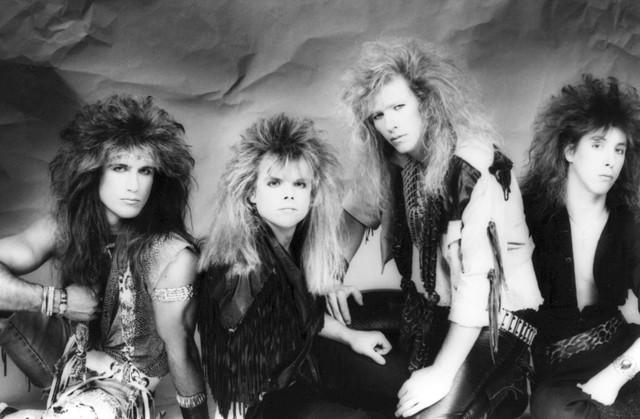
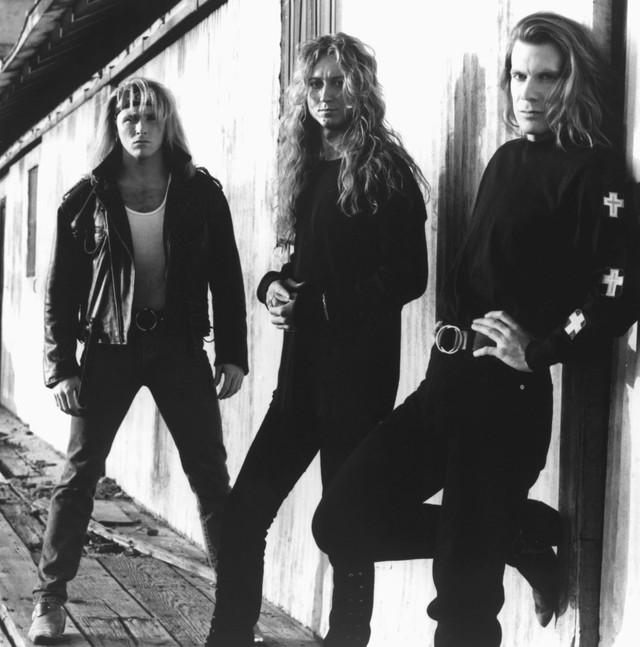
Paul Laine’s Spotify BioCanadian singer, guitarist, and keyboardist Paul Laine didn't have a very traditional childhood. In fact, by the time he was 13, he had already left home. Three years later he was earning money by performing in bars, although still underage. He went on to have a short solo career, but is probably best remembered for the work he did as a member of Danger Danger.
Laine, a Vancouver native, was 18 when he cut his first demo. It contained three tunes, and drew no interest for the young artist with big dreams. He moved into management, but still hoped to find his place behind the microphone some day. Once he had put aside a little money, he did some more work on his demo and gave it another try. This time the results were only slightly better. Laine, refusing to give up, redid his demo yet again. They say the third time is the charm, and so it was. Soon there was more than one label courting him.
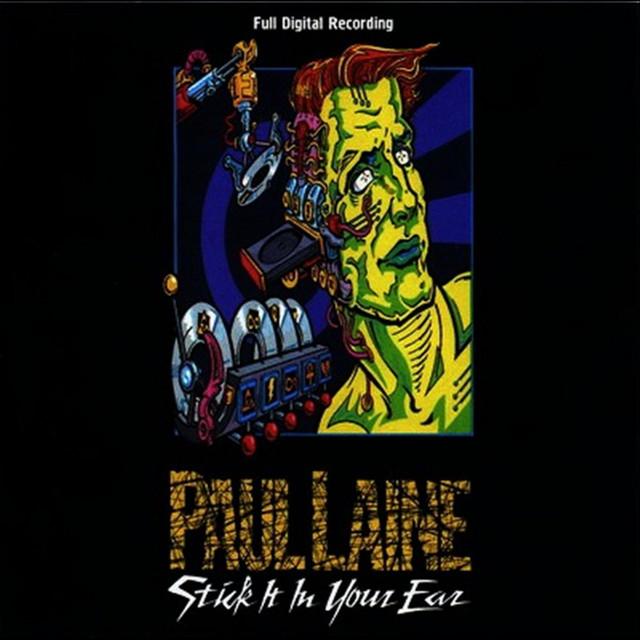
By 1989, Laine had a contract with Elektra Records, and a backing band of his own. Members were… guitarist Kenny Chaos, drummer Pat Steward, bassist Scott Brown, and keyboardist Paul Gogo. That same year brought about many firsts for Laine, including two singles, "We Are the Young" and "Dorianna," a debut album, Stick It in Your Ear, and even a music video. He also toured with an impressive bunch, including Richard Marx and Bryan Adams. Though things seemed to be going well, and the debut album was leaving store shelves quickly, there were no more solo albums by Laine. He still stayed busy in the music world, working on a number of albums and singles with other artists.
The '90s found Laine serving as lead singer with drummer and percussionist Steve West and guitarist, keyboardist, and bassist Bruno Ravel in the hard rock band Danger Danger. Together the threesome completed the excellent album, Dawn. ~ Charlotte Dillon, Rovi
Viberate is a music analytics platform built for A&Rs, artist managers, labels, booking agents, marketers, and artists.
It helps music professionals track artist growth, analyze audience data, monitor playlist activity, compare artists, follow song performance, and identify opportunities across the music market.
Public artist pages provide a free preview of selected artist data. Paid plans provide access to deeper analytics, historical data, charts, comparisons, playlist tools, exports, alerts, reports, and additional professional features.
Yes. Public Viberate artist pages provide selected artist analytics and music data for free.
Viberate also offers a 7-day free trial of the full platform. A credit card is required to start the trial. The trial includes access to the complete product so users can test deeper artist analytics, historical views, playlist insights, comparisons, charts, exports, alerts, and reporting features before choosing a paid plan.
Viberate provides artist analytics across streaming, playlists, social media, video, radio airplay, songs, and audience markets.
Users can analyze Spotify performance, Spotify and Apple Music playlists, YouTube activity, TikTok and Instagram growth, radio spins, song performance, audience locations, demographics, rankings, and overall artist momentum.
Artist profiles also connect to music charts, similar artists, and comparison tools, helping users benchmark performance and evaluate artists in context.
Viberate updates key artist and track data daily.
For followed artists and tracks, selected data is refreshed multiple times per day. This helps teams monitor playlist changes, streaming movement, audience growth, releases, and campaign performance with more current data.
Update frequency can vary depending on the metric and data source.
Yes. Viberate lets users compare up to five artists side by side across streaming, social media, audience, and engagement metrics.
Users can compare fanbase growth, audience demographics, locations, Spotify performance, social metrics, and other artist data over selected time periods.
Artist comparison can be used for A&R scouting, benchmarking, booking decisions, campaign planning, and evaluating artists with similar audiences or market positions.