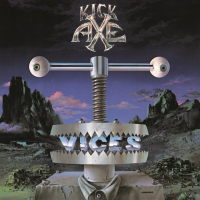
KICK AXE

Metal
Heavy Metal
Glam Metal
 Viberate Rank: 211664
 Viberate Rank: 211664
 Monthly ListenersFollowers
 Subscribers
 Followers
 Followers
 FansTop Spotify Songs
| Track | 7-Day Streams | |
|---|---|---|
1 | 1.05K | |
2 | 803 | |
3 | 443 | |
4 | 422 | |
5 | 378 |
Top YouTube VideosMonthly ListenersFeatured in Playlists| Playlist | Followers | |
|---|---|---|
1 |  80's Hair Bands Greatest Hits Bob Sheridan | 64.07K |
2 |  80’s Hair Metal & Rock halun1 | 40.35K |
3 | Ultimate 80s Metal! Michael Field | 15.41K |
4 |  NWOBHM Classics 🔥🔥 Abdurahman Muuse | 10.80K |
5 | Tina England | 10.54K |
Audience| City | Monthly Listeners | |
|---|---|---|
1 | | 242 |
2 | | 181 |
3 | | 176 |
4 | | 134 |
5 | | 130 |
See full performance history, audience data, playlist activity, rankings, comparisons, and more in Viberate music analytics. Start with a free trial, then continue with a paid plan.
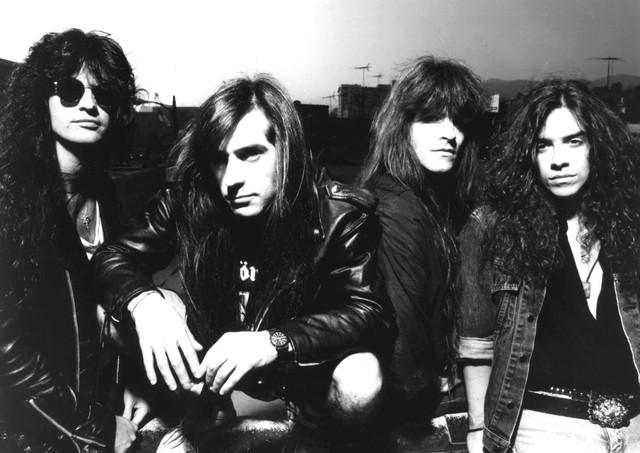
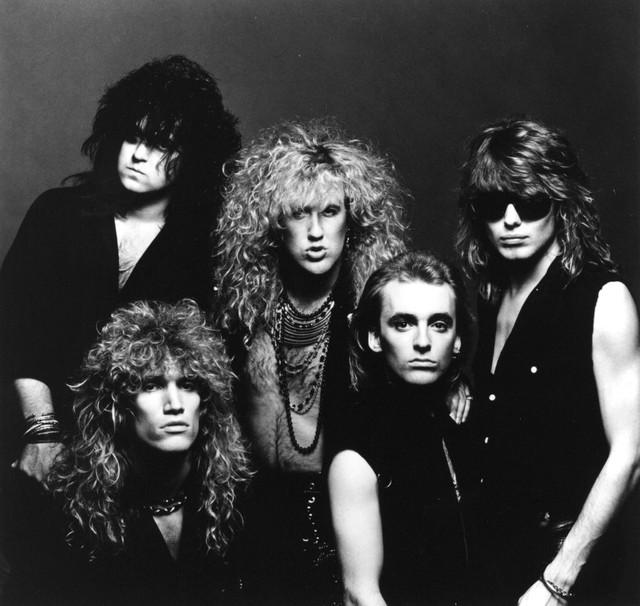
KICK AXE’s Spotify BioCanadian mainstream metal band Kick Axe was formed in Regina, Saskatchewan, in 1976 by brothers Victor Langen (bass) and Gary Langen (drums), along with guitarist Larry Gillstrom. The band started out playing biker festivals around their home province, and soon added second guitarist Raymond Arthur Harvey in January 1978. Kick Axe relocated to Vancouver in the hopes of finding more gigs, but the constant touring disagreed with Gary Langen, who quit before the end of 1978 to spend time with his new family; he was replaced by Gillstrom's brother, Brian. The group began recording an album in 1979, but were discouraged by the results and abandoned the idea in favor of searching for a true frontman. They hired Charles McNary in 1981, but he became more satisfied with the band's local success -- both in clubs and with the independent single "Reality Is the Nightmare" -- than the remainder of the group. National advertisements for a new singer landed Milwaukee native George Criston, who moved… to Vancouver in 1982 to join Kick Axe. Thus constituted, the band landed a deal with Pasha Records (home of Quiet Riot) and recorded their debut album, Vices, with producer Spencer Proffer. Vices was released in 1984 and produced a minor hit in "Heavy Metal Shuffle," as well as landing the band an opening slot for Judas Priest that summer. The follow-up, Welcome to the Club, appeared in 1985, featuring a charity-benefit cover of "With a Little Help From My Friends" recorded with a variety of Canadian hard rock all-stars. The album went gold in Canada, but guitarist Harvey, tired of touring, quit shortly thereafter. Kick Axe continued as a quartet and recorded two tracks for the soundtrack of Transformers: The Movie; however, executives feared the band's name would be inappropriate for the film's young audience, and they were instead credited as Spectre General. Back under their own name, Kick Axe recorded their third album, Rock the World, in 1986; however, it failed to build on the band's previous commercial exposure, and they broke up soon afterwards. ~ Steve Huey, Rovi
Viberate is a music analytics platform built for A&Rs, artist managers, labels, booking agents, marketers, and artists.
It helps music professionals track artist growth, analyze audience data, monitor playlist activity, compare artists, follow song performance, and identify opportunities across the music market.
Public artist pages provide a free preview of selected artist data. Paid plans provide access to deeper analytics, historical data, charts, comparisons, playlist tools, exports, alerts, reports, and additional professional features.
Yes. Public Viberate artist pages provide selected artist analytics and music data for free.
Viberate also offers a 7-day free trial of the full platform. A credit card is required to start the trial. The trial includes access to the complete product so users can test deeper artist analytics, historical views, playlist insights, comparisons, charts, exports, alerts, and reporting features before choosing a paid plan.
Viberate provides artist analytics across streaming, playlists, social media, video, radio airplay, songs, and audience markets.
Users can analyze Spotify performance, Spotify and Apple Music playlists, YouTube activity, TikTok and Instagram growth, radio spins, song performance, audience locations, demographics, rankings, and overall artist momentum.
Artist profiles also connect to music charts, similar artists, and comparison tools, helping users benchmark performance and evaluate artists in context.
Viberate updates key artist and track data daily.
For followed artists and tracks, selected data is refreshed multiple times per day. This helps teams monitor playlist changes, streaming movement, audience growth, releases, and campaign performance with more current data.
Update frequency can vary depending on the metric and data source.
Yes. Viberate lets users compare up to five artists side by side across streaming, social media, audience, and engagement metrics.
Users can compare fanbase growth, audience demographics, locations, Spotify performance, social metrics, and other artist data over selected time periods.
Artist comparison can be used for A&R scouting, benchmarking, booking decisions, campaign planning, and evaluating artists with similar audiences or market positions.