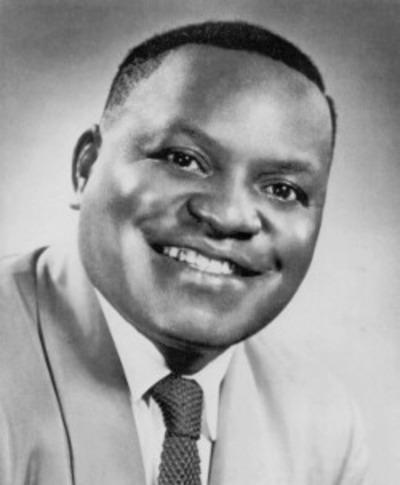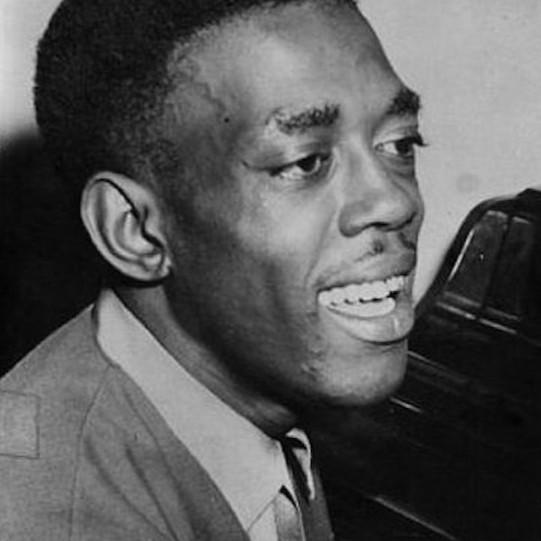
Bill Doggett

Jazz
Swing
Jazz Fusion
Classical Crossover
 Viberate Rank: 150779
 Viberate Rank: 150779
 Monthly ListenersFollowers
 Subscribers
 Followers
 Followers
 FansTop Spotify Songs
| Track | 7-Day Streams | |
|---|---|---|
1 | 6.09K | |
2 | 1.61K | |
3 | 1.61K | |
4 | 1.61K | |
5 | 1.61K |
Top YouTube VideosMonthly ListenersFeatured in Playlists| Playlist | Followers | |
|---|---|---|
1 |  The Sopranos Soundtrack - Full Playlist cullen_strang | 51.42K |
2 |  SWING DANCE - LINDY HOP - The best playlist - LOLA VAN Josep Anton Sr Escarlata | 44.61K |
3 |  Essential Classics Essential Classics | 31.39K |
4 |  LINDY HOP Dance Music Li Smuki | 22.75K |
5 |  Blue Velvet (Soundtrack) theloosestunit | 21.75K |
Audience| City | Monthly Listeners | |
|---|---|---|
1 | | 419 |
2 |  | 357 |
3 | | 292 |
4 | | 262 |
5 |  | 219 |
See full performance history, audience data, playlist activity, rankings, comparisons, and more in Viberate music analytics. Start with a free trial, then continue with a paid plan.
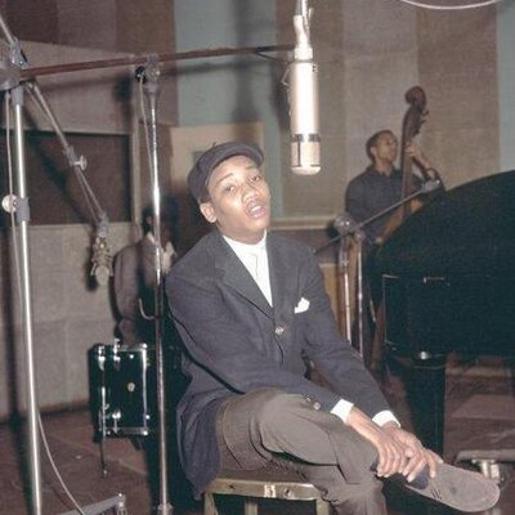
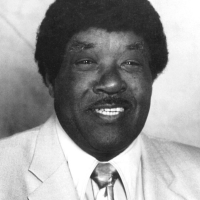
Bill Doggett’s Spotify BioWith his instrumental hit "Honky Tonk" in February 1956, Bill Doggett (born William Ballard Doggett) created one of rock's greatest instrumental tracks. Although it generated scores of offers to perform in rock & roll clubs throughout the United States, Doggett remained tied to the jazz and organ-based R&B that he had performed since the 1930s. Continuing to record for the Cincinnati-based King label until 1960, he went on to record for Warner Brothers, Columbia, ABC-Paramount and Sue. His last session came as a member and producer of an all-star jazz/R&B group, Bluesiana Hurricane in 1995.
Born on the north side of Philadelphia, Doggett struggled with poverty as a youngster. Although he initially dreamed of playing the trumpet, his family was unable to afford lessons. Persuaded by his mother (a church pianist), to try keyboards instead, he quickly mastered the instrument. Hailed as a child prodigy by his 13th birthday, he formed his first band, the Five Majors, at the age of 15.
Perform…ing with the Jimmy Gorman Band, the pit orchestra at the Nixon Grand Theater, while still in high school, Doggett assumed leadership of the group in 1938. The experience was brief, however, as Doggett sold the orchestra to Lucky Millinder, with whom he continued to work off and on for the next four years. He made his recording debut on Millinder's tracks, "Little Old Lady From Baltimore" and "All Aboard" in 1939.
Although he formed a short-lived orchestra with Benny Goodman's arranger, Jimmy Mundy, in late 1939, Doggett continued to work primarily as a sideman. Playing piano and arranging for the Ink Spots from 1942 until 1944, he went on to arrange tunes for Count Basie's band and tour and/or record with Coleman Hawkins, Johnny Otis, Wynonie Harris, Ella Fitzgerald and Lionel Hampton. Replacing Wild Bill Davis in Louis Jordan's band, in 1947, he appeared on the influential tunes, "Saturday Night Fish Fry" and "Blue Light Boogie." He made his debut as an organist during June 1951 recording sessions with Ella Fitzgerald.
Debuting his own organ-led combo at New York nightclub, the Baby Grand, in June 1952, Doggett recorded more than a dozen singles before striking gold with "Honky Tonk" four years later.
A longtime resident of Long Island, New York, Doggett died on November 13, 1996, three days after suffering a heart attack. ~ Craig Harris, Rovi
Viberate is a music analytics platform built for A&Rs, artist managers, labels, booking agents, marketers, and artists.
It helps music professionals track artist growth, analyze audience data, monitor playlist activity, compare artists, follow song performance, and identify opportunities across the music market.
Public artist pages provide a free preview of selected artist data. Paid plans provide access to deeper analytics, historical data, charts, comparisons, playlist tools, exports, alerts, reports, and additional professional features.
Yes. Public Viberate artist pages provide selected artist analytics and music data for free.
Viberate also offers a 7-day free trial of the full platform. A credit card is required to start the trial. The trial includes access to the complete product so users can test deeper artist analytics, historical views, playlist insights, comparisons, charts, exports, alerts, and reporting features before choosing a paid plan.
Viberate provides artist analytics across streaming, playlists, social media, video, radio airplay, songs, and audience markets.
Users can analyze Spotify performance, Spotify and Apple Music playlists, YouTube activity, TikTok and Instagram growth, radio spins, song performance, audience locations, demographics, rankings, and overall artist momentum.
Artist profiles also connect to music charts, similar artists, and comparison tools, helping users benchmark performance and evaluate artists in context.
Viberate updates key artist and track data daily.
For followed artists and tracks, selected data is refreshed multiple times per day. This helps teams monitor playlist changes, streaming movement, audience growth, releases, and campaign performance with more current data.
Update frequency can vary depending on the metric and data source.
Yes. Viberate lets users compare up to five artists side by side across streaming, social media, audience, and engagement metrics.
Users can compare fanbase growth, audience demographics, locations, Spotify performance, social metrics, and other artist data over selected time periods.
Artist comparison can be used for A&R scouting, benchmarking, booking decisions, campaign planning, and evaluating artists with similar audiences or market positions.