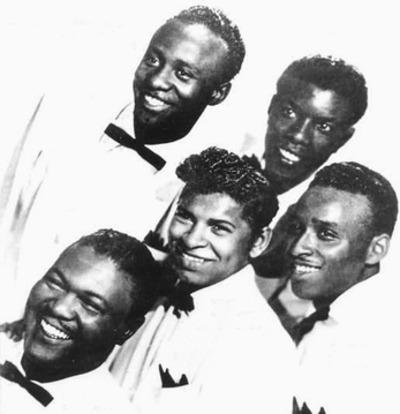
Chuck Willis

Blues
Classic Blues
Soul
 Viberate Rank: 137735
 Viberate Rank: 137735
 Monthly ListenersFollowers
 Subscribers
 Followers
 Followers
 FansTop Spotify Songs
| Track | 7-Day Streams | |
|---|---|---|
1 | 4.88K | |
2 | 2.50K | |
3 | 2.21K | |
4 | 2.21K | |
5 | 2.21K |
Top YouTube VideosMonthly ListenersFeatured in Playlists| Playlist | Followers | |
|---|---|---|
1 |  Best Low Rider Oldies🎭 truly | 82.65K |
2 |  Boerderij van Dorst BNNVARA | 47.46K |
3 | Blues Classics StevieAnn | 35.56K |
4 | Swing Dance Ivan Zdravkov | 25.88K |
5 |  swing dance party playlist alec augustine | 15.62K |
Audience| City | Monthly Listeners | |
|---|---|---|
1 | | 471 |
2 |  | 441 |
3 |  | 434 |
4 |  | 336 |
5 | | 336 |
See full performance history, audience data, playlist activity, rankings, comparisons, and more in Viberate music analytics. Start with a free trial, then continue with a paid plan.
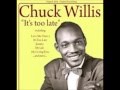
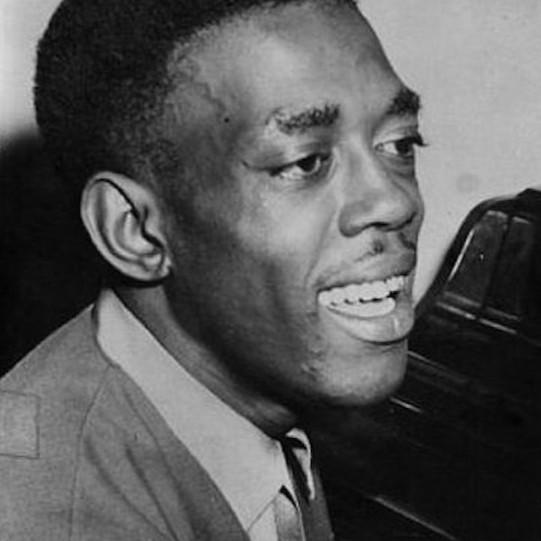
Chuck Willis’ Spotify BioThere were two distinct sides to Chuck Willis. In addition to being a convincing blues shouter, the Atlanta-born Willis harbored a vulnerable blues balladeer side. In addition, he was a masterful songwriter who penned some of the most distinctive R&B numbers of the 1950s. He can't be granted principal credit for his 1957 smash adaptation of "C.C. Rider," an irresistible update of a classic folk-blues, but Willis did write such gems as "I Feel So Bad" (later covered by Elvis Presley, Little Milton, and Otis Rush), the anguished ballads "Don't Deceive Me (Please Don't Go)" and "It's Too Late" (the latter attracting covers by Buddy Holly, Charlie Rich, and Otis Redding) and his swan song, "Hang Up My Rock and Roll Shoes."
Harold Willis (he adopted Chuck as a stage handle) received his early training singing at YMCA-sponsored "Teenage Canteens" in Atlanta and fronting the combos of local bandleaders Roy Mays and Red McAllister. Powerful DJ Zenas "Daddy" Sears took an interest in the young… vocalist's career, hooking him up with Columbia Records in 1951. After a solitary single for the major firm, Willis was shuttled over to its recently reactivated OKeh R&B subsidiary.
In 1952, he crashed the national R&B lists for OKeh with a typically plaintive ballad, "My Story," swiftly encoring on the hit parade with a gentle cover of Fats Domino's "Goin' to the River" and his own "Don't Deceive Me" the next year and "You're Still My Baby" and the surging Latin-beat "I Feel So Bad" in 1954. Willis also penned a heart-tugging chart-topper for Ruth Brown that year, "Oh What a Dream."
Willis moved over to Atlantic Records in 1956 and immediately enjoyed another round of hits with "It's Too Late" and "Juanita." Atlantic strove mightily to cross Willis over into pop territory, inserting an exotic steel guitar at one session and chirpy choirs on several more. The strategy eventually worked when his 1957 revival of the ancient "C.C. Rider" proved the perfect number to do the "Stroll" to; American Bandstand gave the track a big push, and Willis had his first R&B number one hit as well as a huge pop seller (Gene "Daddy G" Barge's magnificent sax solo likely aided its ascent).
Barge returned for Willis's similar follow-up, "Betty and Dupree," which also did well for him. But the turban-wearing crooner's time was growing short -- he had long suffered from ulcers prior to his 1958 death from peritonitis. Much has been made of the ironic title of his last hit, the touching "What Am I Living For," but it was no more a clue to his impending demise than its flip, the joyous "Hang Up My Rock and Roll Shoes." Both tracks became massive hits upon the singer's death, and his posthumous roll continued with "My Life" and a powerful "Keep A-Driving" later that year. ~ Bill Dahl, Rovi
Viberate is a music analytics platform built for A&Rs, artist managers, labels, booking agents, marketers, and artists.
It helps music professionals track artist growth, analyze audience data, monitor playlist activity, compare artists, follow song performance, and identify opportunities across the music market.
Public artist pages provide a free preview of selected artist data. Paid plans provide access to deeper analytics, historical data, charts, comparisons, playlist tools, exports, alerts, reports, and additional professional features.
Yes. Public Viberate artist pages provide selected artist analytics and music data for free.
Viberate also offers a 7-day free trial of the full platform. A credit card is required to start the trial. The trial includes access to the complete product so users can test deeper artist analytics, historical views, playlist insights, comparisons, charts, exports, alerts, and reporting features before choosing a paid plan.
Viberate provides artist analytics across streaming, playlists, social media, video, radio airplay, songs, and audience markets.
Users can analyze Spotify performance, Spotify and Apple Music playlists, YouTube activity, TikTok and Instagram growth, radio spins, song performance, audience locations, demographics, rankings, and overall artist momentum.
Artist profiles also connect to music charts, similar artists, and comparison tools, helping users benchmark performance and evaluate artists in context.
Viberate updates key artist and track data daily.
For followed artists and tracks, selected data is refreshed multiple times per day. This helps teams monitor playlist changes, streaming movement, audience growth, releases, and campaign performance with more current data.
Update frequency can vary depending on the metric and data source.
Yes. Viberate lets users compare up to five artists side by side across streaming, social media, audience, and engagement metrics.
Users can compare fanbase growth, audience demographics, locations, Spotify performance, social metrics, and other artist data over selected time periods.
Artist comparison can be used for A&R scouting, benchmarking, booking decisions, campaign planning, and evaluating artists with similar audiences or market positions.