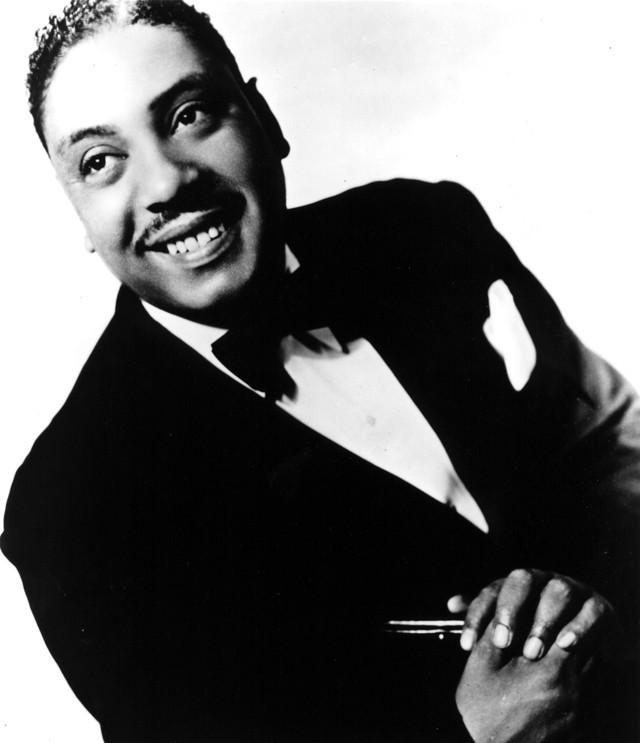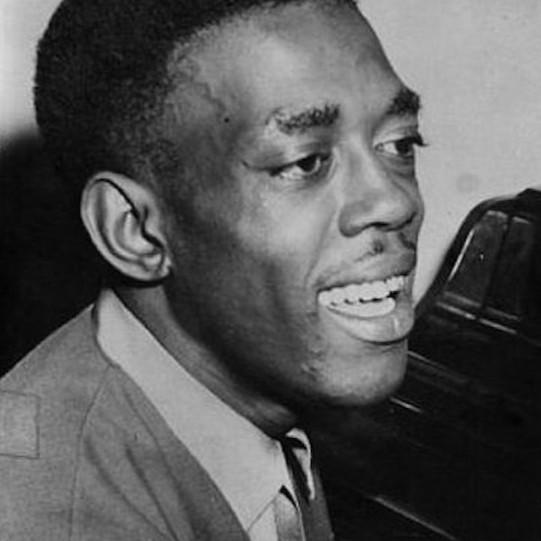
Rosco Gordon

Blues
Blues Rock
Jazz Fusion
 Viberate Rank: 128636
 Viberate Rank: 128636
 Monthly ListenersFollowers
 Subscribers
 Followers
 Followers
 FansTop Spotify Songs
| Track | 7-Day Streams | |
|---|---|---|
1 | 3.18K | |
2 | 2.71K | |
3 | 2.33K | |
4 | 2.16K | |
5 | 1.28K |
Top YouTube VideosMonthly ListenersFeatured in Playlists| Playlist | Followers | |
|---|---|---|
1 |  The Birth of Rhythm & Blues Spotify | 319.28K |
2 |  50s Party Spotify | 313.80K |
3 |  Radio New Vegas tamoreton | 74.21K |
4 | Boogie Woogie ! Sondre Olsen-Bye | 33.90K |
5 |  Essential Classics Essential Classics | 31.39K |
Audience| City | Monthly Listeners | |
|---|---|---|
1 |  | 330 |
2 |  | 321 |
3 | | 311 |
4 |  | 285 |
5 | | 225 |
See full performance history, audience data, playlist activity, rankings, comparisons, and more in Viberate music analytics. Start with a free trial, then continue with a paid plan.
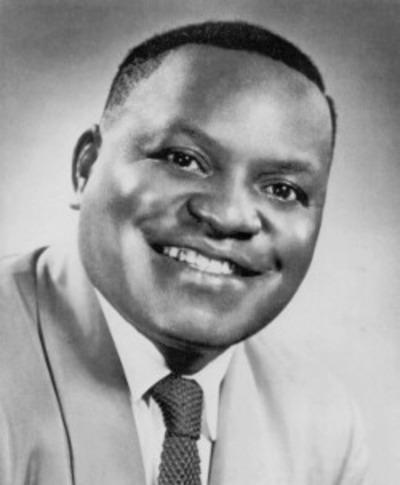
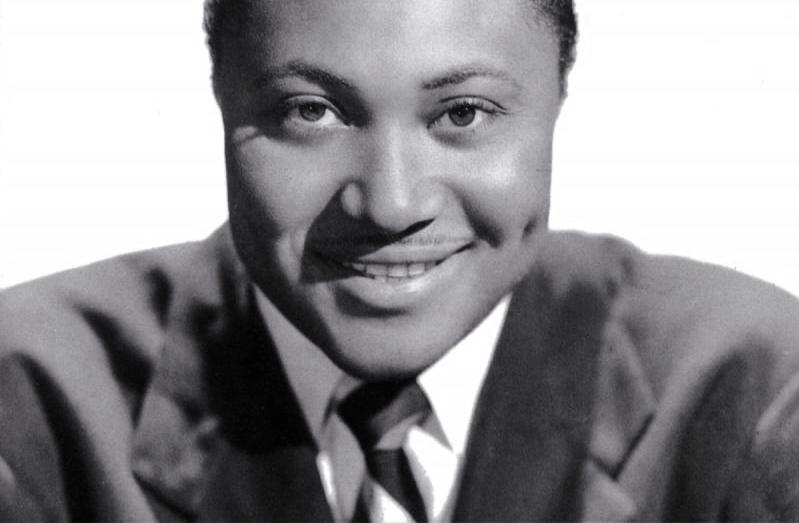
Rosco Gordon’s Spotify BioRosco Gordon was best known for being one of the progenitors of a slightly shambolic, loping style of piano shuffle called "Rosco's Rhythm." The basic elements of this sound were further developed after Jamaican musicians got a hold of 45s Gordon recorded in the early '50s -- which were not available to Jamaicans until 1959 -- and created ska, which took its name for the sound of this particular shuffle as it sounded being played on an electric guitar (ska-ska-ska).
No less an authority than Chris Blackwell -- he was the founder/president of Island Records who produced Bob Marley, the Wailers, and Peter Tosh, to name a few -- has cited Gordon's importance to reggae and ska music and championed the sound he helped create.
Gordon had originally been a member of the famed Beale Streeters, a Memphis, TN-based group that also featured the considerable talents of Johnny Ace, B.B. King, and Bobby "Blue" Bland, in the late '40s. They were scouted by none other than Ike Turner for Modern Records,… who recorded the Beale Streeters' first single in 1951.
Gordon was soon recording sides for Sam Phillips and his Sun Records label. Phillips later sold the master of Gordon's own "Bootin'" to two competing labels, Chess and RPM, both of whom released it as a single. This "mix-up" did not, however, prevent the song from hitting number one on the R&B chart in 1952.
The follow-up to "Bootin'," called "No More Doggin'," was the first song to feature the now-familiar shuffle rhythm of Gordon's design, with a strong accent on the off-beat that repeated the oft-monotonous guitar phrasing. Though Gordon had recorded the song in the living room of a friend's home, in fact, the sound was fully developed and unique for its time. On July 11, 2002, Gordon died of a heart attack at his home in Queens, New York. He was 74. ~ Bryan Thomas, Rovi
Viberate is a music analytics platform built for A&Rs, artist managers, labels, booking agents, marketers, and artists.
It helps music professionals track artist growth, analyze audience data, monitor playlist activity, compare artists, follow song performance, and identify opportunities across the music market.
Public artist pages provide a free preview of selected artist data. Paid plans provide access to deeper analytics, historical data, charts, comparisons, playlist tools, exports, alerts, reports, and additional professional features.
Yes. Public Viberate artist pages provide selected artist analytics and music data for free.
Viberate also offers a 7-day free trial of the full platform. A credit card is required to start the trial. The trial includes access to the complete product so users can test deeper artist analytics, historical views, playlist insights, comparisons, charts, exports, alerts, and reporting features before choosing a paid plan.
Viberate provides artist analytics across streaming, playlists, social media, video, radio airplay, songs, and audience markets.
Users can analyze Spotify performance, Spotify and Apple Music playlists, YouTube activity, TikTok and Instagram growth, radio spins, song performance, audience locations, demographics, rankings, and overall artist momentum.
Artist profiles also connect to music charts, similar artists, and comparison tools, helping users benchmark performance and evaluate artists in context.
Viberate updates key artist and track data daily.
For followed artists and tracks, selected data is refreshed multiple times per day. This helps teams monitor playlist changes, streaming movement, audience growth, releases, and campaign performance with more current data.
Update frequency can vary depending on the metric and data source.
Yes. Viberate lets users compare up to five artists side by side across streaming, social media, audience, and engagement metrics.
Users can compare fanbase growth, audience demographics, locations, Spotify performance, social metrics, and other artist data over selected time periods.
Artist comparison can be used for A&R scouting, benchmarking, booking decisions, campaign planning, and evaluating artists with similar audiences or market positions.