Big Maceo

Blues
Classic Blues
Jazz Fusion
 Viberate Rank: 328940
 Viberate Rank: 328940
 Monthly ListenersFollowers
 Subscribers
 Followers
 Followers
 FansTop Spotify Songs
| Track | 7-Day Streams | |
|---|---|---|
1 | 1.16K | |
2 | 371 | |
3 | 319 | |
4 | 226 | |
5 | 201 |
Top YouTube VideosMonthly ListenersFeatured in Playlists| Playlist | Followers | |
|---|---|---|
1 |  The Sound of Everything The Sounds of Spotify | 53.81K |
2 |  Essential Classics Essential Classics | 31.39K |
3 | Slow Blues The Blues Room | 28.09K |
4 | Top 10,000 Songs of All Time Acclaimed Music | 9.19K |
5 | Instrumental Blues Coco | 6.10K |
Audience| City | Monthly Listeners | |
|---|---|---|
1 |  | 47 |
2 |  | 44 |
3 |  | 34 |
4 | | 30 |
5 | | 30 |
See full performance history, audience data, playlist activity, rankings, comparisons, and more in Viberate music analytics. Start with a free trial, then continue with a paid plan.
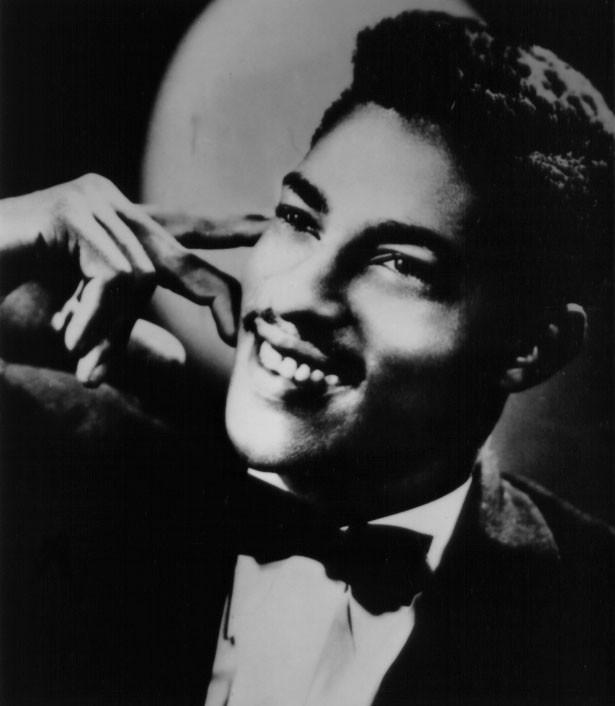
Big Maceo’s Spotify BioThe thundering 88s of Big Maceo Merriweather helped pave the way for the great Chicago blues pianists of the 1950s -- men like Johnny Jones, Otis Spann, and Henry Gray. Unfortunately, Merriweather wouldn't be around to enjoy their innovations -- he died a few years after suffering a debilitating stroke in 1946. Major Merriweather was already a seasoned pianist when he arrived in Detroit in 1924. After working around the Motor City scene, he ventured to Chicago in 1941 to make his recording debut for producer Lester Melrose and RCA Victor's Bluebird subsidiary. His first day in the studio produced 14 tracks -- six of his own and eight more as accompanist to renowned Chicago guitarist Tampa Red. One of his initial efforts, "Worried Life Blues," has passed into blues standard status (Chuck Berry was hip to it, covering it for Chess).
Merriweather remained Tampa Red's favorite pianistic accompanist after that, gigging extensively with him and Big Bill Broonzy on Chicago's South Side. The… pianist cut a series of terrific sessions as a leader for Bluebird in 1941-1942 and 1945 (the latter including his tour de force, "Chicago Breakdown") before the stroke paralyzed his right side. He tried to overcome it, cutting for Victor in 1947 with Eddie Boyd assuming piano duties and again for Specialty in 1949 with Johnny Jones at the stool. His health fading steadily after that, Merriweather died in 1953. ~ Bill Dahl, Rovi
Viberate is a music analytics platform built for A&Rs, artist managers, labels, booking agents, marketers, and artists.
It helps music professionals track artist growth, analyze audience data, monitor playlist activity, compare artists, follow song performance, and identify opportunities across the music market.
Public artist pages provide a free preview of selected artist data. Paid plans provide access to deeper analytics, historical data, charts, comparisons, playlist tools, exports, alerts, reports, and additional professional features.
Yes. Public Viberate artist pages provide selected artist analytics and music data for free.
Viberate also offers a 7-day free trial of the full platform. A credit card is required to start the trial. The trial includes access to the complete product so users can test deeper artist analytics, historical views, playlist insights, comparisons, charts, exports, alerts, and reporting features before choosing a paid plan.
Viberate provides artist analytics across streaming, playlists, social media, video, radio airplay, songs, and audience markets.
Users can analyze Spotify performance, Spotify and Apple Music playlists, YouTube activity, TikTok and Instagram growth, radio spins, song performance, audience locations, demographics, rankings, and overall artist momentum.
Artist profiles also connect to music charts, similar artists, and comparison tools, helping users benchmark performance and evaluate artists in context.
Viberate updates key artist and track data daily.
For followed artists and tracks, selected data is refreshed multiple times per day. This helps teams monitor playlist changes, streaming movement, audience growth, releases, and campaign performance with more current data.
Update frequency can vary depending on the metric and data source.
Yes. Viberate lets users compare up to five artists side by side across streaming, social media, audience, and engagement metrics.
Users can compare fanbase growth, audience demographics, locations, Spotify performance, social metrics, and other artist data over selected time periods.
Artist comparison can be used for A&R scouting, benchmarking, booking decisions, campaign planning, and evaluating artists with similar audiences or market positions.