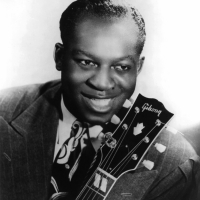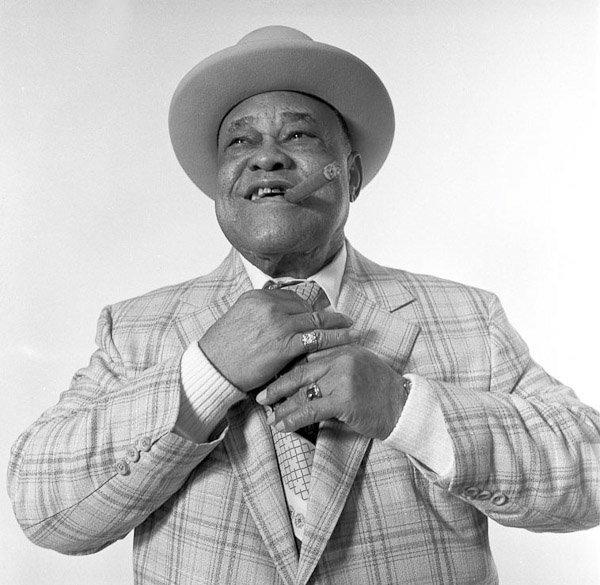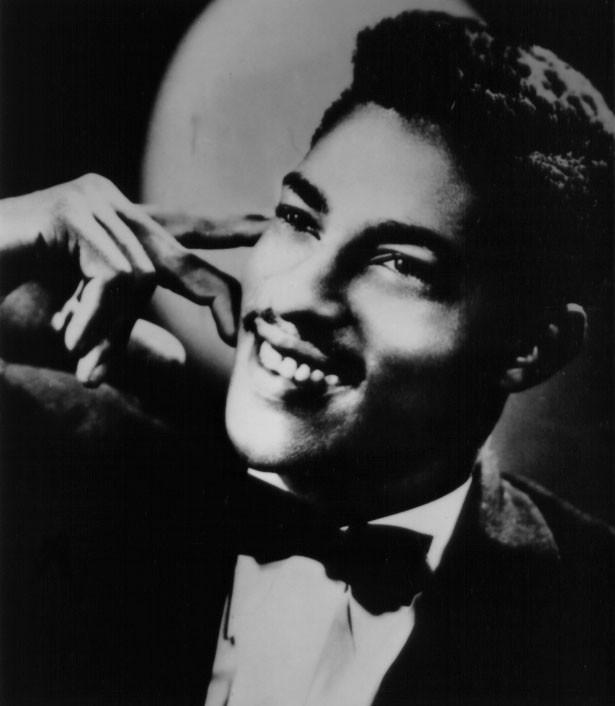
Willie Mabon

Blues
Classic Blues
 Viberate Rank: 297812
 Viberate Rank: 297812
 Monthly ListenersFollowers
 Subscribers
 Followers
 Followers
 FansTop Spotify Songs
| Track | 7-Day Streams | |
|---|---|---|
1 | 1.40K | |
2 | 377 | |
3 | 377 | |
4 | 329 | |
5 | 329 |
Top YouTube VideosMonthly ListenersFeatured in Playlists| Playlist | Followers | |
|---|---|---|
1 |  The Birth of Rhythm & Blues Spotify | 319.28K |
2 |  Essential Classics Essential Classics | 31.39K |
3 | 21f72cob23id3qkhxyiuxdyja | 31.15K |
4 | Slow Blues The Blues Room | 28.09K |
5 |  El Sótano de Radio 3 Groovyfamily | 9.84K |
Audience| City | Monthly Listeners | |
|---|---|---|
1 |  | 81 |
2 |  | 51 |
3 | | 51 |
4 |  | 50 |
5 | | 50 |
See full performance history, audience data, playlist activity, rankings, comparisons, and more in Viberate music analytics. Start with a free trial, then continue with a paid plan.
Willie Mabon’s Spotify BioThe sly, insinuating vocals and chunky piano style of Willie Mabon won the heart of many an R&B fan during the early '50s. His salty Chess waxings "I Don't Know," "I'm Mad," and "Poison Ivy" established the pianist as a genuine Chicago blues force, but he faded as an R&B hitmaker at the dawn of rock & roll. Mabon was already well-grounded in blues tradition from his Memphis upbringing when he hit Chicago in 1942. Schooled in jazz as well as blues, Mabon found the latter his ticket to stardom. His first sides were a 1949 78 for Apollo as Big Willie and some 1950 outings for Aristocrat and Chess with guitarist Earl Dranes as the Blues Rockers.
But Mabon's asking price for a night's work rose dramatically when his 1952 debut release on powerful Windy City DJ Al Benson's Parrot logo, "I Don't Know," topped the R&B charts for eight weeks after being sold to Chess. From then on, Mabon was a Chess artist, returning to the top R&B slot the next year with the ominous "I'm Mad" and cracking the… Top Ten anew with the Mel London-penned "Poison Ivy" in 1954. Throughout his Chess tenure, piano and sax were consistently to the fore rather than guitar and harp, emphasizing Mabon's cool R&B approach. His original version of Willie Dixon's hoodoo-driven "The Seventh Son" bombed in 1955, as did the remainder of his fine Chess catalog. Mabon never regained his momentum after leaving Chess. He stopped at Federal in 1957, Mad in 1960, Formal in 1962 (where he stirred up some local sales with his leering "Got to Have Some"), and USA in 1963-1964. Mabon sat out much of the late '60s but came back strong after moving to Paris in 1972, recording and touring Europe prolifically until his death. ~ Bill Dahl, Rovi
Viberate is a music analytics platform built for A&Rs, artist managers, labels, booking agents, marketers, and artists.
It helps music professionals track artist growth, analyze audience data, monitor playlist activity, compare artists, follow song performance, and identify opportunities across the music market.
Public artist pages provide a free preview of selected artist data. Paid plans provide access to deeper analytics, historical data, charts, comparisons, playlist tools, exports, alerts, reports, and additional professional features.
Yes. Public Viberate artist pages provide selected artist analytics and music data for free.
Viberate also offers a 7-day free trial of the full platform. A credit card is required to start the trial. The trial includes access to the complete product so users can test deeper artist analytics, historical views, playlist insights, comparisons, charts, exports, alerts, and reporting features before choosing a paid plan.
Viberate provides artist analytics across streaming, playlists, social media, video, radio airplay, songs, and audience markets.
Users can analyze Spotify performance, Spotify and Apple Music playlists, YouTube activity, TikTok and Instagram growth, radio spins, song performance, audience locations, demographics, rankings, and overall artist momentum.
Artist profiles also connect to music charts, similar artists, and comparison tools, helping users benchmark performance and evaluate artists in context.
Viberate updates key artist and track data daily.
For followed artists and tracks, selected data is refreshed multiple times per day. This helps teams monitor playlist changes, streaming movement, audience growth, releases, and campaign performance with more current data.
Update frequency can vary depending on the metric and data source.
Yes. Viberate lets users compare up to five artists side by side across streaming, social media, audience, and engagement metrics.
Users can compare fanbase growth, audience demographics, locations, Spotify performance, social metrics, and other artist data over selected time periods.
Artist comparison can be used for A&R scouting, benchmarking, booking decisions, campaign planning, and evaluating artists with similar audiences or market positions.