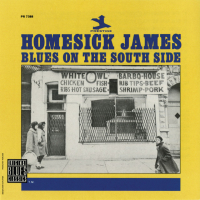
Homesick James

Blues
Classic Blues
Contemporary Blues
 Viberate Rank: 298100
 Viberate Rank: 298100
 Monthly ListenersFollowers
 Subscribers
 Followers
 Followers
 FansTop Spotify Songs
| Track | 7-Day Streams | |
|---|---|---|
1 | 544 | |
2 | 397 | |
3 | 338 | |
4 | 190 | |
5 | 176 |
Top YouTube VideosMonthly ListenersFeatured in Playlists| Playlist | Followers | |
|---|---|---|
1 | Slow Blues The Blues Room | 28.09K |
2 | Sad Blues For Bad Days Eduardo Serpa | 14.74K |
3 |  Blues Legends Breno | 7.61K |
4 |  WWOZ 90.7 FM (New Orleans Radio) Bryson Whitney | 6.48K |
5 | Instrumental Blues Coco | 6.10K |
Audience| City | Monthly Listeners | |
|---|---|---|
1 |  | 160 |
2 |  | 60 |
3 |  | 59 |
4 | | 50 |
5 | | 44 |
See full performance history, audience data, playlist activity, rankings, comparisons, and more in Viberate music analytics. Start with a free trial, then continue with a paid plan.
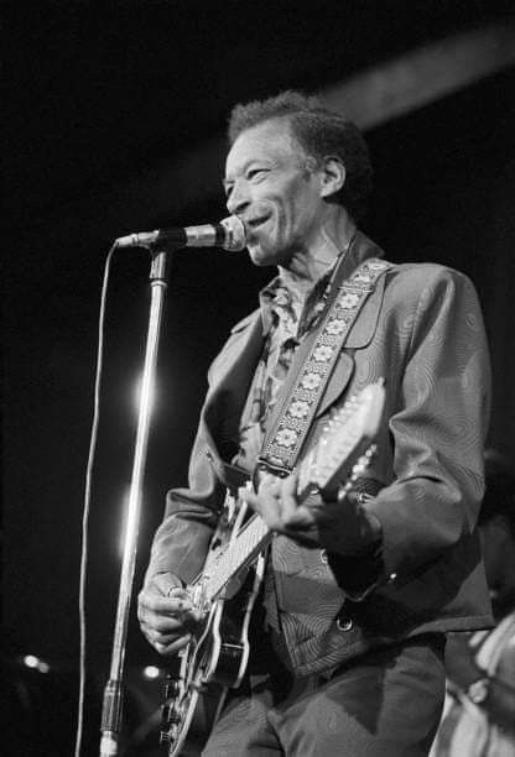
Homesick James’ Spotify BioSlide master Homesick James’ credentials were legend, starting from his Chicago sides in the 50’s with cousin Elmore James to recording LPs in the early 60s. Groups like Fleetwood Mac covered his tunes and by the early 90s Homesick had “retired” to his birthplace of Somerville Tennessee, 40 miles outside of Memphis.
It was here in a tin-roofed shack deep in the woods in 1995 that Tim Duffy, founder of Music Maker Foundation, brought his field recording gear to document a life that defines the wholly American art form we call the Blues.
Unencumbered by a ticking clock and free to say or play whatever he wanted, Homesick sat on his couch and delivered the unvarnished uncensored truth, writing: King Dracula, Take That Monkey Off My Back, Rock Headed Woman, Daddy Gotta Give It Away, Gotta Be a Redneck to Play Like That during the session. This is connoisseur quality blues, deep, wicked, painful and raw, nothing like what’s presented today as contemporary blues. It’s timeless at the same time… being immediate, raw and somehow refined.
Only an acoustic guitar and faithful slide accompany his ravaged voice except when he requested the assistance of the Tim Duffy on guitar and Ardie Dean on drums.
Viberate is a music analytics platform built for A&Rs, artist managers, labels, booking agents, marketers, and artists.
It helps music professionals track artist growth, analyze audience data, monitor playlist activity, compare artists, follow song performance, and identify opportunities across the music market.
Public artist pages provide a free preview of selected artist data. Paid plans provide access to deeper analytics, historical data, charts, comparisons, playlist tools, exports, alerts, reports, and additional professional features.
Yes. Public Viberate artist pages provide selected artist analytics and music data for free.
Viberate also offers a 7-day free trial of the full platform. A credit card is required to start the trial. The trial includes access to the complete product so users can test deeper artist analytics, historical views, playlist insights, comparisons, charts, exports, alerts, and reporting features before choosing a paid plan.
Viberate provides artist analytics across streaming, playlists, social media, video, radio airplay, songs, and audience markets.
Users can analyze Spotify performance, Spotify and Apple Music playlists, YouTube activity, TikTok and Instagram growth, radio spins, song performance, audience locations, demographics, rankings, and overall artist momentum.
Artist profiles also connect to music charts, similar artists, and comparison tools, helping users benchmark performance and evaluate artists in context.
Viberate updates key artist and track data daily.
For followed artists and tracks, selected data is refreshed multiple times per day. This helps teams monitor playlist changes, streaming movement, audience growth, releases, and campaign performance with more current data.
Update frequency can vary depending on the metric and data source.
Yes. Viberate lets users compare up to five artists side by side across streaming, social media, audience, and engagement metrics.
Users can compare fanbase growth, audience demographics, locations, Spotify performance, social metrics, and other artist data over selected time periods.
Artist comparison can be used for A&R scouting, benchmarking, booking decisions, campaign planning, and evaluating artists with similar audiences or market positions.