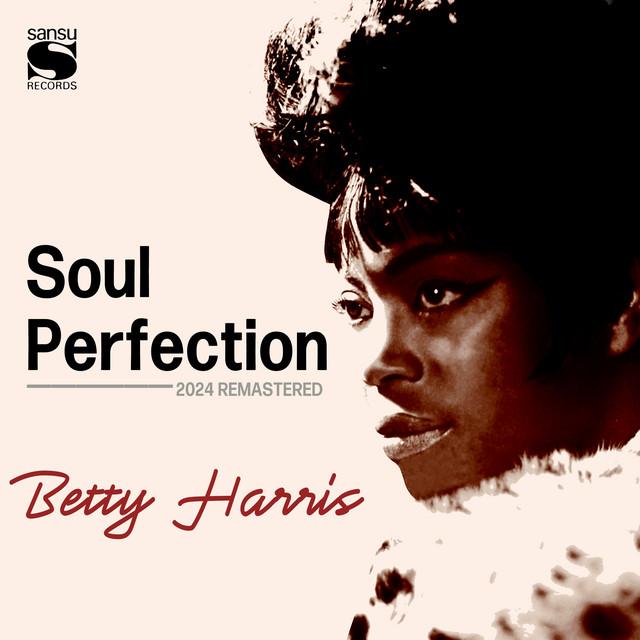
Betty Harris

R&B
Funk
Jazz Fusion
 Viberate Rank: 165476
 Viberate Rank: 165476
 Monthly ListenersFollowers
 Subscribers
 Followers
 Followers
 FansTop Spotify Songs
| Track | 7-Day Streams | |
|---|---|---|
1 | 2.57K | |
2 | 1.74K | |
3 | 1.20K | |
4 | 1.00K | |
5 | 975 |
Top YouTube VideosMonthly ListenersFeatured in Playlists| Playlist | Followers | |
|---|---|---|
1 |  🪐🪐🪐🪐🪐🪐🪐🪐☼:̴͓̞̑̌̂̆̊͋̀:̸͎̟̯̂̓̌:̶̢͙͙͕̠̩͆ ⃝🟠 ̴̤̻̀(̵̙̺̳̩͐͗́͑͋̓̕͜ͅ(̵̺͖̤͌͂͑̐̕o̶̢̘͔̒̈̑̒͊v̴̢͚͚͎͎̞͒͊̎ȯ̶̞̮͖̑̈́̿ ☼:̴͓̞̑̌̂̆̊͋̀:̸͎̟̯̂̓̌:̶̢͙͙͕̠̩͆(̷̮͍͚̫͚͂̍)̵̳̗̊( 🟠🟢⦿🔵🟡\̸̧͔̰̳̦̣̪̈̏̓ ̴̡̛̅͐͛̀̽/̶̱̼̣̤̰̲̣̈́̋͌̿̄̍̊\̴̲̣̝̀͜ͅ🔴🫧✨🫧 ̵̨̛̱̥͕́̎́̐͝/̸̠̜̅̐͊̋̿̐̓\̸̧͔̰̳̦̣̪̈̏̓ ̴̡̛̅͐͛̀̽🥏🟠/̶̱̼̣̤̰̲̣̈́̋͌̿̄̍̊\̴̲̣̝̀͜ͅ💥 ̸̝̮̟̹̀̆̋̿ ̴̤̻̀🥭(̵̙̺̳̩͐͗́͑͋̓̕͜ͅ(̵̺͖̤͌͂͑̐̕o̶̢̘͔̒̈̑̒͊🔵:̸͎̟̯̂̓̌:̶̢͙͙͕̠̩͆(̷̮͍͚̫͚͂̍)̵̳̗̊(🟠🪐 Four Tet | 210.49K |
2 | Unofficial Reverb Radio Jeff Ferruzzo | 21.82K |
3 | motown & northern soul Sandra Beijer | 18.43K |
4 | Motown, Funk, and Soul Megan | 16.11K |
5 |  Living In My Headphones James Lavelle (UNKLE) | 16.04K |
Audience| City | Monthly Listeners | |
|---|---|---|
1 |  | 583 |
2 |  | 296 |
3 | | 234 |
4 | | 202 |
5 | | 199 |
See full performance history, audience data, playlist activity, rankings, comparisons, and more in Viberate music analytics. Start with a free trial, then continue with a paid plan.
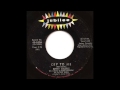
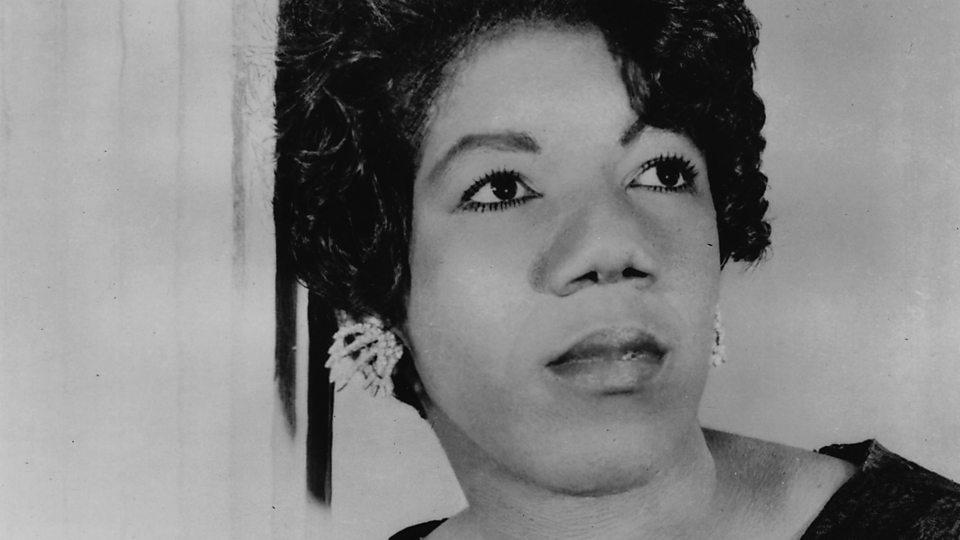
Betty Harris’ Spotify BioRenowned in deep soul circles for the devastating ballad "Cry to Me," singer Betty Harris was born in Orlando, Florida, in 1941 and raised primarily in Alabama. The child of preachers, her deep church roots conflicted with her desire to sing secular soul music, and at 17 she left home to pursue a performing career, briefly apprenticing under R&B star Big Maybelle before eventually landing in California, cutting the 1960 single "Taking Care of Business" for the Douglas label. Record promoter Babe Chivian recommended that Harris relocate to New York City, promising her an audition with Brill Building producer and songwriter Bert Berns. There she performed a slow, gospel-inspired rendition of "Cry to Me," an uptempo Berns-produced hit for Chivian's client Solomon Burke.
Berns immediately dispatched Harris to the recording studio, and in just three takes she wrapped "Cry to Me," issued on Jubilee in 1963. After the record became a New York radio smash, it broke nationally, cracking the R&B… Top Ten and the pop Top 40 in the process of surpassing Burke's original. Soon Harris headlined the legendary Apollo Theater, mounting a national tour after recording her Jubilee follow-up, "His Kiss." The single stiffed, however, and when "Mo Jo Hannah" met a similar fate, Berns opted to cut his losses.
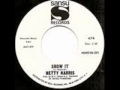
During a 1965 tour, Harris met New Orleans composer and producer Allen Toussaint, and with the superbly slinky "I'm Evil Tonight" became the first artist to record for his fledgling Sansu label. With Toussaint at the helm, the bluesy balladry of Harris' Jubilee sides gave way to a funky, sensual dynamic that heralded a new era of New Orleans R&B. The 1966 ballad "Sometime" was backed by the brilliant "I Don't Want to Hear It," Toussaint's edgiest and most aggressive production to date. The subsequent "12 Red Roses" further refined the approach, and with 1967's "Nearer to You," Harris finally returned to the R&B Top 20, delivering another sublimely emotional performance.
"Love Lots of Lovin'," a duet with fellow Toussaint charge Lee Dorsey, closed out the year -- Harris planned to support the record on tour with Otis Redding, but on December 10, the soul giant lost his life in a plane crash. Harris forged on, with 1968's "Mean Man" delivering her grittiest effort to date. Backed by a session group that would soon evolve into the Meters, she then ended her Sansu tenure with the fierce "Trouble with My Lover," reuniting with Toussaint for one final collaboration, the 1969 funk cult classic "There's a Break in the Road" (licensed to the SSS International label).
With her career at an impasse, Harris abruptly retired from performing in 1970. From there her legend grew, and rumors spread that she served as James Carr's road manager and even drove a tractor-trailer to make ends meet. In reality, Harris simply focused on raising her family, and while she shunned the music industry she continued singing in her church choir -- after settling in Hartford, Connecticut, in 1997, she even began offering vocal lessons. Still, Harris remained oblivious to the growing awe afforded her '60s output by soul aficionados, respect generated largely by an expanded U.K. reissue of the 1969 anthology Soul Perfection.
Then in 2001, her daughter found several Betty Harris fan sites on the Web, prompting the singer to join a soul mailing list to announce her present whereabouts. Her re-emergence caused a stir in deep soul circles, and soon Boston-based guitarist and producer Chris Stovall Brown offered to helm Harris' first recording session in 35 years. On April 17, 2005, she also headlined her first live appearance in over three decades, performing at a benefit for her daughter's Hartford alma mater. Weeks later, Harris performed at New Orleans' annual Ponderosa Stomp. In 2007, she released what was, amazingly, her first real studio album, the Jon Tiven-produced Intuition. During the following decade, the Soul Jazz label reissued her 1965-1969 sides as The Lost Queen of New Orleans Soul. ~ Jason Ankeny, Rovi
Viberate is a music analytics platform built for A&Rs, artist managers, labels, booking agents, marketers, and artists.
It helps music professionals track artist growth, analyze audience data, monitor playlist activity, compare artists, follow song performance, and identify opportunities across the music market.
Public artist pages provide a free preview of selected artist data. Paid plans provide access to deeper analytics, historical data, charts, comparisons, playlist tools, exports, alerts, reports, and additional professional features.
Yes. Public Viberate artist pages provide selected artist analytics and music data for free.
Viberate also offers a 7-day free trial of the full platform. A credit card is required to start the trial. The trial includes access to the complete product so users can test deeper artist analytics, historical views, playlist insights, comparisons, charts, exports, alerts, and reporting features before choosing a paid plan.
Viberate provides artist analytics across streaming, playlists, social media, video, radio airplay, songs, and audience markets.
Users can analyze Spotify performance, Spotify and Apple Music playlists, YouTube activity, TikTok and Instagram growth, radio spins, song performance, audience locations, demographics, rankings, and overall artist momentum.
Artist profiles also connect to music charts, similar artists, and comparison tools, helping users benchmark performance and evaluate artists in context.
Viberate updates key artist and track data daily.
For followed artists and tracks, selected data is refreshed multiple times per day. This helps teams monitor playlist changes, streaming movement, audience growth, releases, and campaign performance with more current data.
Update frequency can vary depending on the metric and data source.
Yes. Viberate lets users compare up to five artists side by side across streaming, social media, audience, and engagement metrics.
Users can compare fanbase growth, audience demographics, locations, Spotify performance, social metrics, and other artist data over selected time periods.
Artist comparison can be used for A&R scouting, benchmarking, booking decisions, campaign planning, and evaluating artists with similar audiences or market positions.