Eldridge Holmes

R&B
Soul
 Viberate Rank: 322609
 Viberate Rank: 322609
 Monthly ListenersFollowers
 Subscribers
 Followers
 Followers
 FansTop Spotify Songs
| Track | 7-Day Streams | |
|---|---|---|
1 | 305 | |
2 | 305 | |
3 | 266 | |
4 | 257 | |
5 | 257 |
Top YouTube VideosMonthly ListenersFeatured in Playlists| Playlist | Followers | |
|---|---|---|
1 | Motown, Funk, and Soul Megan | 16.11K |
2 |  Phish Walk-In & Setbreak Music - PART I juliamordaunt | 14.28K |
3 |  Morning Soul. Musical Metaphors | 13.53K |
4 |  New Orleans Funk diego319 | 8.19K |
5 |  The definitive Mod playlist Raquel ☘️ | 6.76K |
Audience| City | Monthly Listeners | |
|---|---|---|
1 |  | 61 |
2 |  | 39 |
3 | | 33 |
4 | | 33 |
5 | | 31 |
See full performance history, audience data, playlist activity, rankings, comparisons, and more in Viberate music analytics. Start with a free trial, then continue with a paid plan.
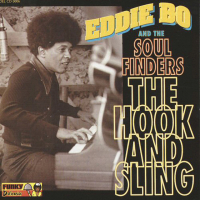
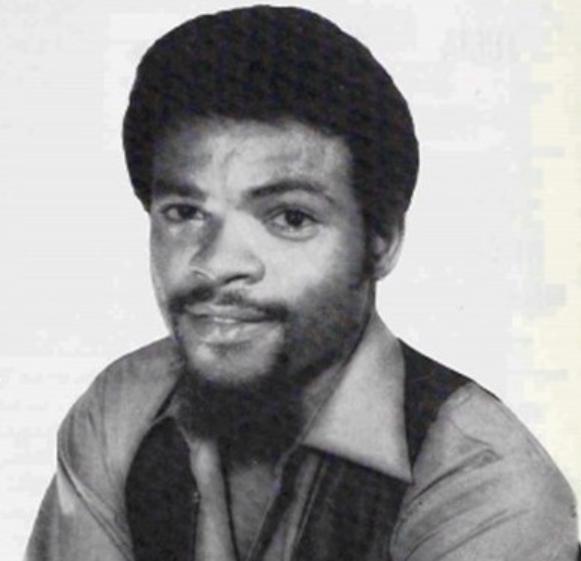
Eldridge Holmes’ Spotify BioNew Orleans soul singer Eldridge Holmes was born in Violet, Louisiana in 1942 -- according to an article on the Funky 16 Corners website, circa 1962 he began collaborating with producer Allen Toussaint, making his debut on Toussaint and Joe Banashak's Alon label with the single "Poor Me." The energetic "Begging for Your Love" soon followed, and with 1963's "I've Got to Keep on Trying," Holmes veered into country-soul territory. None of his Alon efforts generated any commercial interest, however, and after two more singles for the label, "Popcorn Pop Pop" and "Emperor Jones," Holmes left the label to hone a smoother, more urbane soul sound that would blossom on 1964's "Gone Gone Gone," the first of two Toussaint co-writes that he recorded for the Washington, D.C.-based Jet Set label. After the follow-up "Humpback" failed to ignite a new dance craze as hoped, Holmes signed with another of Toussaint's labels, Sansu, to release 1965's "Without a Word," his most elegant outing to date;… conversely, his second Sansu side, "Beverly," was his funkiest side yet, but despite the elasticity of his vocal and songwriting prowess, Holmes remained little known even in the Crescent City until his next single, 1967's "Where Is Love," issued on Toussaint's Deesu imprint. A major local favorite, the record was licensed for national distribution on Decca but went nowhere, nor did the follow-up, a cover of Lee Dorsey's "Working in a Coal Mine." Decca dropped Holmes soon after, and in 1969 he resurfaced on Deesu with "The Book," a blistering funk effort featuring the instrumental backing of the Meters; a sublime reading of Tim Hardin's "If I Were a Carpenter" appeared soon after, and with "Lovely Woman," a nod to the sweet soul of his Jet Set output, Holmes left Deesu for good. He next turned up on Atco with 1970s "Pop Popcorn Children," recorded with the Meters during their Look-Ka Py Py sessions; it was his lone effort for the label, and in 1972 Holmes reunited with Toussaint for the Wardell Quezergue-arranged "Love Affair," the first-ever release on the fledgling Brown Sugar label, and the singer's final recording. He went on to work as a bus driver, nursing assistant, and mechanic prior to his death from heart disease in 1998. ~ Jason Ankeny, Rovi
Viberate is a music analytics platform built for A&Rs, artist managers, labels, booking agents, marketers, and artists.
It helps music professionals track artist growth, analyze audience data, monitor playlist activity, compare artists, follow song performance, and identify opportunities across the music market.
Public artist pages provide a free preview of selected artist data. Paid plans provide access to deeper analytics, historical data, charts, comparisons, playlist tools, exports, alerts, reports, and additional professional features.
Yes. Public Viberate artist pages provide selected artist analytics and music data for free.
Viberate also offers a 7-day free trial of the full platform. A credit card is required to start the trial. The trial includes access to the complete product so users can test deeper artist analytics, historical views, playlist insights, comparisons, charts, exports, alerts, and reporting features before choosing a paid plan.
Viberate provides artist analytics across streaming, playlists, social media, video, radio airplay, songs, and audience markets.
Users can analyze Spotify performance, Spotify and Apple Music playlists, YouTube activity, TikTok and Instagram growth, radio spins, song performance, audience locations, demographics, rankings, and overall artist momentum.
Artist profiles also connect to music charts, similar artists, and comparison tools, helping users benchmark performance and evaluate artists in context.
Viberate updates key artist and track data daily.
For followed artists and tracks, selected data is refreshed multiple times per day. This helps teams monitor playlist changes, streaming movement, audience growth, releases, and campaign performance with more current data.
Update frequency can vary depending on the metric and data source.
Yes. Viberate lets users compare up to five artists side by side across streaming, social media, audience, and engagement metrics.
Users can compare fanbase growth, audience demographics, locations, Spotify performance, social metrics, and other artist data over selected time periods.
Artist comparison can be used for A&R scouting, benchmarking, booking decisions, campaign planning, and evaluating artists with similar audiences or market positions.