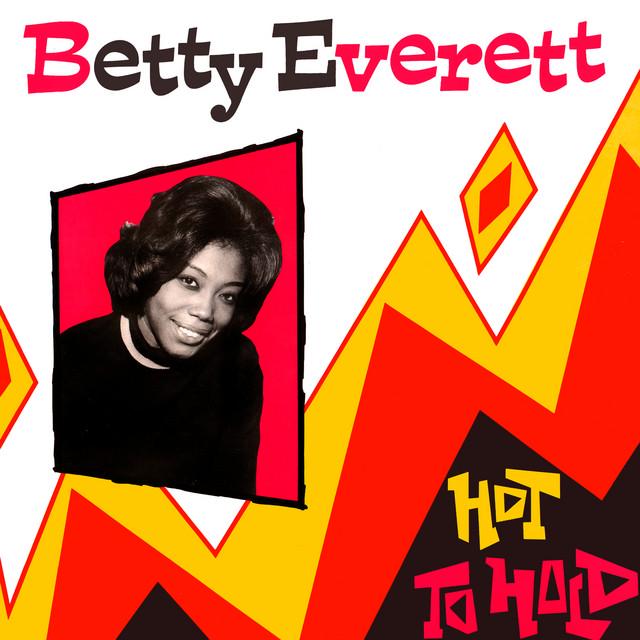
Betty Everett

R&B
Soul
 Viberate Rank: 68418
 Viberate Rank: 68418
 Monthly ListenersFollowers
 Subscribers
 Followers
 Followers
 FansTop Spotify Songs
| Track | 7-Day Streams | |
|---|---|---|
1 | 95.00K | |
2 | 9.44K | |
3 | 5.07K | |
4 | 3.80K | |
5 | 2.94K |
Top YouTube VideosMonthly ListenersFeatured in Playlists| Playlist | Followers | |
|---|---|---|
1 | Golden Oldies 50's & 60's - Best of 50s/60s. EN Greatest hits - Grandes éxitos de los años 50 y 60. Leticia-Recopilatorios | 198.74K |
2 |  50s housewife bangers🍸 caera | 93.16K |
3 | Lowrider oldies Pinchekodiak | 91.32K |
4 | lindalplaylists | 59.88K |
5 | Jazz · Blues · Soul · Funk · Swing Carles Sirvent | 59.35K |
Audience| City | Monthly Listeners | |
|---|---|---|
1 |  | 4.41K |
2 |  | 3.55K |
3 | | 3.51K |
4 | | 2.76K |
5 | | 2.70K |
See full performance history, audience data, playlist activity, rankings, comparisons, and more in Viberate music analytics. Start with a free trial, then continue with a paid plan.
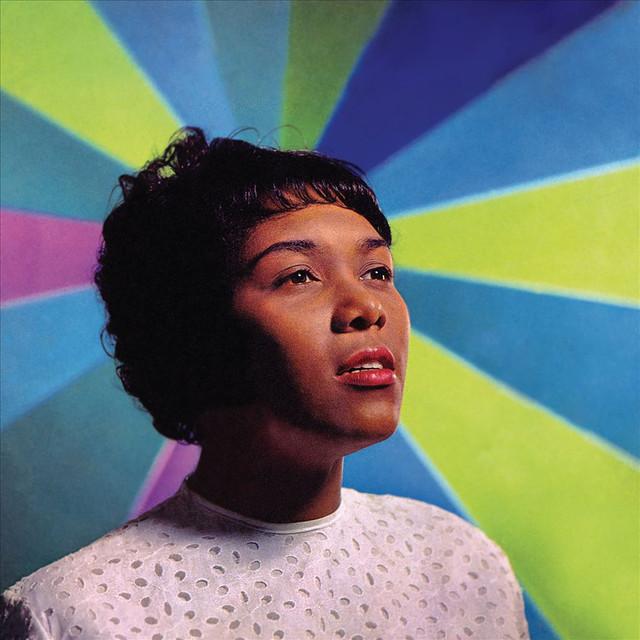
Betty Everett’s Spotify BioBetty Everett sang gospel growing up in Greenwood, MS, before relocating to Chicago and moving into secular music. She began recording for Cobra in 1958, then joined Vee-Jay in the early '60s and started to land hit records. Her original version of "You're No Good," though sung with fire and verve, didn't make much impact until it was turned into a number one pop hit by Linda Ronstadt in 1975. Her next single, "The Shoop Shoop Song (It's in His Kiss)," was her first major release, peaking at number six pop in 1964. Her next success was the duet "Let It Be Me" with Jerry Butler, a soul version of the Everly Brothers tune that reached number five R&B that same year. Everett's finest song as a solo act was 1969's "There'll Come a Time," which reached number two on the R&B charts and also cracked the pop Top 30 at number 26. Everett was now on Uni, where she remained until 1970. She continued recording for Fantasy until 1974 and made one other record for United Artists in 1978. A comeback… performance for the 2000 PBS special Doo Wop 51 was her last public appearance; she died at her Wisconsin home in August 2001. ~ Ron Wynn, Rovi
Viberate is a music analytics platform built for A&Rs, artist managers, labels, booking agents, marketers, and artists.
It helps music professionals track artist growth, analyze audience data, monitor playlist activity, compare artists, follow song performance, and identify opportunities across the music market.
Public artist pages provide a free preview of selected artist data. Paid plans provide access to deeper analytics, historical data, charts, comparisons, playlist tools, exports, alerts, reports, and additional professional features.
Yes. Public Viberate artist pages provide selected artist analytics and music data for free.
Viberate also offers a 7-day free trial of the full platform. A credit card is required to start the trial. The trial includes access to the complete product so users can test deeper artist analytics, historical views, playlist insights, comparisons, charts, exports, alerts, and reporting features before choosing a paid plan.
Viberate provides artist analytics across streaming, playlists, social media, video, radio airplay, songs, and audience markets.
Users can analyze Spotify performance, Spotify and Apple Music playlists, YouTube activity, TikTok and Instagram growth, radio spins, song performance, audience locations, demographics, rankings, and overall artist momentum.
Artist profiles also connect to music charts, similar artists, and comparison tools, helping users benchmark performance and evaluate artists in context.
Viberate updates key artist and track data daily.
For followed artists and tracks, selected data is refreshed multiple times per day. This helps teams monitor playlist changes, streaming movement, audience growth, releases, and campaign performance with more current data.
Update frequency can vary depending on the metric and data source.
Yes. Viberate lets users compare up to five artists side by side across streaming, social media, audience, and engagement metrics.
Users can compare fanbase growth, audience demographics, locations, Spotify performance, social metrics, and other artist data over selected time periods.
Artist comparison can be used for A&R scouting, benchmarking, booking decisions, campaign planning, and evaluating artists with similar audiences or market positions.