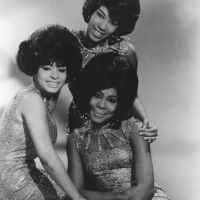
The Marvelettes

Pop
Mainstream Pop
Soul
 Viberate Rank: 27993
 Viberate Rank: 27993
 Monthly ListenersFollowers
 Subscribers
 Followers
 Followers
 FansTop Spotify Songs
| Track | 7-Day Streams | |
|---|---|---|
1 | 270.49K | |
2 | 30.84K | |
3 | 12.48K | |
4 | 7.81K | |
5 | 7.38K |
Top YouTube VideosMonthly ListenersFeatured in Playlists| Playlist | Followers | |
|---|---|---|
1 |  Feelin' Good Spotify | 3.58M |
2 |  Funk & Soul Classics Spotify | 1.91M |
3 |  Uplifting Soul Classics Spotify | 1.35M |
4 |  Soft 60s Spotify | 663.64K |
5 |  Motown Spotify | 498.37K |
Audience| City | Monthly Listeners | |
|---|---|---|
1 | | 17.58K |
2 |  | 16.66K |
3 |  | 10.13K |
4 | | 10.04K |
5 | | 9.50K |
See full performance history, audience data, playlist activity, rankings, comparisons, and more in Viberate music analytics. Start with a free trial, then continue with a paid plan.
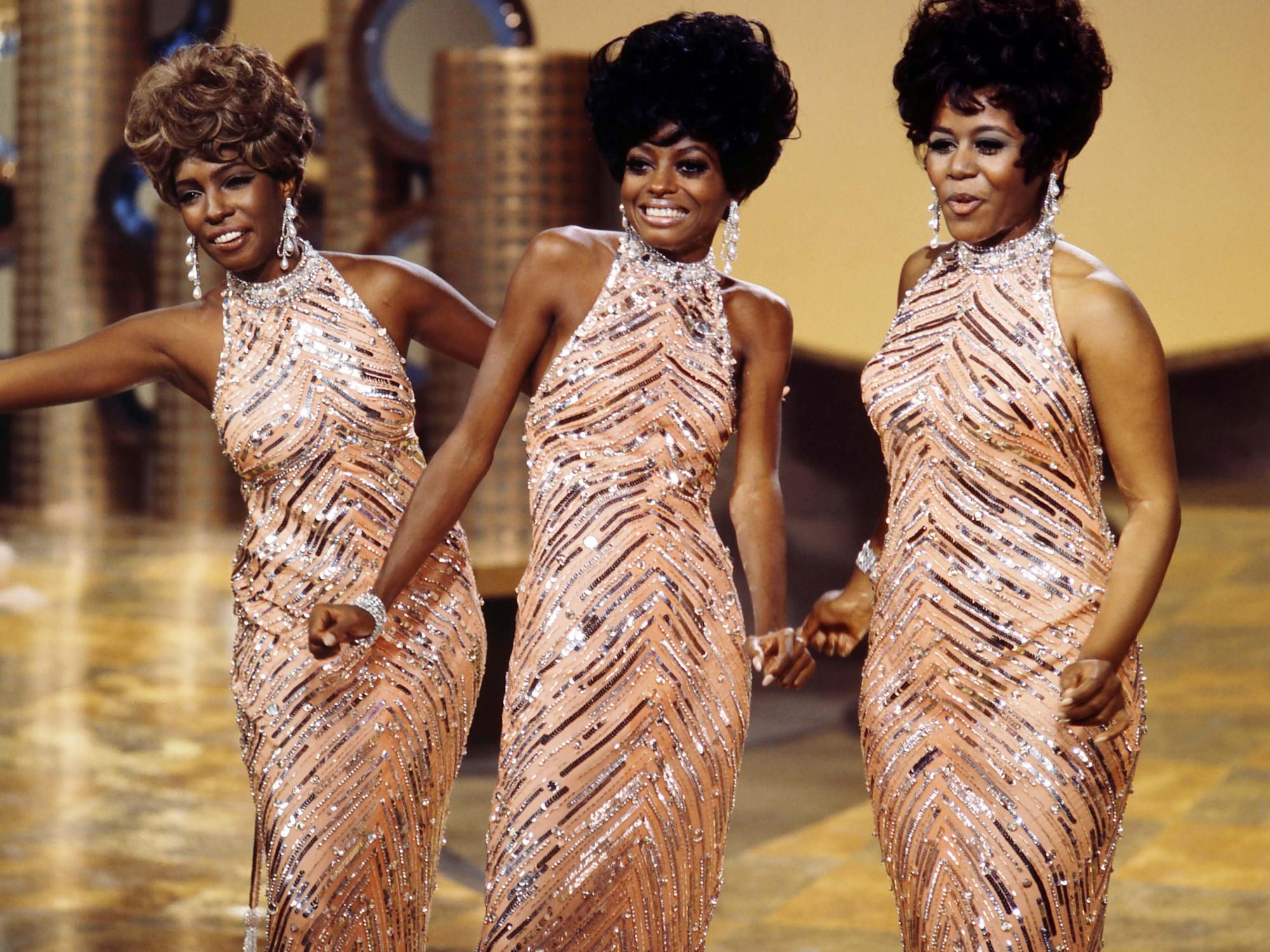
The Marvelettes’ Spotify BioProbably the most pop-oriented of Motown's major female acts, the Marvelettes didn't project as strong an identity as the Supremes, Mary Wells, or Martha Reeves, but recorded quite a few hits, including Motown's first number one single, "Please Mr. Postman" (1961). "Postman," as well as other chirpy early-'60s hits like "Playboy," "Twistin' Postman," and "Beechwood 4-5789," were the label's purest girl group efforts. Featuring two strong lead singers, Gladys Horton and Wanda Young, the Marvelettes went through five different lineups, but maintained a high standard on their recordings. After a few years, they moved from girl group sounds to uptempo and midtempo numbers that were more characteristic of Motown's production line. They received no small help from Smokey Robinson, who produced and wrote many of their singles; Holland-Dozier-Holland, Berry Gordy, Mickey Stevenson, Marvin Gaye, and Ashford-Simpson also got involved with the songwriting and production at various points. After… the mid-'60s Wanda Young assumed most of the lead vocal duties; Gladys Horton departed from the group in the late '60s. While the Marvelettes didn't cut as many monster smashes as most of their Motown peers after the early '60s, they did periodically surface with classic hits like "Too Many Fish in the Sea," "Don't Mess with Bill," and "The Hunter Gets Captured by the Game." There were also plenty of fine minor hits and misses, like 1965's "I'll Keep Holding On," which is just as memorable as the well-known Motown chart-toppers of the era. The group quietly disbanded in the early '70s after several years without a major hit. Wanda Young died on December 16, 2021 at the age of 78. Co-founder Katherine Anderson died on September 20, 2023; she was 79. ~ Richie Unterberger, Rovi
Viberate is a music analytics platform built for A&Rs, artist managers, labels, booking agents, marketers, and artists.
It helps music professionals track artist growth, analyze audience data, monitor playlist activity, compare artists, follow song performance, and identify opportunities across the music market.
Public artist pages provide a free preview of selected artist data. Paid plans provide access to deeper analytics, historical data, charts, comparisons, playlist tools, exports, alerts, reports, and additional professional features.
Yes. Public Viberate artist pages provide selected artist analytics and music data for free.
Viberate also offers a 7-day free trial of the full platform. A credit card is required to start the trial. The trial includes access to the complete product so users can test deeper artist analytics, historical views, playlist insights, comparisons, charts, exports, alerts, and reporting features before choosing a paid plan.
Viberate provides artist analytics across streaming, playlists, social media, video, radio airplay, songs, and audience markets.
Users can analyze Spotify performance, Spotify and Apple Music playlists, YouTube activity, TikTok and Instagram growth, radio spins, song performance, audience locations, demographics, rankings, and overall artist momentum.
Artist profiles also connect to music charts, similar artists, and comparison tools, helping users benchmark performance and evaluate artists in context.
Viberate updates key artist and track data daily.
For followed artists and tracks, selected data is refreshed multiple times per day. This helps teams monitor playlist changes, streaming movement, audience growth, releases, and campaign performance with more current data.
Update frequency can vary depending on the metric and data source.
Yes. Viberate lets users compare up to five artists side by side across streaming, social media, audience, and engagement metrics.
Users can compare fanbase growth, audience demographics, locations, Spotify performance, social metrics, and other artist data over selected time periods.
Artist comparison can be used for A&R scouting, benchmarking, booking decisions, campaign planning, and evaluating artists with similar audiences or market positions.