The Exciters

R&B
Funk
Contemporary R&B
Soul
 Viberate Rank: 102987
 Viberate Rank: 102987
 Monthly ListenersFollowers
 Subscribers
 Followers
 Followers
 FansTop Spotify Songs
| Track | 7-Day Streams | |
|---|---|---|
1 | 55.66K | |
2 | 5.26K | |
3 | 1.81K | |
4 | 1.81K | |
5 | 1.58K |
Top YouTube VideosMonthly ListenersFeatured in Playlists| Playlist | Followers | |
|---|---|---|
1 |  Oldies Best songs 80s, 70s, 60s / Throwbacks HITS / 💿 indiemono | 446.42K |
2 |  Easy 60s Spotify | 366.22K |
3 |  60s Party Spotify | 344.29K |
4 | Golden Oldies 50's & 60's - Best of 50s/60s. EN Greatest hits - Grandes éxitos de los años 50 y 60. Leticia-Recopilatorios | 198.94K |
5 |  50s housewife bangers🍸 caera | 93.16K |
Audience| City | Monthly Listeners | |
|---|---|---|
1 |  | 3.03K |
2 | | 3.02K |
3 |  | 2.37K |
4 | | 2.28K |
5 | | 1.53K |
See full performance history, audience data, playlist activity, rankings, comparisons, and more in Viberate music analytics. Start with a free trial, then continue with a paid plan.
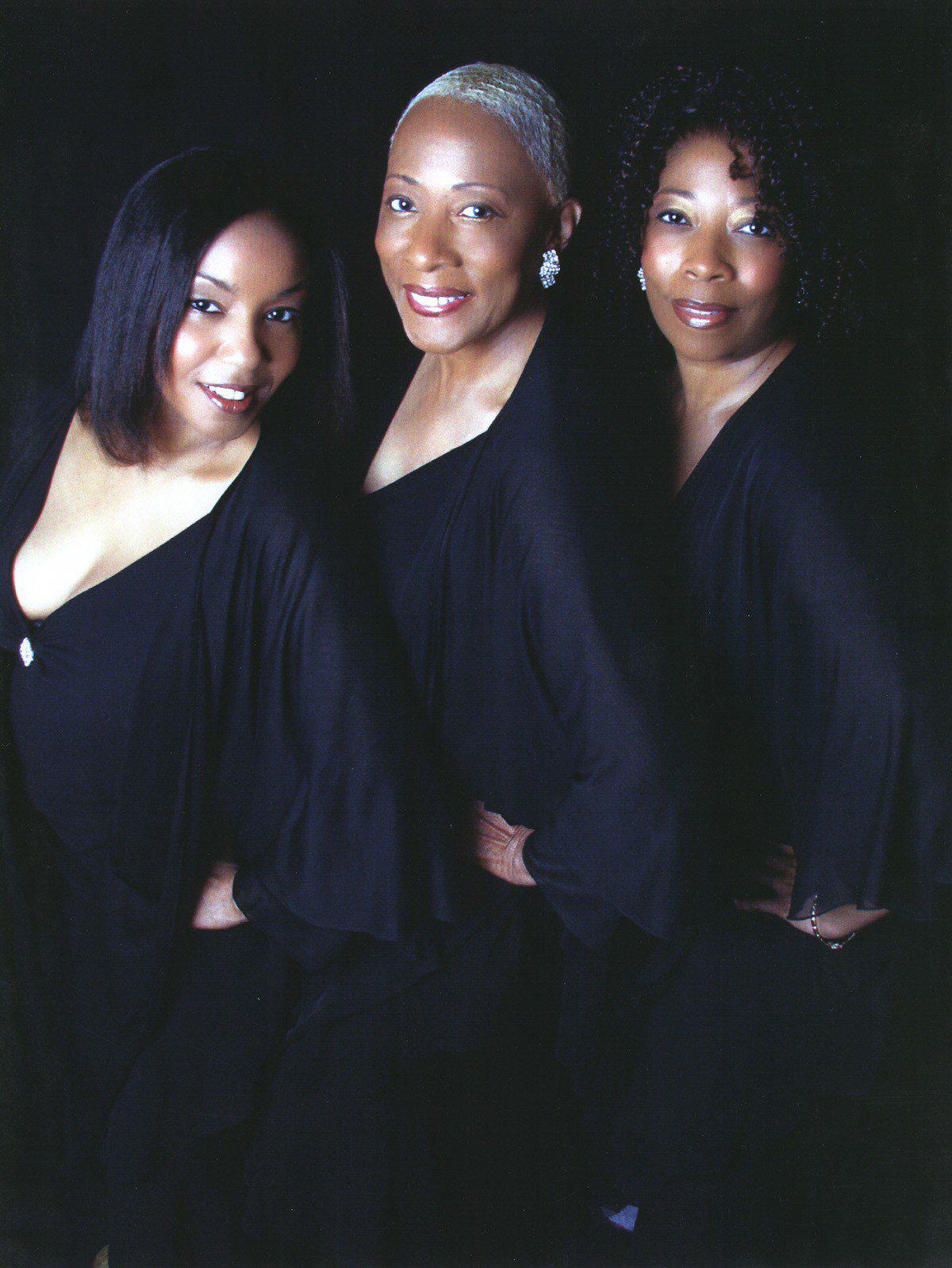
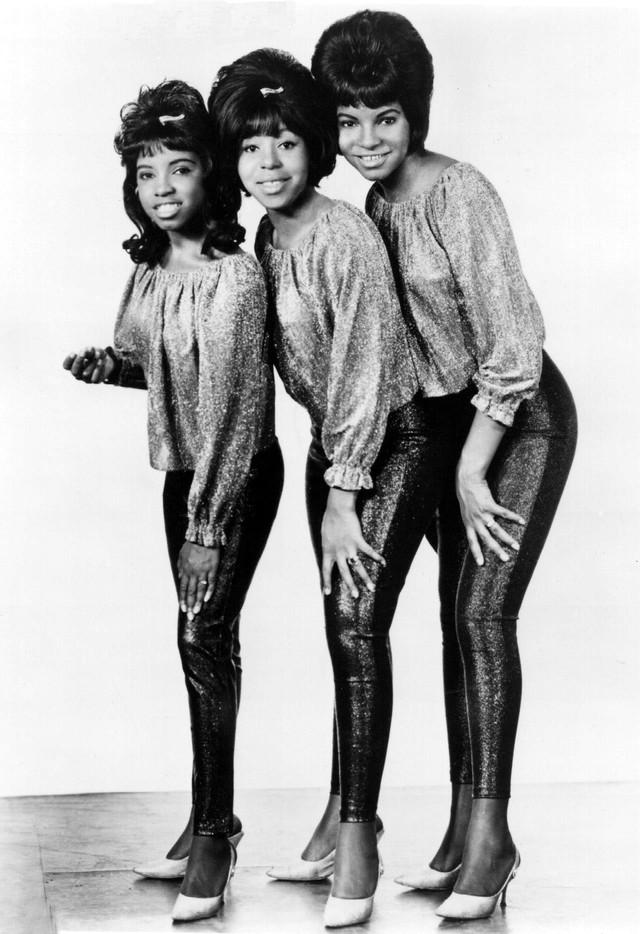
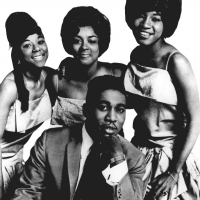
The Exciters’ Spotify BioWith their no-nonsense, street-smart approach, the Exciters ushered in the heyday of the girl group sound with the 1962 classic "Tell Him." Queens, New York classmates Brenda Reid, Carol Johnson, Lillian Walker, and Sylvia Wilbur formed the group in 1961 when they were all 17 years old. Originally dubbed the Masterettes, they were the sister act to the Masters, a local doo wop quintet with the End Records single "A Man Is Not Supposed to Cry" to its credit. When the Masters secured a record deal with the Le Sage label, they wrangled session time for the Masterettes as well, and in early 1962 the group issued its debut effort, "Follow the Leader."
Wilbur left the lineup soon after, and with replacement Penny Carter, the Masterettes auditioned for the famed writing/producing duo of Jerry Leiber and Mike Stoller -- Carter's tenure with the group proved brief, however, and following creative differences with his bandmates, Masters member Herb Rooney signed on with the Masterettes in time… for their first session for United Artists. Galvanized by Reid's aggressive lead vocal, "Tell Him" -- credited to the Exciters, a moniker devised by Leiber & Stoller -- hit radio and retail in the fall of 1962, reaching the Top Five on the Billboard pop and R&B charts early the following year. Eschewing the demure puppy-love sensibilities of previous girl group records, "Tell Him" boasted an intensity that signified a sea change in the presentation and perception of femininity in popular music, paving the way for such tough, sexy acts as the Shangri-Las and the Ronettes.
The Exciters resurfaced in the spring of 1963 with "He's Got the Power." Although it was as potent (if not more so) than "Tell Him," the single sputtered to a halt at number 57 on the Billboard chart, portending the commercial frustrations that dogged the group despite the uncommon quality of their output. The third Exciters single, "Get Him," climbed only as high as number 76, two spots better than its follow-up, the Ellie Greenwich/Jeff Barry-penned "Do Wah Diddy" -- British Invasion combo Manfred Mann nevertheless heard the song and recorded their own cover version, scoring an international number one smash just months later. After one last United Artists release, "Havin' My Fun," in 1965, the Exciters signed with Roulette Records to remake Frankie Lymon & the Teenagers' "I Want You to Be My Boy."
Early the following year, the group scored one last minor hit, a reading of the Jarmels' "A Little Bit of Soap," but its commercial heyday was over. The Exciters nevertheless continued recording throughout the decade for labels including Bang, Shout, and RCA Victor. Reid and Rooney, who had wed in 1964, continued leading the group long after Johnson and Walker broke ranks. After recording a handful of disco-era singles under the name Brenda & Herb, the couple finally eased into retirement. In the mid-'80s they separated, and while Rooney founded his own cosmetics firm, Reid launched a new Exciters with members of her family. Lillian Walker died on February 5, 2023 while in treatment for angiosarcoma; she was 78 years old. ~ Jason Ankeny, Rovi
Viberate is a music analytics platform built for A&Rs, artist managers, labels, booking agents, marketers, and artists.
It helps music professionals track artist growth, analyze audience data, monitor playlist activity, compare artists, follow song performance, and identify opportunities across the music market.
Public artist pages provide a free preview of selected artist data. Paid plans provide access to deeper analytics, historical data, charts, comparisons, playlist tools, exports, alerts, reports, and additional professional features.
Yes. Public Viberate artist pages provide selected artist analytics and music data for free.
Viberate also offers a 7-day free trial of the full platform. A credit card is required to start the trial. The trial includes access to the complete product so users can test deeper artist analytics, historical views, playlist insights, comparisons, charts, exports, alerts, and reporting features before choosing a paid plan.
Viberate provides artist analytics across streaming, playlists, social media, video, radio airplay, songs, and audience markets.
Users can analyze Spotify performance, Spotify and Apple Music playlists, YouTube activity, TikTok and Instagram growth, radio spins, song performance, audience locations, demographics, rankings, and overall artist momentum.
Artist profiles also connect to music charts, similar artists, and comparison tools, helping users benchmark performance and evaluate artists in context.
Viberate updates key artist and track data daily.
For followed artists and tracks, selected data is refreshed multiple times per day. This helps teams monitor playlist changes, streaming movement, audience growth, releases, and campaign performance with more current data.
Update frequency can vary depending on the metric and data source.
Yes. Viberate lets users compare up to five artists side by side across streaming, social media, audience, and engagement metrics.
Users can compare fanbase growth, audience demographics, locations, Spotify performance, social metrics, and other artist data over selected time periods.
Artist comparison can be used for A&R scouting, benchmarking, booking decisions, campaign planning, and evaluating artists with similar audiences or market positions.