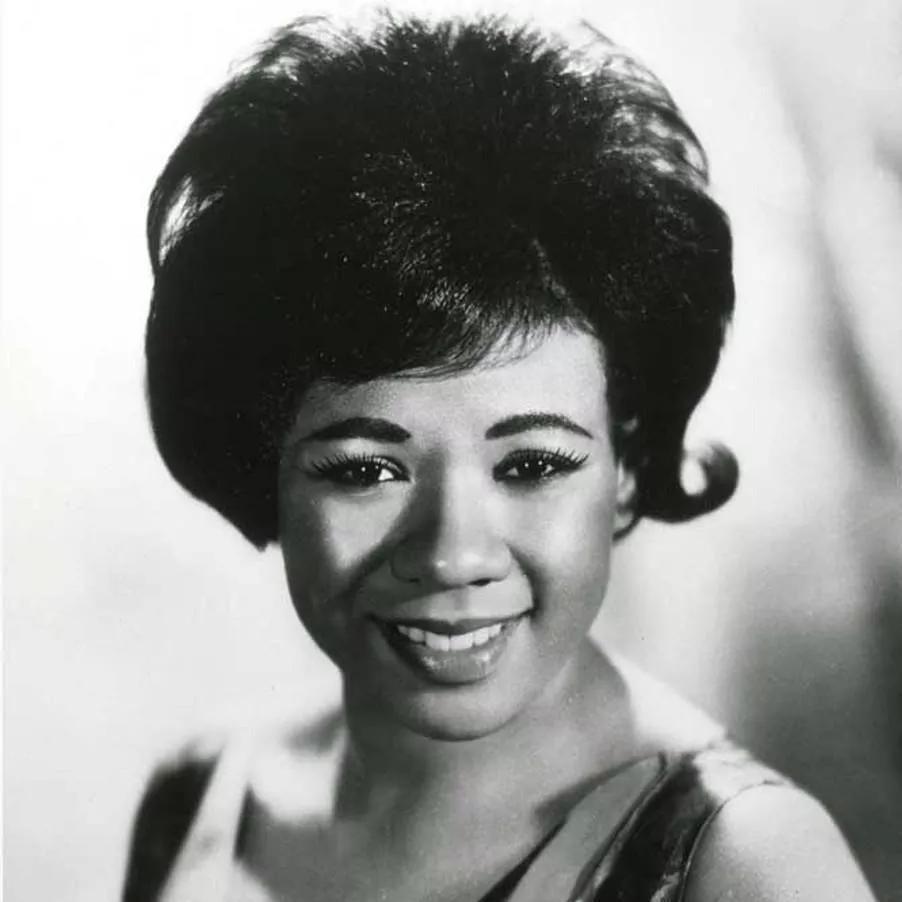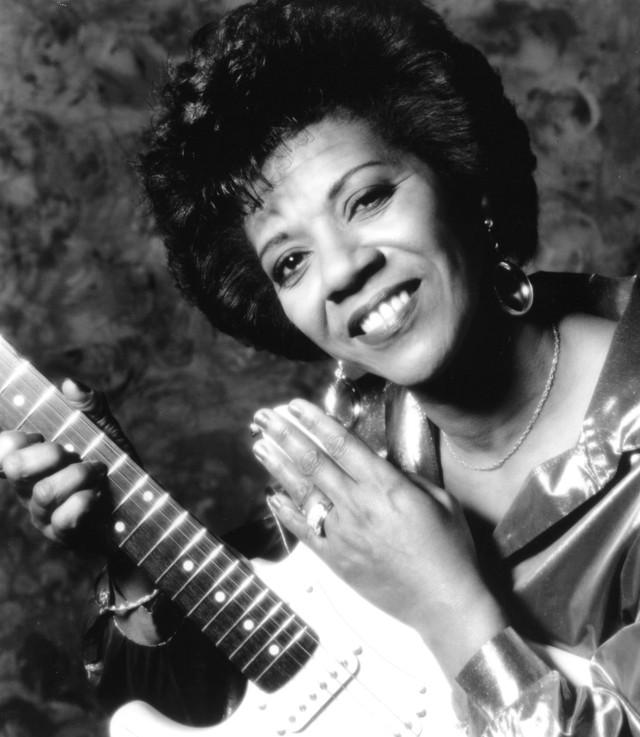
Barbara Lynn

R&B
Soul
Contemporary R&B
Contemporary Blues
 Viberate Rank: 89479
 Viberate Rank: 89479
 Monthly ListenersFollowers
 Subscribers
 Followers
 Followers
 FansTop Spotify Songs
| Track | 7-Day Streams | |
|---|---|---|
1 | 9.07K | |
2 | 6.71K | |
3 | 5.80K | |
4 | 5.15K | |
5 | 4.91K |
Top YouTube VideosMonthly ListenersFeatured in Playlists| Playlist | Followers | |
|---|---|---|
1 |  Soft 60s Spotify | 663.53K |
2 |  Sad Soul Spotify | 385.98K |
3 |  Nu-Blue Spotify | 159.86K |
4 |  Lowrider Crusin' Spotify | 144.17K |
5 | Lowrider oldies Pinchekodiak | 91.32K |
Audience| City | Monthly Listeners | |
|---|---|---|
1 | | 25.31K |
2 | | 9.77K |
3 | | 7.39K |
4 | | 7.17K |
5 | | 6.94K |
See full performance history, audience data, playlist activity, rankings, comparisons, and more in Viberate music analytics. Start with a free trial, then continue with a paid plan.
Barbara Lynn’s Spotify BioSinger/guitarist Barbara Lynn was a rare commodity during her heyday. Not only was she a female instrumentalist (one of the very first to hit the charts), but she also played left-handed -- quite well at that -- and even wrote some of her own material. Lynn's music often straddled the line between blues and Southern R&B, and since much of her early work -- including the number one R&B hit "You'll Lose a Good Thing" -- was recorded in New Orleans, it bore the sonic imprint of the Crescent City. Lynn was born Barbara Lynn Ozen in Beaumont, TX, on January 16, 1942; she played the piano as a child before switching to guitar, inspired by Elvis Presley. In junior high, Lynn formed her own band, Bobbie Lynn and the Idols; at this point, her musical role models veered between bluesmen (Guitar Slim, Jimmy Reed) and female pop singers (Brenda Lee, Connie Francis). After winning a few talent shows and playing some teen dances, the still-underage Lynn started working the local clubs and juke… joints, risking getting kicked out of school if she had been discovered. Singer Joe Barry caught her live act and recommended her to his friend, producer/impresario Huey P. Meaux, aka the Crazy Cajun.
With her parents' consent, Meaux brought Lynn to New Orleans to record at the legendary Cosimo's studio. Lynn cut a few singles for the Jamie label with the understanding that if none hit, she was to attend college instead of pursuing music right off the bat. In 1962, her self-penned ballad "You'll Lose a Good Thing" became a national hit, reaching the pop Top Ten and climbing all the way to number one on the R&B charts. Her first album (of the same name) was also released that year, featuring ten of her originals among its 12 tracks. Lynn continued to record for Jamie up through 1965, producing follow-up R&B hits like "You're Gonna Need Me" and "Oh Baby (We Got a Good Thing Goin')," the latter of which was recorded by the Rolling Stones in 1965. In 1966, Lynn switched over to Meaux's Tribe label and cut "You Left the Water Running," which became something of an R&B standard and was covered by the likes of Otis Redding. In 1967, she signed with Atlantic and had another R&B hit with "This Is the Thanks I Get" early the following year; she also issued another album, Here Is Barbara Lynn, in 1968. Lynn scored one last hit for Atlantic in 1972's "(Until Then) I'll Suffer," but by this point, she had several children to worry about raising; dissatisfied with her promotion anyway, she wound up effectively retiring from the music business for most of the '70s and '80s, though she did play the occasional low-key tour.
Lynn returned to music in the mid-'80s, touring Japan for the first time in 1984; she later cut a live album there, called You Don't Have to Go, which was eventually issued in the States by Ichiban. Lynn had managed to retain a cult following among connoisseurs of American soul and blues in several different pockets of the world, and toured internationally during the early '90s. In 1994, Bullseye Blues issued her first full-fledged studio album in over two decades, So Good; Until Then I'll Suffer followed in 1996. Lynn later caught on with the respected blues label Antone's, and in 2000 she cut Hot Night Tonight, which featured a couple of raps by her son Bachelor Wise. ~ Steve Huey, Rovi
Viberate is a music analytics platform built for A&Rs, artist managers, labels, booking agents, marketers, and artists.
It helps music professionals track artist growth, analyze audience data, monitor playlist activity, compare artists, follow song performance, and identify opportunities across the music market.
Public artist pages provide a free preview of selected artist data. Paid plans provide access to deeper analytics, historical data, charts, comparisons, playlist tools, exports, alerts, reports, and additional professional features.
Yes. Public Viberate artist pages provide selected artist analytics and music data for free.
Viberate also offers a 7-day free trial of the full platform. A credit card is required to start the trial. The trial includes access to the complete product so users can test deeper artist analytics, historical views, playlist insights, comparisons, charts, exports, alerts, and reporting features before choosing a paid plan.
Viberate provides artist analytics across streaming, playlists, social media, video, radio airplay, songs, and audience markets.
Users can analyze Spotify performance, Spotify and Apple Music playlists, YouTube activity, TikTok and Instagram growth, radio spins, song performance, audience locations, demographics, rankings, and overall artist momentum.
Artist profiles also connect to music charts, similar artists, and comparison tools, helping users benchmark performance and evaluate artists in context.
Viberate updates key artist and track data daily.
For followed artists and tracks, selected data is refreshed multiple times per day. This helps teams monitor playlist changes, streaming movement, audience growth, releases, and campaign performance with more current data.
Update frequency can vary depending on the metric and data source.
Yes. Viberate lets users compare up to five artists side by side across streaming, social media, audience, and engagement metrics.
Users can compare fanbase growth, audience demographics, locations, Spotify performance, social metrics, and other artist data over selected time periods.
Artist comparison can be used for A&R scouting, benchmarking, booking decisions, campaign planning, and evaluating artists with similar audiences or market positions.