Patti Drew

R&B
Soul
Contemporary R&B
 Viberate Rank: 106273
 Viberate Rank: 106273
 Monthly ListenersFollowers
 Subscribers
 Followers
 Followers
 FansTop Spotify Songs
| Track | 7-Day Streams | |
|---|---|---|
1 | 81.38K | |
2 | 25.50K | |
3 | 4.72K | |
4 | 2.03K | |
5 | 986 |
Top YouTube VideosMonthly ListenersFeatured in Playlists| Playlist | Followers | |
|---|---|---|
1 |  Lowrider Crusin' Spotify | 144.17K |
2 | Lowrider oldies Pinchekodiak | 91.32K |
3 |  Best Low Rider Oldies🎭 truly | 82.65K |
4 |  Chicano Oldies DCCII.Angel | 81.36K |
5 | Oldies Chicanos Love 💕🇲🇽🇺🇸 Aymé💘 | 73.08K |
Audience| City | Monthly Listeners | |
|---|---|---|
1 | | 22.12K |
2 | | 6.96K |
3 | | 6.77K |
4 | | 6.09K |
5 | | 5.45K |
See full performance history, audience data, playlist activity, rankings, comparisons, and more in Viberate music analytics. Start with a free trial, then continue with a paid plan.
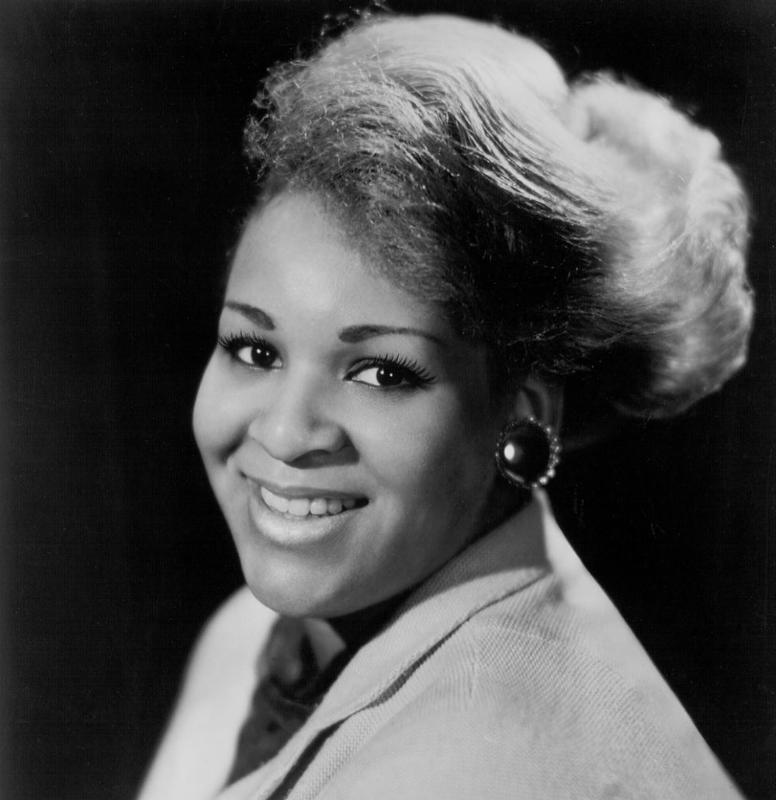
Patti Drew’s Spotify BioSinger Patti Drew had the first hit version of "Workin' on a Groovy Thing," later a 1969 Top 20 R&B/pop hit for the 5th Dimension. She began her singing career as the lead singer of the Drew-vels, which included her sisters Lorraine and Erma and bass vocalist Carlton Black. Born December 29, 1944, in Charleston, NC, Drew grew up in Nashville, TN, and later moved with her family to the Chicago suburb of Evanston. During her teens, she attended Evanston High and sang with her mother and sisters in church. Her mother was a domestic worker whose employer, Maury Lathowers, was the regional promoter for Los Angeles, CA-based Capitol Records. She invited Lathowers to come to her church to hear her daughters sing and, impressed, he invited them to his home for an audition and got the group a deal with Capitol. Their debut single, "Tell Him" was a huge local hit around the Chicago area and charted number 90 R&B in early 1964. The Drew-vels broke up later that year, and in 1966, Drew signed to… Peter Wright's Quill label. The following year, Drew signed a solo deal with Capitol. Her first single, a re-recording of "Tell Him," hit number 22 on the R&B charts in fall 1967. A Capitol LP, Tell Him, was also issued. One year later, her recording of the Neil Sedaka/Roger Atkins song "Workin' on a Groovy Thing" made it to number 34 R&B. A Workin' on a Groovy Thing LP was issued along with two more Capitol LPs, I've Been Here All the Time (1969) and Wild Is Love (January 1970). Drew's other singles were "Hundreds of Guys," "Keep on Movin'," and "My Lover's Prayer." In 1971, she left the music business. She resurfaced with a release on Carl Davis and E. Rodney Jones' Innovation Records in 1975. During the '80s, she reunited with Carlton Black in the group Front Line and performed around the Evanston area. Most of her Capitol singles can be found on the Collectables 1994 CD Tell Him: Golden Classics Edition. ~ Ed Hogan, Rovi
Viberate is a music analytics platform built for A&Rs, artist managers, labels, booking agents, marketers, and artists.
It helps music professionals track artist growth, analyze audience data, monitor playlist activity, compare artists, follow song performance, and identify opportunities across the music market.
Public artist pages provide a free preview of selected artist data. Paid plans provide access to deeper analytics, historical data, charts, comparisons, playlist tools, exports, alerts, reports, and additional professional features.
Yes. Public Viberate artist pages provide selected artist analytics and music data for free.
Viberate also offers a 7-day free trial of the full platform. A credit card is required to start the trial. The trial includes access to the complete product so users can test deeper artist analytics, historical views, playlist insights, comparisons, charts, exports, alerts, and reporting features before choosing a paid plan.
Viberate provides artist analytics across streaming, playlists, social media, video, radio airplay, songs, and audience markets.
Users can analyze Spotify performance, Spotify and Apple Music playlists, YouTube activity, TikTok and Instagram growth, radio spins, song performance, audience locations, demographics, rankings, and overall artist momentum.
Artist profiles also connect to music charts, similar artists, and comparison tools, helping users benchmark performance and evaluate artists in context.
Viberate updates key artist and track data daily.
For followed artists and tracks, selected data is refreshed multiple times per day. This helps teams monitor playlist changes, streaming movement, audience growth, releases, and campaign performance with more current data.
Update frequency can vary depending on the metric and data source.
Yes. Viberate lets users compare up to five artists side by side across streaming, social media, audience, and engagement metrics.
Users can compare fanbase growth, audience demographics, locations, Spotify performance, social metrics, and other artist data over selected time periods.
Artist comparison can be used for A&R scouting, benchmarking, booking decisions, campaign planning, and evaluating artists with similar audiences or market positions.