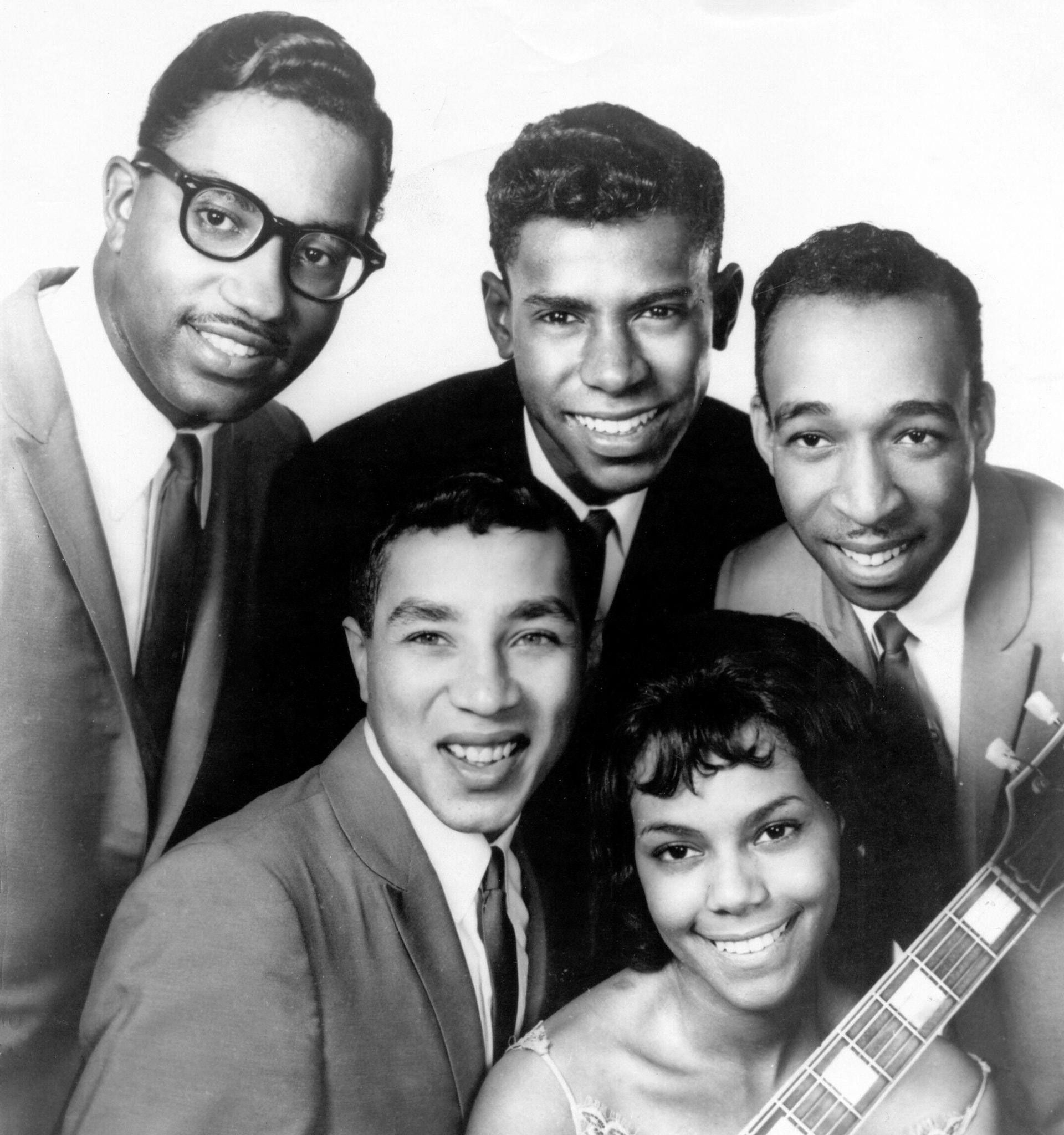
Barbara Lewis

R&B
Soul
Contemporary R&B
Mainstream Pop
 Viberate Rank: 52919
 Viberate Rank: 52919
 Monthly ListenersFollowers
 Subscribers
 Followers
 Followers
 FansTop Spotify Songs
| Track | 7-Day Streams | |
|---|---|---|
1 | 139.82K | |
2 | 106.50K | |
3 | 7.48K | |
4 | 7.11K | |
5 | 6.33K |
Top YouTube VideosMonthly ListenersFeatured in Playlists| Playlist | Followers | |
|---|---|---|
1 | nuwaveselects | 319.53K |
2 |  Lowrider Crusin' Spotify | 144.17K |
3 |  50s housewife bangers🍸 caera | 93.16K |
4 | Lowrider oldies Pinchekodiak | 91.32K |
5 |  Dirty Dancing Soundtrack KULTPOP! | 90.14K |
Audience| City | Monthly Listeners | |
|---|---|---|
1 | | 23.18K |
2 | | 7.80K |
3 | | 6.25K |
4 |  | 6.24K |
5 | | 6.15K |
See full performance history, audience data, playlist activity, rankings, comparisons, and more in Viberate music analytics. Start with a free trial, then continue with a paid plan.
Barbara Lewis’ Spotify BioPop-soul doesn't get much better than Barbara Lewis, whose seductive, emotive croon took "Hello Stranger" to number three in 1963. The Michigan native had been writing songs since the age of nine, and began recording as a teenager with producer Ollie McLaughlin, who also had a hand in the careers of Del Shannon, the Capitols, and Deon Jackson. Lewis wrote all of the songs on her debut LP (including "Hello Stranger") and confidently handled harmony soul numbers (some with backing by the Dells) and more pop-savvy tunes, some of which, like "Hello Stranger," were driven by an organ and a bossa nova-like beat. Follow-ups to "Hello Stranger" didn't sell nearly as well (although one of her singles, "Someday We're Gonna Love Again," was covered by the Searchers for a British Invasion hit). In the mid-'60s she began doing some recordings in New York City, with assistance from producers like Bert Berns and Jerry Wexler, that employed more orchestral arrangements and pop-conscious material. The… approach clicked, both commercially and artistically: "Baby I'm Yours" and "Make Me Your Baby" were both big hits, and both among the best mid-'60s girl group-style productions. Lewis cut an album in the late '60s for Stax (on the Enterprise subsidiary) that, as one would expect, gave her sound a grittier approach, without compromising the smooth and poppy elements integral to the singer's appeal. It passed mostly unnoticed, though, and Lewis withdrew from the music business after a few other singles. The "beach music" scene of the Carolinas remains a bastion of appreciation for Lewis' records, which continue to enjoy popularity and airplay there decades after their original release. ~ Richie Unterberger, Rovi
Viberate is a music analytics platform built for A&Rs, artist managers, labels, booking agents, marketers, and artists.
It helps music professionals track artist growth, analyze audience data, monitor playlist activity, compare artists, follow song performance, and identify opportunities across the music market.
Public artist pages provide a free preview of selected artist data. Paid plans provide access to deeper analytics, historical data, charts, comparisons, playlist tools, exports, alerts, reports, and additional professional features.
Yes. Public Viberate artist pages provide selected artist analytics and music data for free.
Viberate also offers a 7-day free trial of the full platform. A credit card is required to start the trial. The trial includes access to the complete product so users can test deeper artist analytics, historical views, playlist insights, comparisons, charts, exports, alerts, and reporting features before choosing a paid plan.
Viberate provides artist analytics across streaming, playlists, social media, video, radio airplay, songs, and audience markets.
Users can analyze Spotify performance, Spotify and Apple Music playlists, YouTube activity, TikTok and Instagram growth, radio spins, song performance, audience locations, demographics, rankings, and overall artist momentum.
Artist profiles also connect to music charts, similar artists, and comparison tools, helping users benchmark performance and evaluate artists in context.
Viberate updates key artist and track data daily.
For followed artists and tracks, selected data is refreshed multiple times per day. This helps teams monitor playlist changes, streaming movement, audience growth, releases, and campaign performance with more current data.
Update frequency can vary depending on the metric and data source.
Yes. Viberate lets users compare up to five artists side by side across streaming, social media, audience, and engagement metrics.
Users can compare fanbase growth, audience demographics, locations, Spotify performance, social metrics, and other artist data over selected time periods.
Artist comparison can be used for A&R scouting, benchmarking, booking decisions, campaign planning, and evaluating artists with similar audiences or market positions.