Aurra

R&B
Soul
Disco
Dance
 Viberate Rank: 109326
 Viberate Rank: 109326
 Monthly ListenersFollowers
 Subscribers
 Followers
 Followers
 FansTop Spotify Songs
| Track | 7-Day Streams | |
|---|---|---|
1 | 8.87K | |
2 | 8.87K | |
3 | 6.59K | |
4 | 5.18K | |
5 | 3.61K |
Top YouTube VideosMonthly ListenersFeatured in Playlists| Playlist | Followers | |
|---|---|---|
1 |  I Love My 80s Funk Spotify | 316.54K |
2 | BLACK SUMMER COOKOUT King Retro 1 | 66.97K |
3 |  Old School Lowrider Funk Rick Plant | 64.17K |
4 | Play that funky music GODS OF MOSH | 64.17K |
5 |  Now 1 - 114 (1983 - 2023) Now That's What I Call Music 1 - 114 abundantmusic | 56.69K |
Audience| City | Monthly Listeners | |
|---|---|---|
1 |  | 2.39K |
2 | | 1.46K |
3 | | 650 |
4 | | 630 |
5 | | 517 |
See full performance history, audience data, playlist activity, rankings, comparisons, and more in Viberate music analytics. Start with a free trial, then continue with a paid plan.
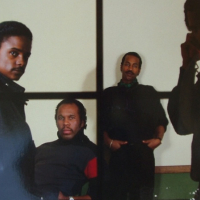
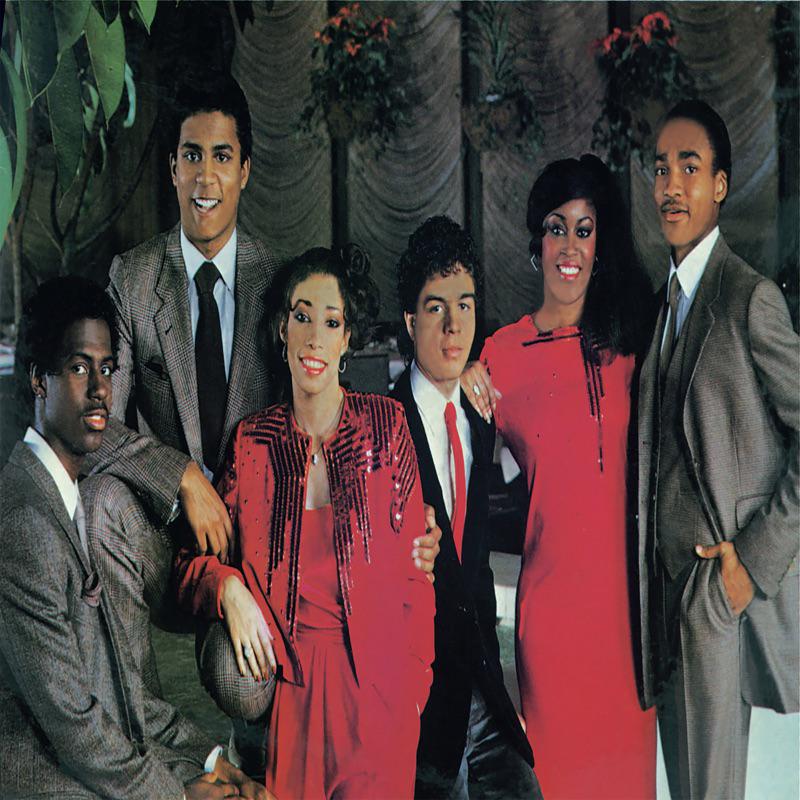
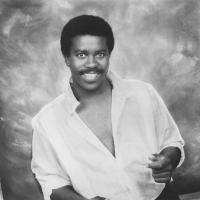
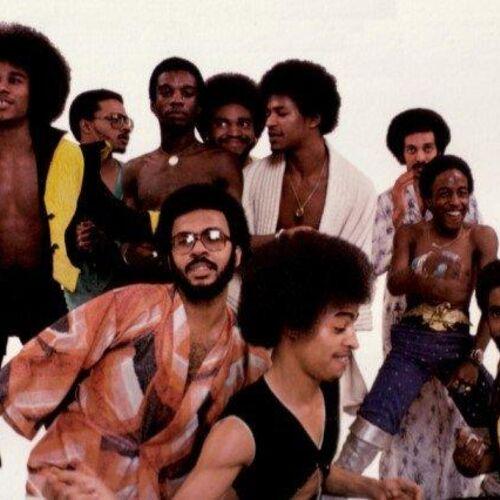
Aurra’s Spotify BioCentered around leader Steve Washington and singers Starleana Young and Curtis Jones, Aurra was an outgrowth of the Ohio-based funk band Slave. They recorded a handful of albums during their late-'70s and early-'80s existence, with most of that output released on Salsoul. The group's membership shifted constantly, with most of the musicians having strong ties to Slave. Aurra helped take Salsoul into the '80s by recording dancefloor-friendly material with the help of synthesizers and programmed rhythms. While the bulk of Salsoul's early releases featured elaborate string sections, mostly live instrumentation, and thumping disco foundations, '80s projects such as Aurra took advantage of studio technology and appealed to club DJs and radio programmers alike by concentrating equally on traditional songcraft and dance rhythms.
Washington instigated Aurra as a family affair of sorts, using various friends and members of the Slave road crew to fill out the group's lineup; at various points,… Aurra's personnel swelled to a dozen. In addition to the core of Washington, Young, and Jones, Aurra's membership included Mark Adams, Steve Arrington, Charles "Cedell" Carter, Philip Field, Buddy "Hanks" Henderson, Jennifer Ivory, Tom Lockett, William Young, and Mike Young. Washington helped Aurra score a contract with Salsoul, one of the premier disco labels.
Their self-titled 1980 debut was actually released on Dream, a subsidiary of Salsoul, but their next three albums -- 1981's Send Your Love, 1982's A Little Love, and 1983's Live and Let Live -- were released on Salsoul proper. Around the time Live and Let Live was conceived and released, financial matters began to cause turmoil within the group. Young and Jones grew increasingly distrustful of Washington, and the tension became so great that a frustrated Washington left and offered to sell Aurra's trademark to Young and Jones. Washington ended up keeping the name -- allegedly after Young and Jones failed to follow through on the offer -- and recorded an Aurra record for Quest with new membership, including former Bride of Funkenstein Sheila Horne and Chaka Khan sibling Mark Stephens. Thanks to the legal protestations of Young and Jones, the record never saw the light of day.
Young and Jones recorded a fifth Aurra album after leaving Salsoul. Apparently, Salsoul's improprieties were another source of strife within the group. Released on Next Plateau, 1985's Like I Like It gave Aurra their first chart hit in the U.K, in the form of the title track. That was the last anyone would hear from Aurra in name. Weary of further legal hassles, Young and Jones continued under the name Déjà and scored a number two R&B chart hit in 1987 with "You and Me Tonight." Young split from Jones in 1988 and went solo; she released an album in 1991 and also did background vocal work for her husband, Kool & the Gang's J.T. Taylor. Jones continued Déjà with Mysti Day and released a second album under that name. ~ Andy Kellman, Rovi
Viberate is a music analytics platform built for A&Rs, artist managers, labels, booking agents, marketers, and artists.
It helps music professionals track artist growth, analyze audience data, monitor playlist activity, compare artists, follow song performance, and identify opportunities across the music market.
Public artist pages provide a free preview of selected artist data. Paid plans provide access to deeper analytics, historical data, charts, comparisons, playlist tools, exports, alerts, reports, and additional professional features.
Yes. Public Viberate artist pages provide selected artist analytics and music data for free.
Viberate also offers a 7-day free trial of the full platform. A credit card is required to start the trial. The trial includes access to the complete product so users can test deeper artist analytics, historical views, playlist insights, comparisons, charts, exports, alerts, and reporting features before choosing a paid plan.
Viberate provides artist analytics across streaming, playlists, social media, video, radio airplay, songs, and audience markets.
Users can analyze Spotify performance, Spotify and Apple Music playlists, YouTube activity, TikTok and Instagram growth, radio spins, song performance, audience locations, demographics, rankings, and overall artist momentum.
Artist profiles also connect to music charts, similar artists, and comparison tools, helping users benchmark performance and evaluate artists in context.
Viberate updates key artist and track data daily.
For followed artists and tracks, selected data is refreshed multiple times per day. This helps teams monitor playlist changes, streaming movement, audience growth, releases, and campaign performance with more current data.
Update frequency can vary depending on the metric and data source.
Yes. Viberate lets users compare up to five artists side by side across streaming, social media, audience, and engagement metrics.
Users can compare fanbase growth, audience demographics, locations, Spotify performance, social metrics, and other artist data over selected time periods.
Artist comparison can be used for A&R scouting, benchmarking, booking decisions, campaign planning, and evaluating artists with similar audiences or market positions.