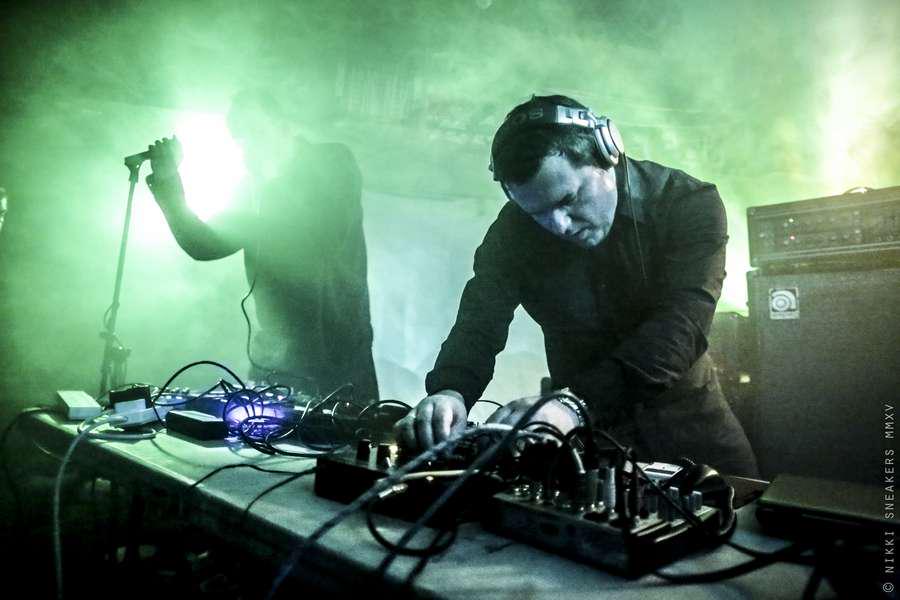
Yellow Swans

Rock
Noise Rock
 Viberate Rank: 281859
 Viberate Rank: 281859
 Monthly ListenersFollowers
 Subscribers
 Followers
 Followers
 FansTop Spotify Songs
| Track | 7-Day Streams | |
|---|---|---|
1 | 762 | |
2 | 746 | |
3 | 711 | |
4 | 507 | |
5 | 433 |
Top YouTube VideosMonthly ListenersFeatured in Playlists| Playlist | Followers | |
|---|---|---|
1 |  DRONE jenniferruth | 8.18K |
2 | space rock & psychedelia Edson Alejandro Adame | 8.05K |
3 |  the most attractive songs erika freizz | 6.97K |
4 | RYM Top 10,000 Songs systemlayers | 2.83K |
5 |  Harsh Noise (Not) Beats to [REDACTED] to Ivansky | 2.73K |
Audience| City | Monthly Listeners | |
|---|---|---|
1 |  | 68 |
2 | | 62 |
3 |  | 61 |
4 | | 51 |
5 | | 44 |
See full performance history, audience data, playlist activity, rankings, comparisons, and more in Viberate music analytics. Start with a free trial, then continue with a paid plan.
Yellow Swans’ Spotify BioElectro-noise duo the Yellow Swans formed in Portland, Oregon, in 2001, with the intention of combining punk's confrontational stance with the aggressively electronic sound of glitch. Like many other noise artists, Peter Swanson and Gabriel Mindel Saloman self-released several CD-Rs and cassettes of their music, as well as issuing EPs and 7"s on labels like Collective Jyrk and Chronditic Sound. Despite frequent tours and gigs with artists including Tussle, 7 Year Rabbit Cycle, Xiu Xiu, and Japanther, the Yellow Swans recorded their debut album in 2003. Bring the Neon War Home was released by Narnack in summer 2004; the duo moved to Oakland, CA, just before the album's release. The group's second album, Psychic Secession, arrived in fall 2005 on the Australian label Numerical Thief and was remastered and reissued that year by Load Records. They continued to churn out CD-Rs and 7"s throughout 2006 and 2007, culminating with their third full-length, 2007's At All Ends, which had a more… polished, Krautrock-inspired approach. The following spring, Swanson announced that the duo was disbanding. Two years later, Yellow Swans' final album, Going Places, was released via Type. ~ Heather Phares, Rovi
Viberate is a music analytics platform built for A&Rs, artist managers, labels, booking agents, marketers, and artists.
It helps music professionals track artist growth, analyze audience data, monitor playlist activity, compare artists, follow song performance, and identify opportunities across the music market.
Public artist pages provide a free preview of selected artist data. Paid plans provide access to deeper analytics, historical data, charts, comparisons, playlist tools, exports, alerts, reports, and additional professional features.
Yes. Public Viberate artist pages provide selected artist analytics and music data for free.
Viberate also offers a 7-day free trial of the full platform. A credit card is required to start the trial. The trial includes access to the complete product so users can test deeper artist analytics, historical views, playlist insights, comparisons, charts, exports, alerts, and reporting features before choosing a paid plan.
Viberate provides artist analytics across streaming, playlists, social media, video, radio airplay, songs, and audience markets.
Users can analyze Spotify performance, Spotify and Apple Music playlists, YouTube activity, TikTok and Instagram growth, radio spins, song performance, audience locations, demographics, rankings, and overall artist momentum.
Artist profiles also connect to music charts, similar artists, and comparison tools, helping users benchmark performance and evaluate artists in context.
Viberate updates key artist and track data daily.
For followed artists and tracks, selected data is refreshed multiple times per day. This helps teams monitor playlist changes, streaming movement, audience growth, releases, and campaign performance with more current data.
Update frequency can vary depending on the metric and data source.
Yes. Viberate lets users compare up to five artists side by side across streaming, social media, audience, and engagement metrics.
Users can compare fanbase growth, audience demographics, locations, Spotify performance, social metrics, and other artist data over selected time periods.
Artist comparison can be used for A&R scouting, benchmarking, booking decisions, campaign planning, and evaluating artists with similar audiences or market positions.