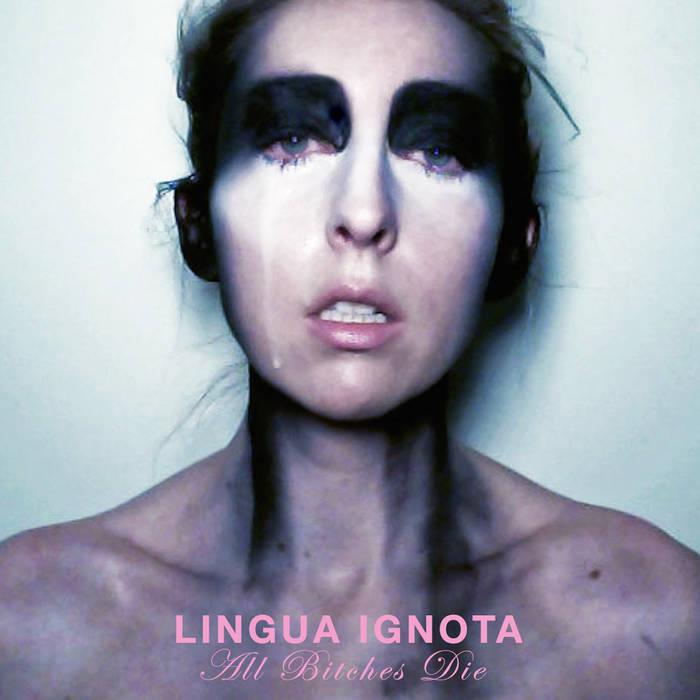
Uboa

Metal
Doom/Sludge Metal
Ambient
 Viberate Rank: 140603
 Viberate Rank: 140603
 Monthly ListenersFollowers
 Subscribers
 Followers
 Followers
 FansTop Spotify Songs
| Track | 7-Day Streams | |
|---|---|---|
1 | 2.77K | |
2 | 2.13K | |
3 | 1.21K | |
4 | 1.08K | |
5 | 840 |
Top YouTube VideosMonthly ListenersFeatured in Playlists| Playlist | Followers | |
|---|---|---|
1 |  failure loser core Stinky | 34.65K |
2 |  Flenser's Seasonal Suffering: Fall The Flenser | 22.98K |
3 |  Songs that are ACTUALLY like Ptolemaea T🖤 | 14.44K |
4 |  Now That's What I Call Gloom Vol. 1 The Flenser | 12.43K |
5 |  Expansive Doom F I L T H Y W I T C H | 9.71K |
Audience| City | Monthly Listeners | |
|---|---|---|
1 | | 218 |
2 |  | 178 |
3 |  | 169 |
4 | | 156 |
5 | | 154 |
See full performance history, audience data, playlist activity, rankings, comparisons, and more in Viberate music analytics. Start with a free trial, then continue with a paid plan.
Uboa’s Spotify BioUboa’s surprise-drop fifth album Impossible Light almost never made it out of the dark. From its initial conception in 2018, this record went to hell and back, dragging its immensity and too-big-to-hold emotion through the torturous process of translation to sound and returned triumphantly as a full-bodied record in a distinct new style.
Impossible Light begins where Uboa's 2019 breakout album The Origin of My Depression left off — and ends somewhere entirely different. The Origin stunned with its methodical use of doom, harsh noise, and ambient soundscapes while documenting a raw, unhindered account of Xandra Metcalfe’s experiences with her transition and her struggles with mental health. Over time The Origin steadily grew a cult-like following which developed into a full-fledged internet community focused around noise, neurodiversity and transness. While Uboa’s signature style of highly polished, cinematic ‘hypernoise' is front and center in Impossible Light, there is also a daring… departure into the genres of industrial metal/rock, setting it apart from any other Uboa release thus far and distinguishing it from other contemporary noise records.
"My last record, 'The Origin of My Depression,' was fundamentally about hopelessness. Impossible light, on the other hand, isn’t. On the contrary, it's about the possibility of having a future." - Xandra Metcalfe
Viberate is a music analytics platform built for A&Rs, artist managers, labels, booking agents, marketers, and artists.
It helps music professionals track artist growth, analyze audience data, monitor playlist activity, compare artists, follow song performance, and identify opportunities across the music market.
Public artist pages provide a free preview of selected artist data. Paid plans provide access to deeper analytics, historical data, charts, comparisons, playlist tools, exports, alerts, reports, and additional professional features.
Yes. Public Viberate artist pages provide selected artist analytics and music data for free.
Viberate also offers a 7-day free trial of the full platform. A credit card is required to start the trial. The trial includes access to the complete product so users can test deeper artist analytics, historical views, playlist insights, comparisons, charts, exports, alerts, and reporting features before choosing a paid plan.
Viberate provides artist analytics across streaming, playlists, social media, video, radio airplay, songs, and audience markets.
Users can analyze Spotify performance, Spotify and Apple Music playlists, YouTube activity, TikTok and Instagram growth, radio spins, song performance, audience locations, demographics, rankings, and overall artist momentum.
Artist profiles also connect to music charts, similar artists, and comparison tools, helping users benchmark performance and evaluate artists in context.
Viberate updates key artist and track data daily.
For followed artists and tracks, selected data is refreshed multiple times per day. This helps teams monitor playlist changes, streaming movement, audience growth, releases, and campaign performance with more current data.
Update frequency can vary depending on the metric and data source.
Yes. Viberate lets users compare up to five artists side by side across streaming, social media, audience, and engagement metrics.
Users can compare fanbase growth, audience demographics, locations, Spotify performance, social metrics, and other artist data over selected time periods.
Artist comparison can be used for A&R scouting, benchmarking, booking decisions, campaign planning, and evaluating artists with similar audiences or market positions.