Ramleh

Electronic
Other Electronic Music
Noise Rock
Psychedelic Rock
 Viberate Rank: 238210
 Viberate Rank: 238210
 Monthly ListenersFollowers
 Subscribers
 Followers
 Followers
 FansTop Spotify Songs
| Track | 7-Day Streams | |
|---|---|---|
1 | 2.94K | |
2 | 1.35K | |
3 | 713 | |
4 | 565 | |
5 | 535 |
Top YouTube VideosMonthly ListenersFeatured in Playlists| Playlist | Followers | |
|---|---|---|
1 |  songs to eat glass to Machine Girl | 8.89K |
2 |  underrated goth+ obscure goth floweredcorpse | 8.09K |
3 | Daily Random Max Hawkins | 5.70K |
4 |  POWER ELECTRONICS Fabio Alecu | 5.29K |
5 |  Weird,disturbing,terrifying music Irrelevant. | 4.55K |
Audience| City | Monthly Listeners | |
|---|---|---|
1 | | 154 |
2 |  | 125 |
3 | | 122 |
4 | | 107 |
5 |  | 105 |
See full performance history, audience data, playlist activity, rankings, comparisons, and more in Viberate music analytics. Start with a free trial, then continue with a paid plan.
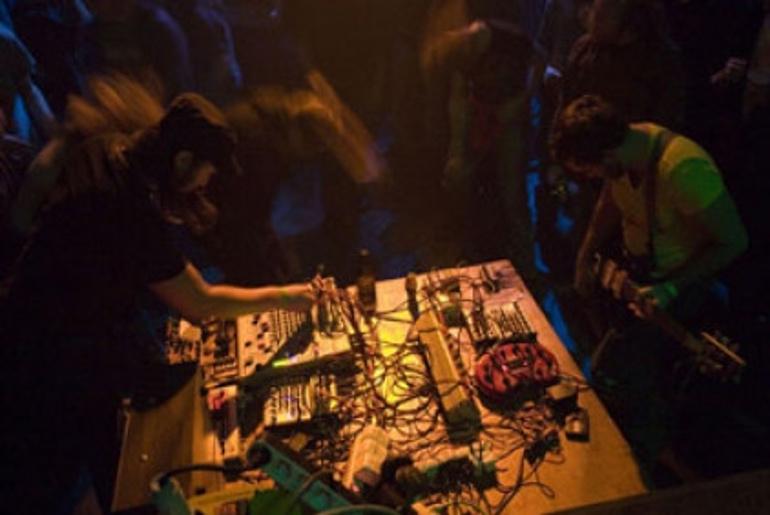
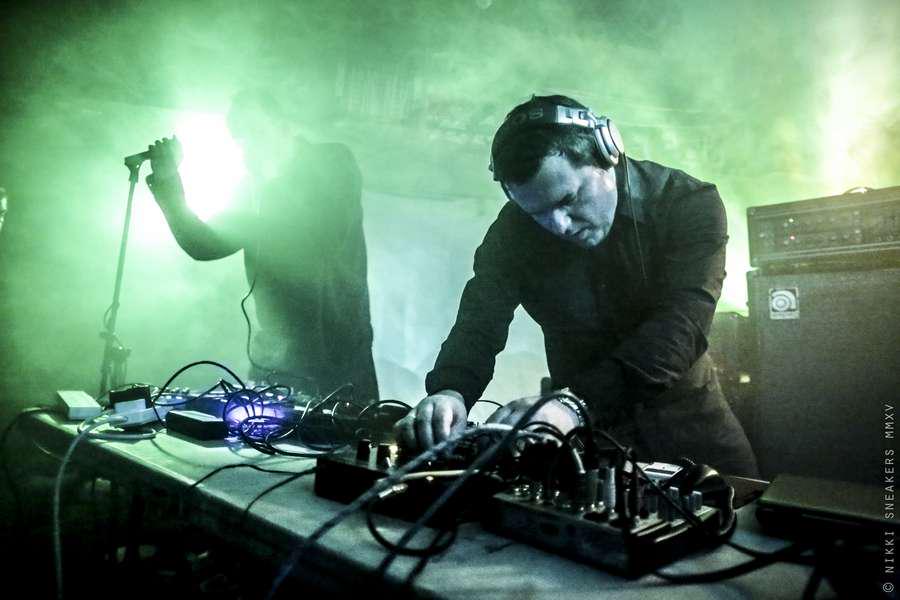
Ramleh’s Spotify BioNamed after a pivotal battle of the Crusades, the Croydon, England-based noise group Ramleh was an on-again/off-again project led by guitarist Gary Mundy, most often in collaboration with singer Philip Best (who also worked with the pioneering electronic group Whitehouse) and drummer Stuart Dennison. Like Whitehouse and Best's early group Iphar, Ramleh was originally a part of the "power electronics" offshoot of industrial music, a deliberately provocative and brutal form of the genre designed to shock and offend, both sonically and in its packaging. The group's first cassette-only release, 21/5/62/82, was purportedly titled to commemorate the execution of Nazi war criminal Adolf Eichmann. (Ramleh and the other bands in this style often flirted with right-wing totalitarian imagery for shock value; Mundy and Best have since disavowed the practice and denied any affiliation with hate groups.) Ramleh recorded four more cassette-only releases in 1982: Onslaught, Live to Thereisenstadt,… Live New Force, and Live Phenol, which were excerpted on the vinyl sampler Neuengamme later that year. 1983 saw the release of three more live cassettes, Live McCarthy, Live at Moden Tower 12/10/1983, and Live at Prossneck 1/10/83, along with the LP A Return to Slavery and the EP The Hand of Glory.
The first incarnation of Ramleh dissolved in 1984, although Mundy kept his label and distribution company Broken Flag active with releases by like-minded groups as well as historical Ramleh releases like a second sampler LP, Statement, the rarities cassette 104 Weeks, and 1985's huge live cassette box set, Awake! Ramleh returned to duty in late 1986 with the cassettes Hole in the Heart and Nerve, as well as 1987's Pumping and the 1989 LP Grudge for Life. Ramleh then disappeared for two more years, returning in 1991 with three LPs, Blowhole, Caught from Behind, and Crystal Revenge/Paid in Full, a split LP with MTT. 1992 was equally productive, with Shooters Hill and Shout from Hand added to their ever-growing discography. 1994 added Homeless, followed in 1995 by the three-volume CD compilation We Created It, Let's Take It Over, a collection of tracks from the early-'80s cassettes named after Patti Smith's manifesto at the end of her live version of "My Generation," and the album of new material Be Careful What You Wish For.
Mundy released a split CD called Adieu, All You Judges in 1995 that was credited both to Ramleh and his other project, Skullflower. The two halves of the CD are pretty much identical, suggesting that perhaps the Ramleh project had run its course. After another collection, Works III, and a final release of new material, 1997's Boeing, Mundy retired the Ramleh name. ~ Stewart Mason, Rovi
Viberate is a music analytics platform built for A&Rs, artist managers, labels, booking agents, marketers, and artists.
It helps music professionals track artist growth, analyze audience data, monitor playlist activity, compare artists, follow song performance, and identify opportunities across the music market.
Public artist pages provide a free preview of selected artist data. Paid plans provide access to deeper analytics, historical data, charts, comparisons, playlist tools, exports, alerts, reports, and additional professional features.
Yes. Public Viberate artist pages provide selected artist analytics and music data for free.
Viberate also offers a 7-day free trial of the full platform. A credit card is required to start the trial. The trial includes access to the complete product so users can test deeper artist analytics, historical views, playlist insights, comparisons, charts, exports, alerts, and reporting features before choosing a paid plan.
Viberate provides artist analytics across streaming, playlists, social media, video, radio airplay, songs, and audience markets.
Users can analyze Spotify performance, Spotify and Apple Music playlists, YouTube activity, TikTok and Instagram growth, radio spins, song performance, audience locations, demographics, rankings, and overall artist momentum.
Artist profiles also connect to music charts, similar artists, and comparison tools, helping users benchmark performance and evaluate artists in context.
Viberate updates key artist and track data daily.
For followed artists and tracks, selected data is refreshed multiple times per day. This helps teams monitor playlist changes, streaming movement, audience growth, releases, and campaign performance with more current data.
Update frequency can vary depending on the metric and data source.
Yes. Viberate lets users compare up to five artists side by side across streaming, social media, audience, and engagement metrics.
Users can compare fanbase growth, audience demographics, locations, Spotify performance, social metrics, and other artist data over selected time periods.
Artist comparison can be used for A&R scouting, benchmarking, booking decisions, campaign planning, and evaluating artists with similar audiences or market positions.