Wrathchild

Metal
Heavy Metal
Glam Metal
 Viberate Rank: 275368
 Viberate Rank: 275368
 Monthly ListenersFollowers
 Subscribers
 Followers
 Followers
 FansTop Spotify Songs
| Track | 7-Day Streams | |
|---|---|---|
1 | 215 | |
2 | 149 | |
3 | 81 | |
4 | 75 | |
5 | 60 |
Top YouTube VideosMonthly ListenersFeatured in Playlists| Playlist | Followers | |
|---|---|---|
1 |  80’s Hair Metal & Rock halun1 | 40.35K |
2 |  '80s Hard Rock/Glam Metal Abraham Velazquez | 4.52K |
3 |  I Wanna Rock JaviFlames | 2.26K |
4 |  ☆Mila's Jam☆ Miła Moon ☆ | 1.90K |
5 |  The Sound of Glam Metal The Sounds of Spotify | 1.85K |
Audience| City | Monthly Listeners | |
|---|---|---|
1 | | 23 |
2 | | 17 |
3 |  | 16 |
4 | | 14 |
5 |  | 13 |
See full performance history, audience data, playlist activity, rankings, comparisons, and more in Viberate music analytics. Start with a free trial, then continue with a paid plan.
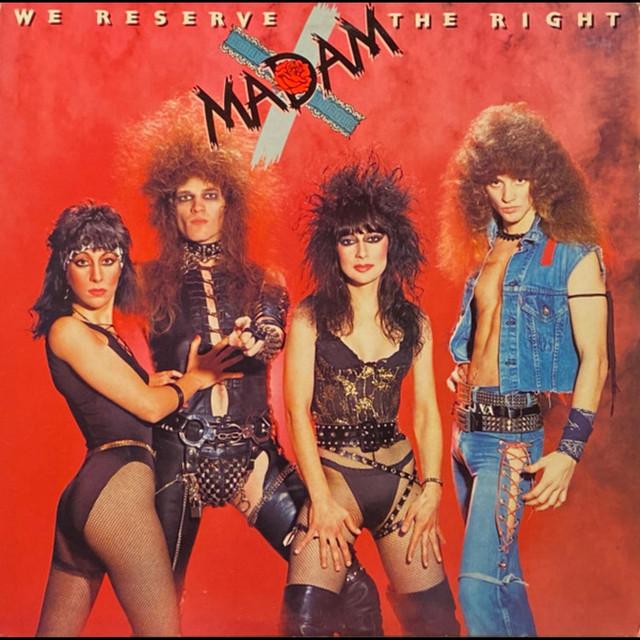
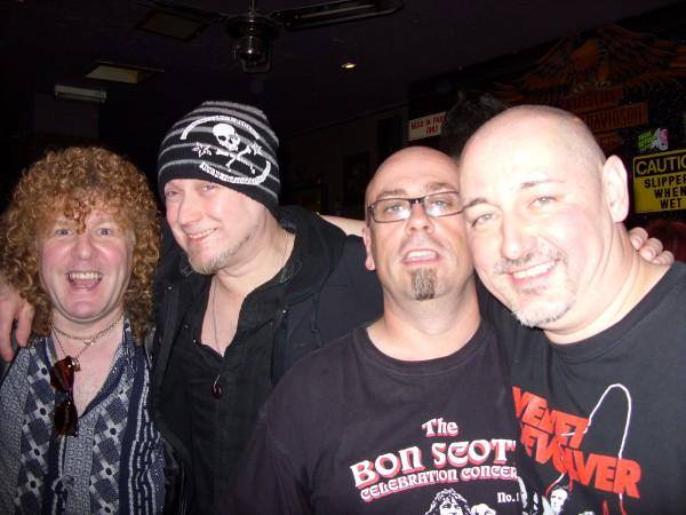
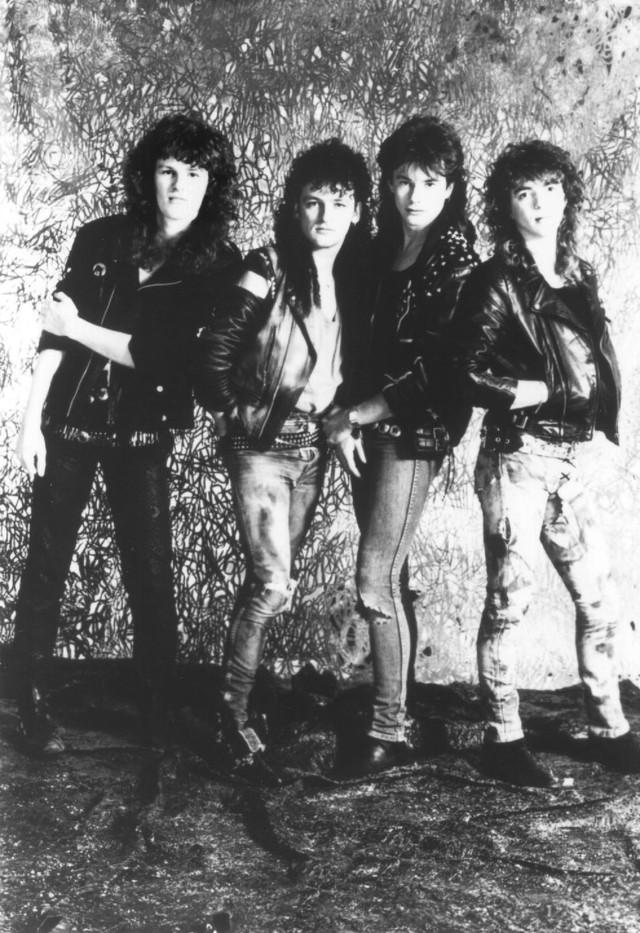
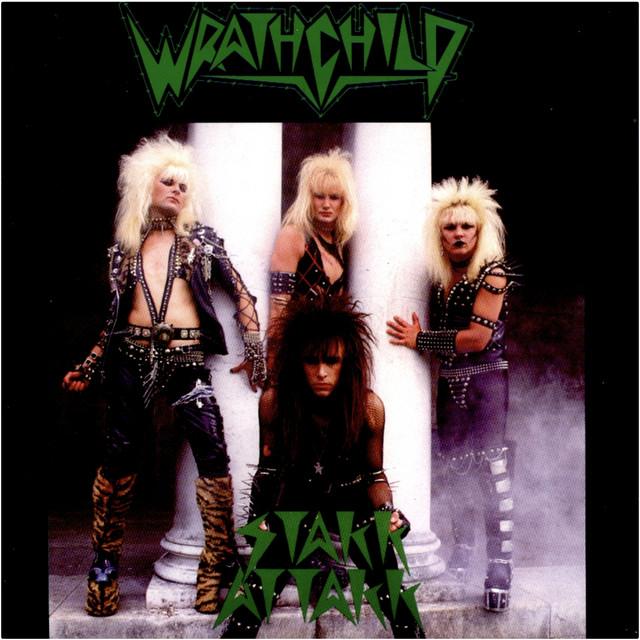
Wrathchild’s Spotify BioFormed in 1980 in Evesham, Worcestershire, England, as a Black Sabbath -influenced band, it was another two years before Wrathchild emerged at the forefront of the new glam rock scene. Original members Rocky Shads (vocals) and Marc Angel (bass) were joined by ex-Medusa personnel Lance Rocket (guitar) and Eddie Starr (drums). They subsequently released an EP on Bullet Records and toured heavily to promote it. By 1983 they had developed a melodramatic live show and perfected their Kiss / Angel influences, while retaining an ‘English’ quality. A year later their hard work paid off with a contract with Heavy Metal Records, but a bad choice of producer (Robin George) led to a slick but flat sound that was not at all representative. Soon afterwards they entered into a long-running legal battle with the company, which almost killed off the group. During this time indie label Dojo released a compilation of early material that was far superior to the official album - it also contained the… definitive version of live favourite and title track, ‘Trash Queens’. In 1988, they made their comeback with the aptly titled The Bizz Suxx. ‘Nukklear Rokket’ was also released and was followed with a tour that lacked the early aggression and visual drama. The follow-up album in 1989 fared badly against the more established glam rock bands such as Mötley Crüe, and the band once again entered a legal battle, this time to stop an American thrash metal band using their moniker. They won, and their namesakes appended America to their tag. However, they disappeared from view shortly thereafter.
Viberate is a music analytics platform built for A&Rs, artist managers, labels, booking agents, marketers, and artists.
It helps music professionals track artist growth, analyze audience data, monitor playlist activity, compare artists, follow song performance, and identify opportunities across the music market.
Public artist pages provide a free preview of selected artist data. Paid plans provide access to deeper analytics, historical data, charts, comparisons, playlist tools, exports, alerts, reports, and additional professional features.
Yes. Public Viberate artist pages provide selected artist analytics and music data for free.
Viberate also offers a 7-day free trial of the full platform. A credit card is required to start the trial. The trial includes access to the complete product so users can test deeper artist analytics, historical views, playlist insights, comparisons, charts, exports, alerts, and reporting features before choosing a paid plan.
Viberate provides artist analytics across streaming, playlists, social media, video, radio airplay, songs, and audience markets.
Users can analyze Spotify performance, Spotify and Apple Music playlists, YouTube activity, TikTok and Instagram growth, radio spins, song performance, audience locations, demographics, rankings, and overall artist momentum.
Artist profiles also connect to music charts, similar artists, and comparison tools, helping users benchmark performance and evaluate artists in context.
Viberate updates key artist and track data daily.
For followed artists and tracks, selected data is refreshed multiple times per day. This helps teams monitor playlist changes, streaming movement, audience growth, releases, and campaign performance with more current data.
Update frequency can vary depending on the metric and data source.
Yes. Viberate lets users compare up to five artists side by side across streaming, social media, audience, and engagement metrics.
Users can compare fanbase growth, audience demographics, locations, Spotify performance, social metrics, and other artist data over selected time periods.
Artist comparison can be used for A&R scouting, benchmarking, booking decisions, campaign planning, and evaluating artists with similar audiences or market positions.