Chrome Molly

Rock
Hard Rock
Heavy Metal
 Viberate Rank: 476317
 Viberate Rank: 476317
 Monthly ListenersFollowers
 Subscribers
 Followers
 Followers
 FansTop Spotify Songs
| Track | 7-Day Streams | |
|---|---|---|
1 | 101 | |
2 | 30 | |
3 | 19 | |
4 | 15 | |
5 | 10 |
Top YouTube VideosMonthly ListenersFeatured in Playlists| Playlist | Followers | |
|---|---|---|
1 | Old School Heavy Metal (Speed Power Thrash Death Black Doom Retro) lazertyger | 2.03K |
2 | 80s hard rock/heavy metal masterracerock | 1.77K |
3 | NWOBHM Fredrik Gustafsson | 1.52K |
4 | NWOBHM/True Metal Paúl Martínez | 1.12K |
5 |  80's ROCK thecrackermad | 1.09K |
Audience| City | Monthly Listeners | |
|---|---|---|
1 |  | 9 |
2 |  | 7 |
3 |  | 6 |
4 |  | 5 |
5 | | 5 |
See full performance history, audience data, playlist activity, rankings, comparisons, and more in Viberate music analytics. Start with a free trial, then continue with a paid plan.
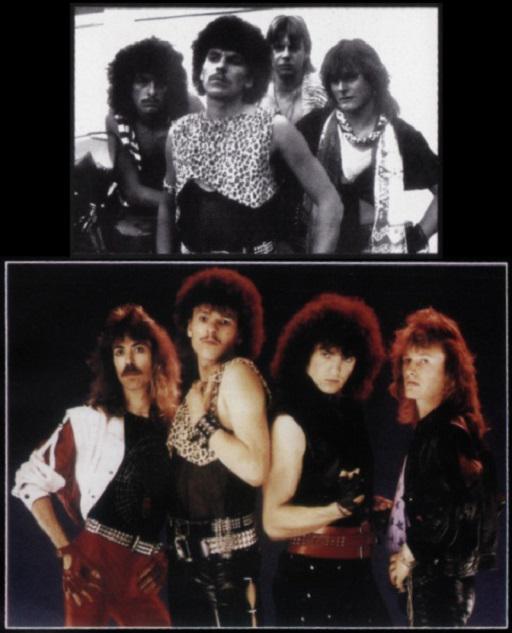
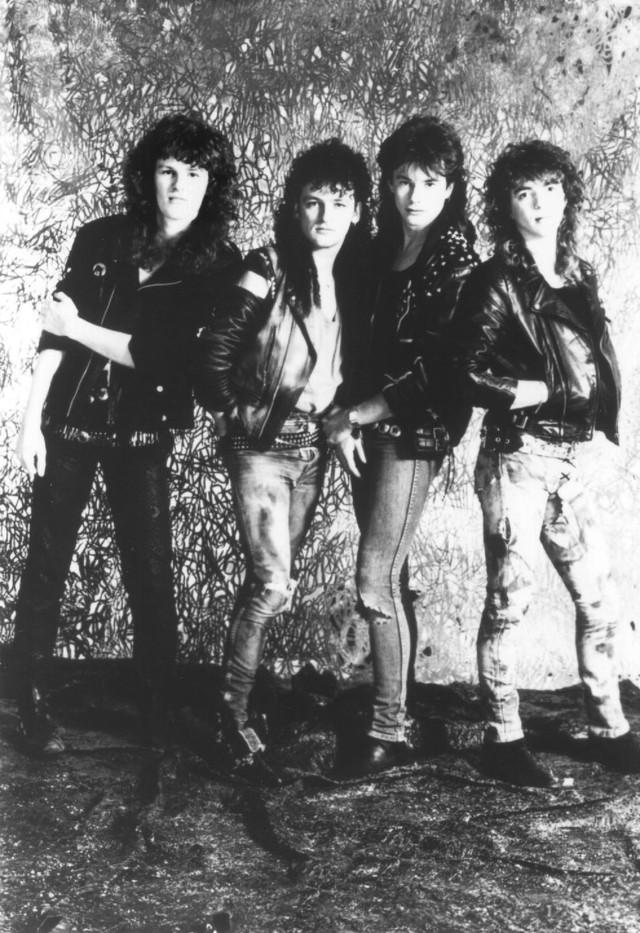
Chrome Molly’s Spotify BioThis hard rock/thrash quartet was formed in Leicester, England, during 1984, by vocalist Steve Hawkins and guitarist John Antcliffe. With the addition of Nick Wastell (bass) and Chris Green (drums), they recorded their debut, You Can’t Have It All, the following year. This was a competent collection of mid-paced rockers. Mark Godfrey replaced Green on drums and Tim Read took over from Antcliffe on lead guitar for the recording of their third album, Angst. This collection was afforded a bigger budget, as the band had been picked up by the IRS label. It included an excellent cover version of Squeeze’s ‘Take Me I’m Yours’, but the remainder was much as before. Joined by second guitarist Andrew Barrott (ex-Baby Tuckoo), they secured the support slot on Alice Cooper’s 1988 UK tour, including a performance at Wembley Arena. Their live reputation was indeed a formidable one, embossed by Hawkins’ fetish for placing a cordless microphone down his cycling shorts. However, this did little to… stimulate album sales, and Chrome Molly were hastily dropped by their label. Far from disheartened, they began writing new material and eventually secured a contract with Music For Nations. Slaphead appeared in 1990, to yet another flat response from the music media, despite an evident increase in quality.
Viberate is a music analytics platform built for A&Rs, artist managers, labels, booking agents, marketers, and artists.
It helps music professionals track artist growth, analyze audience data, monitor playlist activity, compare artists, follow song performance, and identify opportunities across the music market.
Public artist pages provide a free preview of selected artist data. Paid plans provide access to deeper analytics, historical data, charts, comparisons, playlist tools, exports, alerts, reports, and additional professional features.
Yes. Public Viberate artist pages provide selected artist analytics and music data for free.
Viberate also offers a 7-day free trial of the full platform. A credit card is required to start the trial. The trial includes access to the complete product so users can test deeper artist analytics, historical views, playlist insights, comparisons, charts, exports, alerts, and reporting features before choosing a paid plan.
Viberate provides artist analytics across streaming, playlists, social media, video, radio airplay, songs, and audience markets.
Users can analyze Spotify performance, Spotify and Apple Music playlists, YouTube activity, TikTok and Instagram growth, radio spins, song performance, audience locations, demographics, rankings, and overall artist momentum.
Artist profiles also connect to music charts, similar artists, and comparison tools, helping users benchmark performance and evaluate artists in context.
Viberate updates key artist and track data daily.
For followed artists and tracks, selected data is refreshed multiple times per day. This helps teams monitor playlist changes, streaming movement, audience growth, releases, and campaign performance with more current data.
Update frequency can vary depending on the metric and data source.
Yes. Viberate lets users compare up to five artists side by side across streaming, social media, audience, and engagement metrics.
Users can compare fanbase growth, audience demographics, locations, Spotify performance, social metrics, and other artist data over selected time periods.
Artist comparison can be used for A&R scouting, benchmarking, booking decisions, campaign planning, and evaluating artists with similar audiences or market positions.