Wolfgang Windgassen

Classical
Opera
 Viberate Rank: 275741
 Viberate Rank: 275741
 Monthly ListenersFollowers
 Subscribers
 Followers
 Followers
 FansTop Spotify Songs
| Track | 7-Day Streams | |
|---|---|---|
1 | 373 | |
2 | 344 | |
3 | 329 | |
4 | 319 | |
5 | 318 |
Top YouTube VideosMonthly ListenersFeatured in Playlists| Playlist | Followers | |
|---|---|---|
1 |  Opera - Best of Deutsche Grammophon (DG) | 17.76K |
2 |  DG - The History Of Classical Music - From Gregorian Chant To Górecki Ulysses' Classical | 3.86K |
3 |  Elementary - TV Series Sky Living | 3.55K |
4 |  Musique Classique (classical music) Armand Paris | 3.51K |
5 |  Wagner: Ring Cycle - Solti albertsheen | 3.51K |
Audience| City | Monthly Listeners | |
|---|---|---|
1 |  | 276 |
2 |  | 197 |
3 | | 159 |
4 | | 144 |
5 |  | 108 |
See full performance history, audience data, playlist activity, rankings, comparisons, and more in Viberate music analytics. Start with a free trial, then continue with a paid plan.
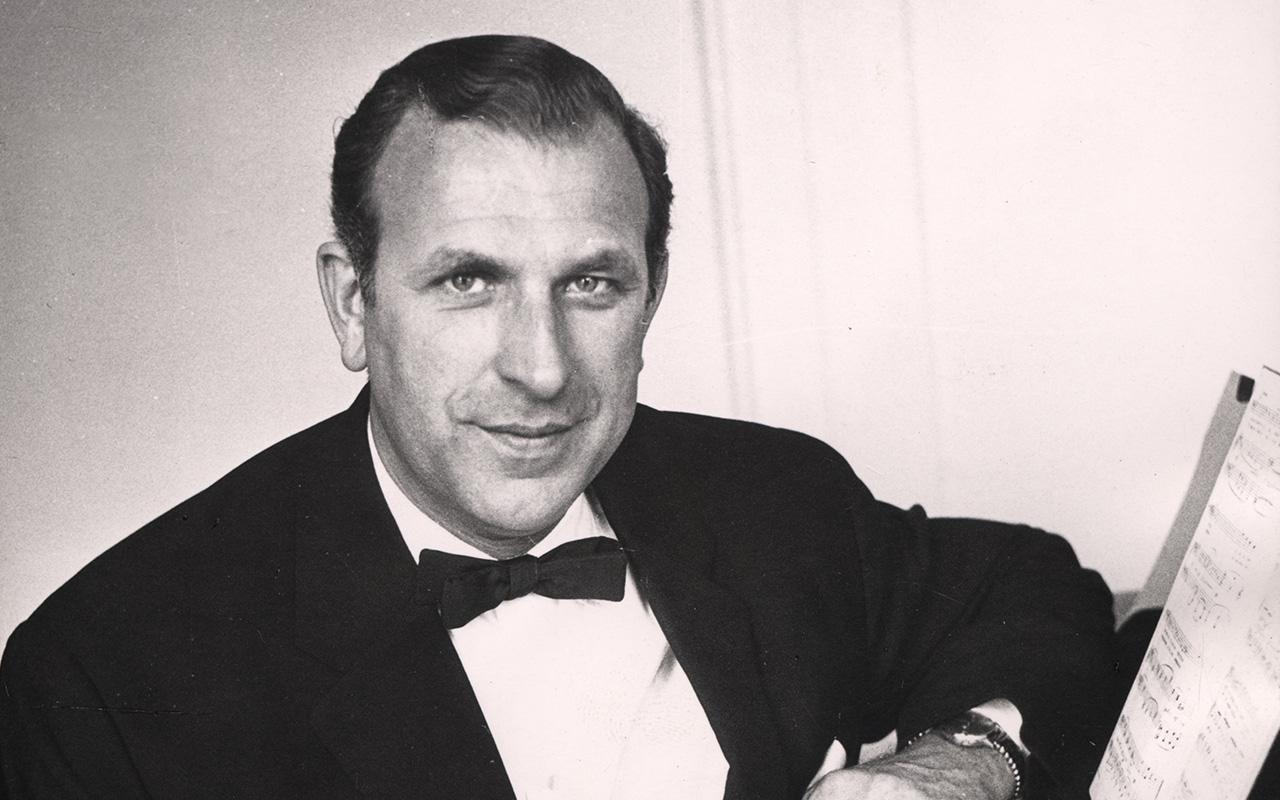
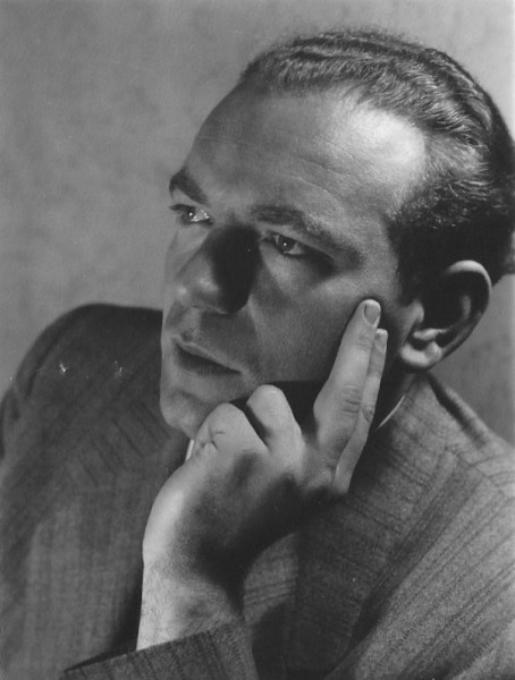
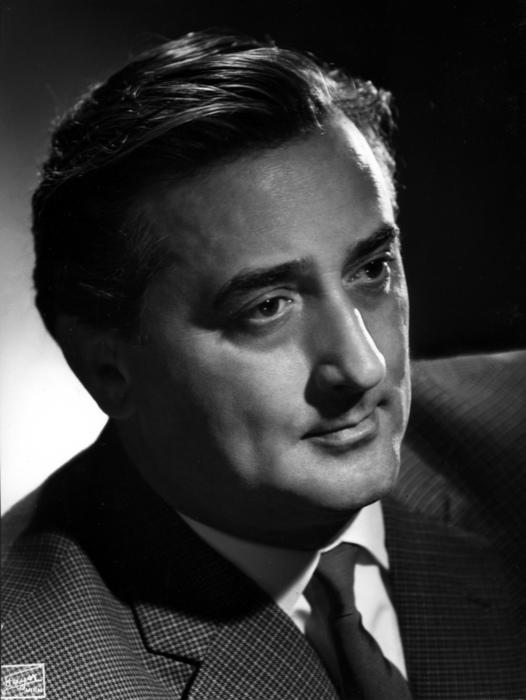
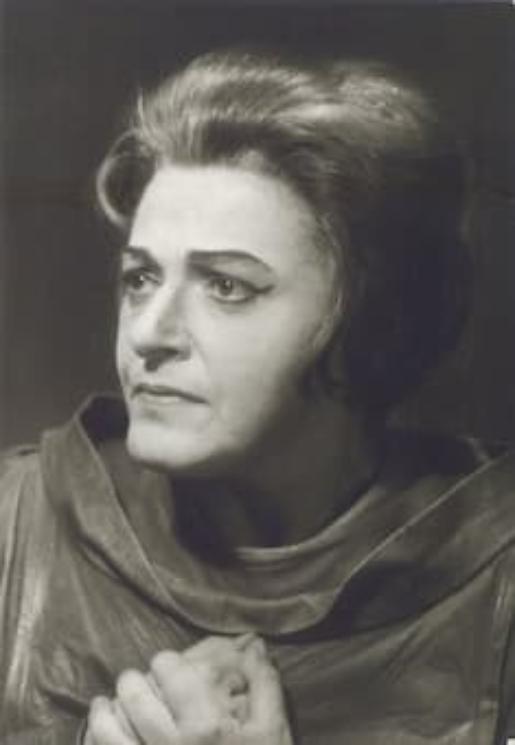
Wolfgang Windgassen’s Spotify BioThe most important singer of the German Heldentenor repertory in the 1950s and 1960s, Wolfgang Windgassen employed his not-quite-heroic instrument, believable physique, and considerable musical intelligence to forge memorable performances on-stage and in the recording studio. Although his voice lacked the sensuous appeal of Melchior's or Völker's, it was never unattractive and never employed to obvious effect. Indeed, it conveyed a youthfulness that suited the young Siegfried especially well. Born to German parents, both of them singers, in French Savoy, Windgassen began his vocal studies with his father Fritz. He later continued his training with Alfons Fischer and Maria Raznow at the Stuttgart Conservatory. The tenor made his debut as Alvaro in La forza del destino at Pforzheim in 1941. In 1945, he joined the Württembergisches Staatstheater in Stuttgart, steadily moving from lyric roles to more heroic parts; he remained a singer there until 1972. Upon making his debut in the first… postwar season at Bayreuth in 1951, he came to international attention. His Parsifal, growing from uncomprehending innocence to maturity and service, was a moving portrayal and was recorded live by Decca Records. Windgassen became indispensable at the Bayreuth Festival, excelling as Lohengrin, the two Siegfrieds, Tannhäuser, and Tristan. There, he earned the respect and devotion of the three leading dramatic sopranos of the age: Martha Mödl, Astrid Varnay, and Birgit Nilsson. Elsewhere, Windgassen made positive impressions at La Scala (where he debuted as Florestan in 1952), Paris (Parsifal in 1954), and Covent Garden, where he appeared as Tristan in 1954. Although regarded by English critics as somewhat light of voice for Wagner's heaviest tenor roles, his lyric expression and dramatic aptness were wholly admired. The Metropolitan Opera briefly heard him as Siegmund beginning in January 1957 (a role rather low for him) and as Siegfried. Windgassen did not return to America until 1970, when he sang Tristan to the Isolde of Nilsson at San Francisco. Beginning that same year, he turned to stage direction. Among Windgassen's finest recordings are his Bayreuth Parsifal, captured with a superb cast under Knappertsbusch's direction, his 1954 Bayreuth Lohengrin under Jochum, his Siegfrieds under both Böhm at Bayreuth and in the studio with Solti, and his Bayreuth Tristan with Böhm conducting and Nilsson as his Isolde.
Viberate is a music analytics platform built for A&Rs, artist managers, labels, booking agents, marketers, and artists.
It helps music professionals track artist growth, analyze audience data, monitor playlist activity, compare artists, follow song performance, and identify opportunities across the music market.
Public artist pages provide a free preview of selected artist data. Paid plans provide access to deeper analytics, historical data, charts, comparisons, playlist tools, exports, alerts, reports, and additional professional features.
Yes. Public Viberate artist pages provide selected artist analytics and music data for free.
Viberate also offers a 7-day free trial of the full platform. A credit card is required to start the trial. The trial includes access to the complete product so users can test deeper artist analytics, historical views, playlist insights, comparisons, charts, exports, alerts, and reporting features before choosing a paid plan.
Viberate provides artist analytics across streaming, playlists, social media, video, radio airplay, songs, and audience markets.
Users can analyze Spotify performance, Spotify and Apple Music playlists, YouTube activity, TikTok and Instagram growth, radio spins, song performance, audience locations, demographics, rankings, and overall artist momentum.
Artist profiles also connect to music charts, similar artists, and comparison tools, helping users benchmark performance and evaluate artists in context.
Viberate updates key artist and track data daily.
For followed artists and tracks, selected data is refreshed multiple times per day. This helps teams monitor playlist changes, streaming movement, audience growth, releases, and campaign performance with more current data.
Update frequency can vary depending on the metric and data source.
Yes. Viberate lets users compare up to five artists side by side across streaming, social media, audience, and engagement metrics.
Users can compare fanbase growth, audience demographics, locations, Spotify performance, social metrics, and other artist data over selected time periods.
Artist comparison can be used for A&R scouting, benchmarking, booking decisions, campaign planning, and evaluating artists with similar audiences or market positions.