Gustav Neidlinger

Classical
Opera
 Viberate Rank: 336619
 Viberate Rank: 336619
 Monthly ListenersFollowers
 Subscribers
 Followers
 Followers
 FansTop Spotify Songs
| Track | 7-Day Streams | |
|---|---|---|
1 | 1.63K | |
2 | 1.63K | |
3 | 1.63K | |
4 | 1.19K | |
5 | 1.19K |
Top YouTube VideosMonthly ListenersFeatured in Playlists| Playlist | Followers | |
|---|---|---|
1 |  The Sound of Everything The Sounds of Spotify | 53.83K |
2 | Nabucco - Gefangenenchor huegen42 | 3.78K |
3 |  Musique Classique (classical music) Armand Paris | 3.51K |
4 |  Wagner: Ring Cycle - Solti albertsheen | 3.51K |
5 |  The Best Opera Playlist Ever Emilio José Gómez Rodríguez | 2.10K |
Audience| City | Monthly Listeners | |
|---|---|---|
1 |  | 232 |
2 | | 187 |
3 | | 178 |
4 |  | 174 |
5 | | 119 |
See full performance history, audience data, playlist activity, rankings, comparisons, and more in Viberate music analytics. Start with a free trial, then continue with a paid plan.
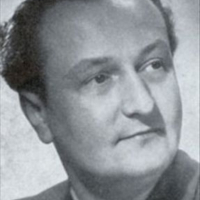
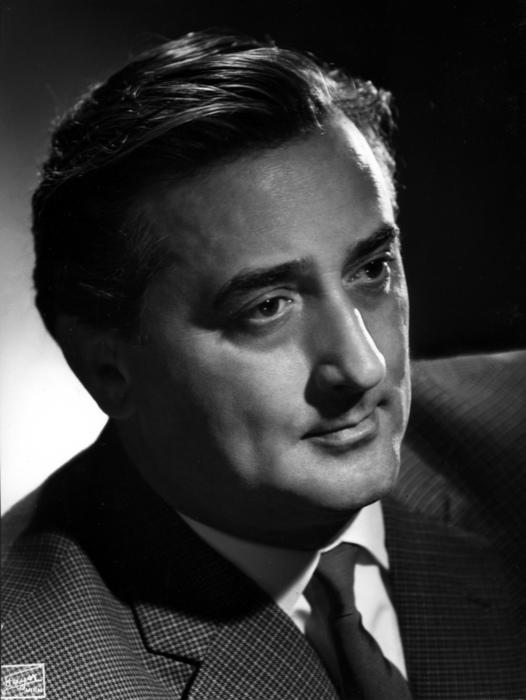
Gustav Neidlinger’s Spotify BioWith a powerful bass-baritone of granite-like density and sharply honed dramatic instincts, Gustav Neidlinger was the foremost Alberich of his time. His realization of Wagner's misshapen creature had both the fearsome strength for the curse in Das Rheingold and the pathos that glinted through the crusty exterior to make Alberich a tragic character in Siegfried and Die Götterdämmerung. While Neidlinger capably essayed many other roles during his long career, Alberich is the role that remains indelibly linked to his name.
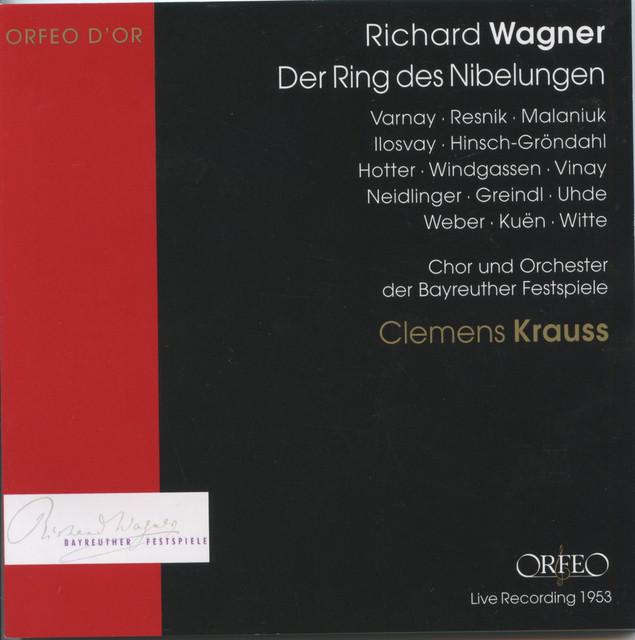
After studies at the conservatory in Frankfort am Mainz, Neidlinger made his debut at Mainz in 1929. From 1931 to 1934, he was a member of the company in Mainz before transferring his activities to Plauen in 1934. In 1936, he began a long association with Hamburg, remaining with that company until 1950. During the 1950s, his career moved outward to include many of Europe's premiere venues. Two years after joining the Stuttgart Opera in 1950, he made his Bayreuth Festival… debut where his roles embraced Alberich, Telramund, Kurwenal, Klingsor, and even Hans Sachs. He remained on the Bayreuth roster for 23 years. Milan's La Scala heard him for the first time in 1953, and beginning in 1956, he became a frequent visitor to the Wiener Staatsoper. In 1963, he appeared at Covent Garden as Telramund, winning further respect from an English public already familiar of his recorded Alberich (with Solti). Neidlinger appeared at the Metropolitan Opera for one season only, presenting his Alberich to New York audiences in 1972. The previous year, he had impressed the Chicago public with his Rheingold Alberich, an interpretation histrionically frightening and vocally undiminished. During the final half-decade of his career, he appeared almost exclusively in Europe. In addition to his Alberich, recorded live at Bayreuth under both Clemens Krauss and Karl Böhm and in the studio under Solti, Neidlinger left a snarling Pizzaro on disc. His sturdy Kurwenal was captured live at Bayreuth, and a studio recording of Bach's Mass in B minor presents him in somewhat less-comfortable surroundings. Neidlinger was made a German Kammersänger in 1952.
Viberate is a music analytics platform built for A&Rs, artist managers, labels, booking agents, marketers, and artists.
It helps music professionals track artist growth, analyze audience data, monitor playlist activity, compare artists, follow song performance, and identify opportunities across the music market.
Public artist pages provide a free preview of selected artist data. Paid plans provide access to deeper analytics, historical data, charts, comparisons, playlist tools, exports, alerts, reports, and additional professional features.
Yes. Public Viberate artist pages provide selected artist analytics and music data for free.
Viberate also offers a 7-day free trial of the full platform. A credit card is required to start the trial. The trial includes access to the complete product so users can test deeper artist analytics, historical views, playlist insights, comparisons, charts, exports, alerts, and reporting features before choosing a paid plan.
Viberate provides artist analytics across streaming, playlists, social media, video, radio airplay, songs, and audience markets.
Users can analyze Spotify performance, Spotify and Apple Music playlists, YouTube activity, TikTok and Instagram growth, radio spins, song performance, audience locations, demographics, rankings, and overall artist momentum.
Artist profiles also connect to music charts, similar artists, and comparison tools, helping users benchmark performance and evaluate artists in context.
Viberate updates key artist and track data daily.
For followed artists and tracks, selected data is refreshed multiple times per day. This helps teams monitor playlist changes, streaming movement, audience growth, releases, and campaign performance with more current data.
Update frequency can vary depending on the metric and data source.
Yes. Viberate lets users compare up to five artists side by side across streaming, social media, audience, and engagement metrics.
Users can compare fanbase growth, audience demographics, locations, Spotify performance, social metrics, and other artist data over selected time periods.
Artist comparison can be used for A&R scouting, benchmarking, booking decisions, campaign planning, and evaluating artists with similar audiences or market positions.