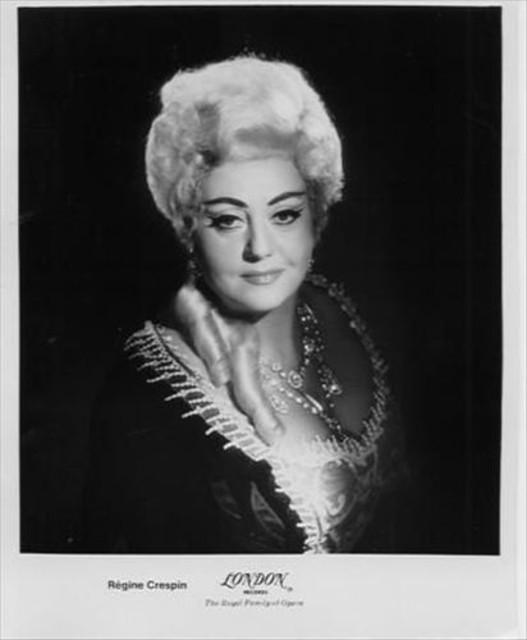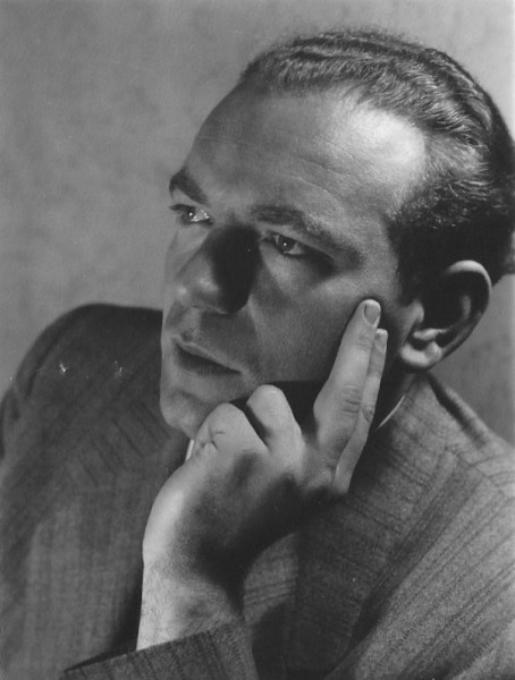
Josef Greindl

Classical
Opera
 Viberate Rank: 359735
 Viberate Rank: 359735
 Monthly ListenersFollowers
 Subscribers
 Followers
 Followers
 FansTop Spotify Songs
| Track | 7-Day Streams | |
|---|---|---|
1 | 419 | |
2 | 368 | |
3 | 124 | |
4 | 67 | |
5 | 67 |
Top YouTube VideosMonthly ListenersFeatured in Playlists| Playlist | Followers | |
|---|---|---|
1 |  Piano & Classical Jacob | 60.64K |
2 |  Mozart - Complete Chronological Catalogue based on Köchel catalogue K6 Ulysses' Classical | 9.54K |
3 |  Musique Classique (classical music) Armand Paris | 3.51K |
4 |  Alex Ross's The Rest is Noise aidanosu | 2.70K |
5 |  The Best Opera Playlist Ever Emilio José Gómez Rodríguez | 2.10K |
Audience| City | Monthly Listeners | |
|---|---|---|
1 |  | 64 |
2 |  | 63 |
3 | | 59 |
4 |  | 54 |
5 |  | 50 |
See full performance history, audience data, playlist activity, rankings, comparisons, and more in Viberate music analytics. Start with a free trial, then continue with a paid plan.
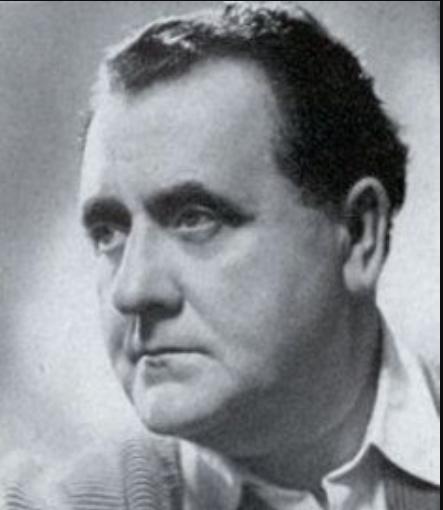
Josef Greindl’s Spotify BioJosef Greindl, with a voice mellower and less cutting than those of Gottlob Frick or Kurt Böhme, nonetheless became a dominant presence in the heaviest German bass roles during the 1950s and 1960s. A wide vibrato bothered some listeners who were sensitive to such matters, but Greindl was a savvy enough artist to subdue the effect in all but the most sustained passages and he was a canny presence. His Hagen exuded evil, while his Sarastro had a warmth and dignity that clarified the role as few others did. His occasional ventures into Italian opera largely took place in Germany and primarily at a time in which Italian opera was sung there in the vernacular. Greindl sang the leading bass roles in two essential Ring cycles preserved on disc, first under Furtwängler in 1953 and under Clemens Krauss at Bayreuth in 1954. Studies with bass Paul Bender, a former leading artist in Munich, and Wagnerian soprano Anna Bahr-Mildenburg prepared Greindl for his debut as Hunding in a 1936 Krefeld… production. From 1938 to 1942, the young bass was engaged at Düsseldorf. In 1942, Greindl began a long association with Berlin, first at the Staatsoper (until 1949) and thereafter at the Berlin's Städtische Oper. His debut at the Bayreuth Festival came as Pogner in 1943, but his prominent years there began in earnest in 1951. Concentrating his career in Europe, Greindl spent only one season at the Metropolitan Opera: in 1952, Heinrich and Pogner sufficed for his New York opera appearances. Later, however, he sang in Chicago, where his Daland and Alvise (in Italian, of course) were heard at the Lyric Opera in 1959. San Francisco heard him only in 1967 when his King Marke was described as "wobbly," although his Baron Ochs opposite Régine Crespin's Marschallin was found more satisfactory. In Berlin, the bass was much admired for his Boris Godunov. In the latter years of his Bayreuth affiliation, he abandoned Pogner for Hans Sachs, managing the tiring tessitura and enormous length of the role with skill and creating a positive portrait of the master cobbler. In 1973, Greindl was appointed a professor of singing at Vienna's Hochschule für Musik.
Viberate is a music analytics platform built for A&Rs, artist managers, labels, booking agents, marketers, and artists.
It helps music professionals track artist growth, analyze audience data, monitor playlist activity, compare artists, follow song performance, and identify opportunities across the music market.
Public artist pages provide a free preview of selected artist data. Paid plans provide access to deeper analytics, historical data, charts, comparisons, playlist tools, exports, alerts, reports, and additional professional features.
Yes. Public Viberate artist pages provide selected artist analytics and music data for free.
Viberate also offers a 7-day free trial of the full platform. A credit card is required to start the trial. The trial includes access to the complete product so users can test deeper artist analytics, historical views, playlist insights, comparisons, charts, exports, alerts, and reporting features before choosing a paid plan.
Viberate provides artist analytics across streaming, playlists, social media, video, radio airplay, songs, and audience markets.
Users can analyze Spotify performance, Spotify and Apple Music playlists, YouTube activity, TikTok and Instagram growth, radio spins, song performance, audience locations, demographics, rankings, and overall artist momentum.
Artist profiles also connect to music charts, similar artists, and comparison tools, helping users benchmark performance and evaluate artists in context.
Viberate updates key artist and track data daily.
For followed artists and tracks, selected data is refreshed multiple times per day. This helps teams monitor playlist changes, streaming movement, audience growth, releases, and campaign performance with more current data.
Update frequency can vary depending on the metric and data source.
Yes. Viberate lets users compare up to five artists side by side across streaming, social media, audience, and engagement metrics.
Users can compare fanbase growth, audience demographics, locations, Spotify performance, social metrics, and other artist data over selected time periods.
Artist comparison can be used for A&R scouting, benchmarking, booking decisions, campaign planning, and evaluating artists with similar audiences or market positions.