Willie Tee

R&B
Soul
Contemporary R&B
Funk
 Viberate Rank: 249441
 Viberate Rank: 249441
 Monthly ListenersFollowers
 Subscribers
 Followers
 Followers
 FansTop Spotify Songs
| Track | 7-Day Streams | |
|---|---|---|
1 | 3.18K | |
2 | 1.54K | |
3 | 941 | |
4 | 487 | |
5 | 434 |
Top YouTube VideosMonthly ListenersFeatured in Playlists| Playlist | Followers | |
|---|---|---|
1 |  Northern Soul Classics Spotify | 152.99K |
2 |  Aphex Twin: [mostly mellow] for Supreme Supreme | 44.15K |
3 |  Jazz Funk & Groove Guillermo Lanzani Lagomarsino | 36.07K |
4 |  Sampled songs and the songs that sampled seetreepo | 20.62K |
5 | motown & northern soul Sandra Beijer | 18.43K |
Audience| City | Monthly Listeners | |
|---|---|---|
1 |  | 502 |
2 | | 378 |
3 | | 172 |
4 | | 139 |
5 | | 86 |
See full performance history, audience data, playlist activity, rankings, comparisons, and more in Viberate music analytics. Start with a free trial, then continue with a paid plan.
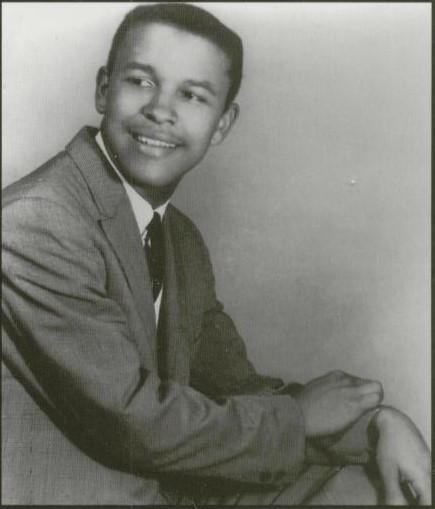
Willie Tee’s Spotify BioCommercial success proved frustratingly elusive, but Willie Tee remains an institution of the New Orleans music scene. A powerfully expressive vocalist and pianist rooted in the traditions of Crescent City R&B and jazz, his mid-'60s soul sides are acknowledged classics on the Carolinas' beach music circuit. Born Wilson Turbinton on February 6, 1944, in New Orleans, he began playing piano at age three, no doubt inspired by older brother Earl's studies of saxophone and flute. In 1952, the Turbintons relocated to the city's Calliope Street housing projects, where Willie and Earl were regularly exposed to the music and dancing of the Native Americans dominant in the area; in 1960, the brothers formed their first group, the Seminoles, launching their career in local talent shows. At school, Willie also fell under the influence of his music teacher, Harold Battiste, who with the permission of the boy's parents, added Turbinton to his jazz combo the AFO Band (All for One), whose roster also… included legendary pianist Ellis Marsalis. For Battiste's AFO label, the newly rechristened Willie Tee also recorded his 1962 debut single, "Always Accused" -- though not a hit, the record immediately established the buoyant marriage of R&B and jazz that would remain his signature throughout much of his career.
After leaving AFO, Tee formed the Souls with bassist George Davis and drummer David Lee; he then signed with Nola, a new label formed by his cousin, Ulis Gaines; journalist Clint Scott; and producer/arranger Wardell Quezergue. Tee's 1965 Nola debut, "Teasin' You," not only became the label's first local hit, but somehow its notoriety spread to Los Angeles; when blue-eyed soul hitmakers the Righteous Brothers performed the song on TV's Shindig!, Atlantic licensed Tee's original for national distribution. Backed by the superb "Walking up a One-Way Street," the single barely squeaked onto the pop charts but fell just shy of the R&B Top Ten at number 12. The follow-up, "Thank You John," failed to chart but remains a certified beach music classic. (The song was later popularized by Alex Chilton.) After the funky "I Want Somebody (To Show Me the Way Back Home)" also missed the charts, Atlantic released Tee from his contract, and his next single, "Please Don't Go," appeared on Nola's Hot-Line subsidiary. The Marvin Gaye-inspired "Ain't That True Baby" also earned little notice outside of New Orleans, and in 1968 Nola closed its doors; Tee and Gaines then formed Gatur Records, with the former's "I Peeped Your Hole Card" causing few ripples.
Tee shifted gears in 1969, co-writing and producing New Orleans soul chanteuse Margie Joseph's cult classic "One More Chance" for the Stax subsidiary Volt. He also reunited with brother Earl in the Jazz Workshop, where his piano prowess caught the attention of the great Cannonball Adderley and helped him earn a deal with Capitol; Tee's first-ever LP, I'm Only a Man, appeared in 1970, but his Capitol stay proved short-lived and he and Gaines soon reactivated Gatur with the lush ballad "The Man That I Am." Subsequent singles like "Your Love and My Love Together" and the galvanizing instrumental "Swivel Your Hips" documented a shift toward a funkier, harder-edged sound. In 1973, Tee was approached to assemble a backing band for a session headlined by the Wild Magnolias Mardi Gras Indian Group, bringing him back to the Native American music that was among his formative influences; recruiting brother Earl and guitarist Snooks Eaglin, he composed new material based on traditional Native chants as well as rearranging a handful of traditional New Orleans classics to incorporate elements of funk and Afro-Cuban music. The resulting LP, 1973's The Wild Magnolias, remains a landmark in Crescent City music history, and is credited with helping introduce the unique Native American Mardi Gras culture to the rest of the world.
In 1976, Willie Tee signed with United Artists to release his second LP, Anticipation; fusing traditional up-tempo soul with contemporary disco arrangements, the record again failed to make any kind of commercial impact, and he never again recorded for a major label. Tee and backing band the Gaturs nevertheless remained a staple of the New Orleans club scene; he also renewed his professional relationship with older brother Earl, and Willie even reclaimed the family surname for 1988's Turbinton Brothers, a jazz date for Rounder. In the decade to follow, Tee was rediscovered by the DJs and dancers populating Britain's Northern soul club scene, and in the mid-'90s began making the occasional trip overseas, including an enthusiastically received appearance at the renowned Jazz Café. He was also feted by the hip-hop community, with the Gaturs' "Concentrate" sampled by Sean "Puffy" Combs and the Wild Magnolias' "Smoke My Peace Pipe" bit by the Geto Boys. Tee's classic Nola/Atlantic sides were finally collected in 2002 on the Night Train compilation Teasin' You. In September 2007 Tee passed away from complications of colon cancer. ~ Jason Ankeny, Rovi
Viberate is a music analytics platform built for A&Rs, artist managers, labels, booking agents, marketers, and artists.
It helps music professionals track artist growth, analyze audience data, monitor playlist activity, compare artists, follow song performance, and identify opportunities across the music market.
Public artist pages provide a free preview of selected artist data. Paid plans provide access to deeper analytics, historical data, charts, comparisons, playlist tools, exports, alerts, reports, and additional professional features.
Yes. Public Viberate artist pages provide selected artist analytics and music data for free.
Viberate also offers a 7-day free trial of the full platform. A credit card is required to start the trial. The trial includes access to the complete product so users can test deeper artist analytics, historical views, playlist insights, comparisons, charts, exports, alerts, and reporting features before choosing a paid plan.
Viberate provides artist analytics across streaming, playlists, social media, video, radio airplay, songs, and audience markets.
Users can analyze Spotify performance, Spotify and Apple Music playlists, YouTube activity, TikTok and Instagram growth, radio spins, song performance, audience locations, demographics, rankings, and overall artist momentum.
Artist profiles also connect to music charts, similar artists, and comparison tools, helping users benchmark performance and evaluate artists in context.
Viberate updates key artist and track data daily.
For followed artists and tracks, selected data is refreshed multiple times per day. This helps teams monitor playlist changes, streaming movement, audience growth, releases, and campaign performance with more current data.
Update frequency can vary depending on the metric and data source.
Yes. Viberate lets users compare up to five artists side by side across streaming, social media, audience, and engagement metrics.
Users can compare fanbase growth, audience demographics, locations, Spotify performance, social metrics, and other artist data over selected time periods.
Artist comparison can be used for A&R scouting, benchmarking, booking decisions, campaign planning, and evaluating artists with similar audiences or market positions.