Lightnin' Slim

Blues
Classic Blues
Contemporary Blues
 Viberate Rank: 236120
 Viberate Rank: 236120
 Monthly ListenersFollowers
 Subscribers
 Followers
 Followers
 FansTop Spotify Songs
| Track | 7-Day Streams | |
|---|---|---|
1 | 2.06K | |
2 | 2.06K | |
3 | 2.06K | |
4 | 1.77K | |
5 | 1.77K |
Top YouTube VideosMonthly ListenersFeatured in Playlists| Playlist | Followers | |
|---|---|---|
1 |  Mafia 3 - Soundtrack Mikkel Frøkjær-Jensen | 49.40K |
2 | jbird360 | 28.52K |
3 |  Louisiana Blues Spotify | 14.23K |
4 |  Mafia 3 - Radio Playlist jill.vagner | 12.52K |
5 |  GTA VI FULL SOUNDTRACK [UPDATED 11-19-26] GTA 6 Leroy Witkamp | 10.45K |
Audience| City | Monthly Listeners | |
|---|---|---|
1 |  | 160 |
2 |  | 151 |
3 | | 133 |
4 |  | 110 |
5 |  | 90 |
See full performance history, audience data, playlist activity, rankings, comparisons, and more in Viberate music analytics. Start with a free trial, then continue with a paid plan.
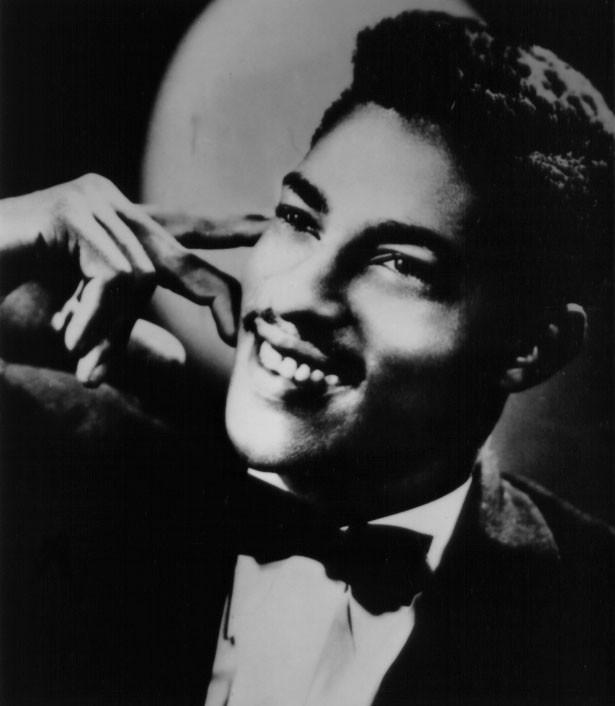
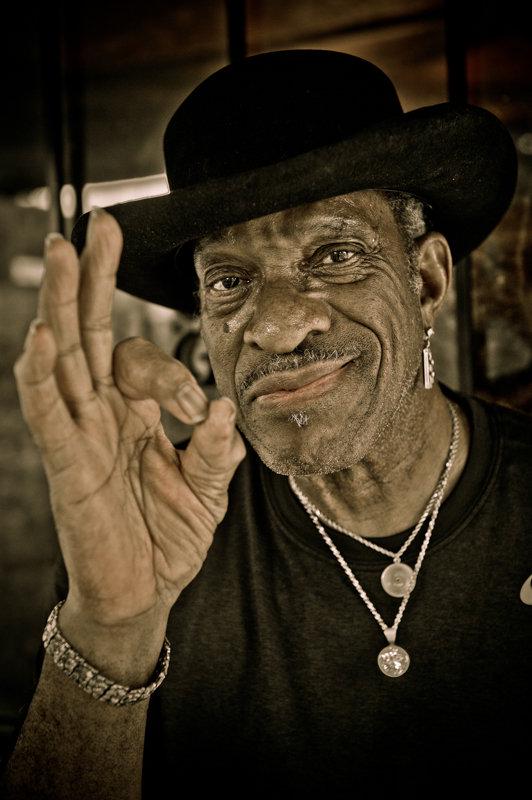
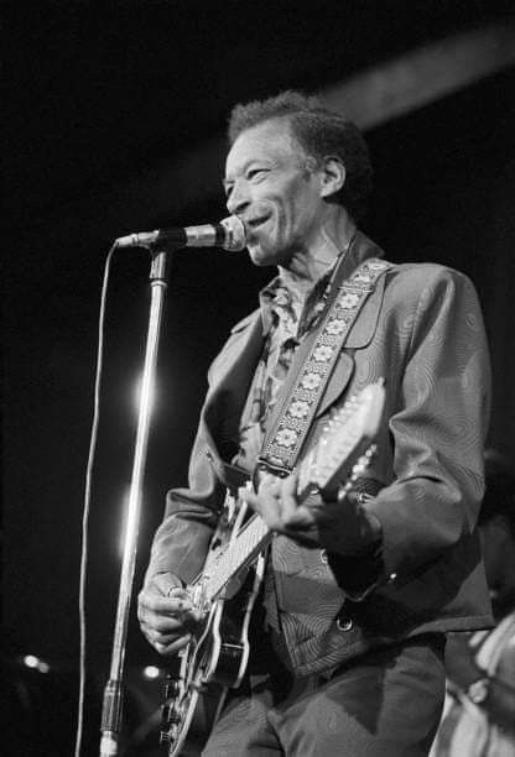
Lightnin' Slim’s Spotify BioThe acknowledged kingpin of the Louisiana school of blues, Lightnin' Slim built his style on his grainy but expressive vocals and rudimentary guitar work, with usually nothing more than a harmonica and a drummer in support. It was down-home country blues edged two steps further into the mainstream, first by virtue of his electric guitar, and second by the sound of the local Crowley, LA musicians who backed him being bathed in simmering, pulsating tape echo. As the first great star of producer J.D. Miller's blues talent stable, Lightnin' Slim had a successful formula that scored regional hits on the Nashville-based Excello label for over a decade, with one of them, "Rooster Blues," making the national R&B charts in 1959. Combining the country ambience of a Lightnin' Hopkins with the plodding insistence of a Muddy Waters, Lightnin' Slim's music belonged uniquely to him, the perfect blues raconteur, even when he was reshaping others' material to his dark, somber style.
He also possessed… one of the truly great blues voices, unadorned and unaffected, making the world-weariness of a Sonny Boy Williamson sound like the second coming of Good Time Charlie by comparison. His exhortation to "blow your harmonica, son" has become one of the great, mournful catch phrases of the blues, and even on his most rockin' numbers, there's a sense that you are listening less to an uptempo offering than a slow blues just being played faster. Lightnin' always sounded like bad luck just moved into his home approximately an hour after his mother-in-law did.
He was born with the unglamorous handle of Otis Hicks in St. Louis, MO, on March 13, 1913. After 13 years of living on a farm outside of the city, the Hicks family moved to Louisiana, first settling in St. Francisville. Young Otis took to the guitar early, first shown the rudiments by his father, then later by his older brother, Layfield. Given his recorded output, it's highly doubtful that either his father or brother knew how to play in any key other than E natural, as Lightnin' used the same patterns over and over on his recordings, only changing keys when he used a capo or had his guitar detuned a full step.
But the rudiments were all he needed, and by the late '30s/early '40s he was a mainstay of the local picnic/country supper circuit around St. Francisville. In 1946 he moved to Baton Rouge, playing on weekends in local ghetto bars, and started to make a name for himself on the local circuit, first working as a member of Big Poppa's band, then on his own.
The '50s dawned with harmonica player Schoolboy Cleve in tow, Lightnin' and Schoolboy working club dates and broadcasting over the radio together. It was local disc jockey Ray "Diggy Do" Meaders who then persuaded Miller to record Lightnin'. He recorded for 12 years as an Excello artist, starting out originally on Miller's Feature label. As the late '60s found Lightnin' working and living in Detroit, a second career blossomed as European blues audiences brought him over to tour, and he also started working the American festival and hippie ballroom circuit with Slim Harpo as a double act. When Harpo died unexpectedly in 1970, Lightnin' went on alone, recording sporadically, while performing as part of the American Blues Legends tour until his death in 1974. Lazy, rolling, and insistent, Lightnin' Slim is Louisiana blues at its finest. ~ Cub Koda, Rovi
Viberate is a music analytics platform built for A&Rs, artist managers, labels, booking agents, marketers, and artists.
It helps music professionals track artist growth, analyze audience data, monitor playlist activity, compare artists, follow song performance, and identify opportunities across the music market.
Public artist pages provide a free preview of selected artist data. Paid plans provide access to deeper analytics, historical data, charts, comparisons, playlist tools, exports, alerts, reports, and additional professional features.
Yes. Public Viberate artist pages provide selected artist analytics and music data for free.
Viberate also offers a 7-day free trial of the full platform. A credit card is required to start the trial. The trial includes access to the complete product so users can test deeper artist analytics, historical views, playlist insights, comparisons, charts, exports, alerts, and reporting features before choosing a paid plan.
Viberate provides artist analytics across streaming, playlists, social media, video, radio airplay, songs, and audience markets.
Users can analyze Spotify performance, Spotify and Apple Music playlists, YouTube activity, TikTok and Instagram growth, radio spins, song performance, audience locations, demographics, rankings, and overall artist momentum.
Artist profiles also connect to music charts, similar artists, and comparison tools, helping users benchmark performance and evaluate artists in context.
Viberate updates key artist and track data daily.
For followed artists and tracks, selected data is refreshed multiple times per day. This helps teams monitor playlist changes, streaming movement, audience growth, releases, and campaign performance with more current data.
Update frequency can vary depending on the metric and data source.
Yes. Viberate lets users compare up to five artists side by side across streaming, social media, audience, and engagement metrics.
Users can compare fanbase growth, audience demographics, locations, Spotify performance, social metrics, and other artist data over selected time periods.
Artist comparison can be used for A&R scouting, benchmarking, booking decisions, campaign planning, and evaluating artists with similar audiences or market positions.