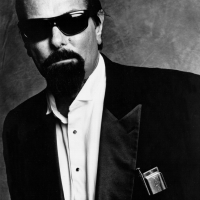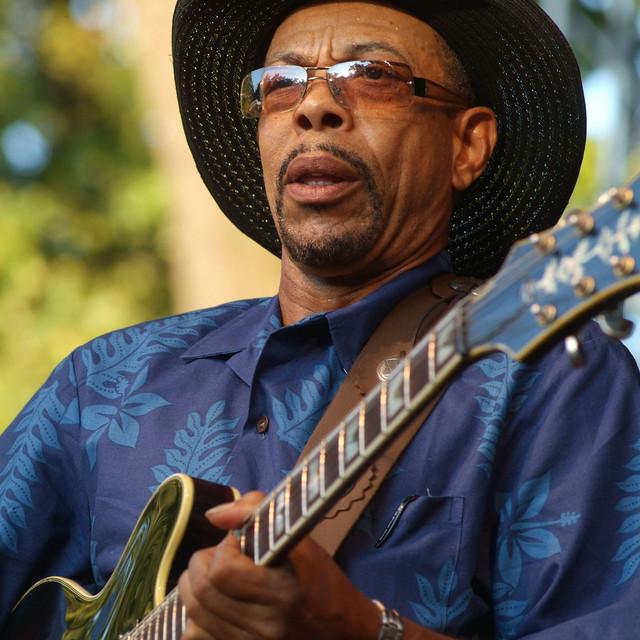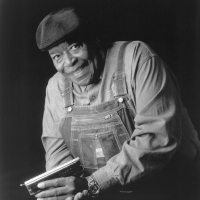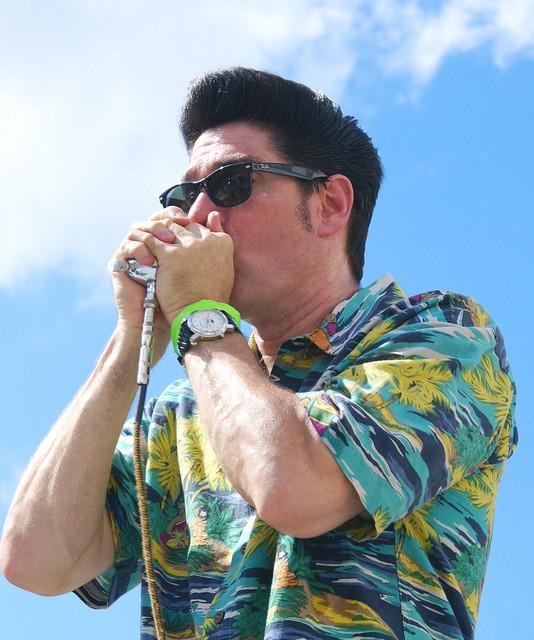
Kim Wilson

Blues
Contemporary Blues
 Viberate Rank: 173223
 Viberate Rank: 173223
 Monthly ListenersFollowers
 Subscribers
 Followers
 Followers
 FansTop Spotify Songs
| Track | 7-Day Streams | |
|---|---|---|
1 | 6.08K | |
2 | 4.73K | |
3 | 4.01K | |
4 | 1.83K | |
5 | 972 |
Top YouTube VideosMonthly ListenersFeatured in Playlists| Playlist | Followers | |
|---|---|---|
1 |  Whiskey Blues 🥃 Тhe Original | The Best Slow Blues / Blues Rock Don's Tunes | 85.92K |
2 | Wasteland Radio Expanded Neale Christopher Zeringue | 76.99K |
3 | Brian Adams Zamo | 60.97K |
4 |  Route 66 - Rock Travel gianlucaos | 37.09K |
5 | Boogie Woogie ! Sondre Olsen-Bye | 33.90K |
Audience| City | Monthly Listeners | |
|---|---|---|
1 |  | 210 |
2 |  | 124 |
3 | | 110 |
4 | | 102 |
5 |  | 99 |
See full performance history, audience data, playlist activity, rankings, comparisons, and more in Viberate music analytics. Start with a free trial, then continue with a paid plan.
Kim Wilson’s Spotify BioHarmonica player, songwriter, and singer Kim Wilson is as much a student and historian of classic blues as he is one of the U.S.'s top harmonica players. Simply put, Wilson has taste; when he enters the recording studio, he has a clear vision of what he wants his next record to sound like. Aside from all this, he's also an extremely hard worker and a major road hog, spending upwards of 200 nights a year on the road, playing festivals and clubs throughout the U.S., Canada, and Europe with his own Kim Wilson band and leading the Fabulous Thunderbirds.
Although he's long been known as the charismatic frontman for the Fabulous Thunderbirds, Wilson's solo albums -- which feature bands of his own choosing for different tracks -- is where the genius in his work shows through most clearly. Born January 6, 1951 in Detroit, Michigan, Wilson grew up in California. His parents were singers who would sing popular standards on the radio, and while Wilson took trombone and guitar lessons, he didn't… discover blues until he was a senior in high school. Wilson's father later worked for General Motors and raised his family in Goleta, California. Wilson dropped out of college and began playing blues full-time in 1970. He had a rented room and lived the hippie existence, getting his harmonica chops together by playing with traveling blues musicians like Eddie Taylor. Even though Wilson had only switched to harmonica in his senior year in high school, his progress on the instrument was rapid and every bit as all-consuming as his blues record-buying habit. Charlie Musselwhite, John Lee Hooker, and Sonny Rhodes were among the other Bay Area musicians Wilson befriended and worked with in clubs. But Wilson didn't meet his biggest mentor until after he moved to Austin in the mid-'70s.
"Muddy Waters was my biggest mentor. He really made my reputation for me, and that was a fantastic time of my life, being associated with that man," he recalled of his early days with the Fabulous Thunderbirds in Austin. There, at Antone's blues nightclub, Wilson and his Thunderbirds would back up whoever came into town, and it didn't take long for the band to earn Waters' blessing.
As a songwriter, Wilson takes his cue from the long-forgotten names like Tampa Red, Roosevelt Sykes, and Lonnie Johnson. His 1993 solo album, Tigerman, for the Austin-based Antone's label, features just three of his own tunes. Being the student of the blues that he is, Wilson was understandably hesitant to record too many of his own tunes when he'd already had a vision in his head of how he was going to rework classics like Joe Hill Louis' "Tiger Man," the album's title track. He followed up his debut with the equally brilliant That's Life (1994), also for Antone's, and again this recording contains just three self-penned songs. Wilson's career took a boost in the '90s with a major-label deal with Private Music/BMG for the Fabulous Thunderbirds and frequent concert appearances with Bonnie Raitt. Wilson's solo albums are solid productions, highly recommended for harmonica students and fans of classic Texas blues and rhythm & blues. ~ Richard Skelly, Rovi
Viberate is a music analytics platform built for A&Rs, artist managers, labels, booking agents, marketers, and artists.
It helps music professionals track artist growth, analyze audience data, monitor playlist activity, compare artists, follow song performance, and identify opportunities across the music market.
Public artist pages provide a free preview of selected artist data. Paid plans provide access to deeper analytics, historical data, charts, comparisons, playlist tools, exports, alerts, reports, and additional professional features.
Yes. Public Viberate artist pages provide selected artist analytics and music data for free.
Viberate also offers a 7-day free trial of the full platform. A credit card is required to start the trial. The trial includes access to the complete product so users can test deeper artist analytics, historical views, playlist insights, comparisons, charts, exports, alerts, and reporting features before choosing a paid plan.
Viberate provides artist analytics across streaming, playlists, social media, video, radio airplay, songs, and audience markets.
Users can analyze Spotify performance, Spotify and Apple Music playlists, YouTube activity, TikTok and Instagram growth, radio spins, song performance, audience locations, demographics, rankings, and overall artist momentum.
Artist profiles also connect to music charts, similar artists, and comparison tools, helping users benchmark performance and evaluate artists in context.
Viberate updates key artist and track data daily.
For followed artists and tracks, selected data is refreshed multiple times per day. This helps teams monitor playlist changes, streaming movement, audience growth, releases, and campaign performance with more current data.
Update frequency can vary depending on the metric and data source.
Yes. Viberate lets users compare up to five artists side by side across streaming, social media, audience, and engagement metrics.
Users can compare fanbase growth, audience demographics, locations, Spotify performance, social metrics, and other artist data over selected time periods.
Artist comparison can be used for A&R scouting, benchmarking, booking decisions, campaign planning, and evaluating artists with similar audiences or market positions.