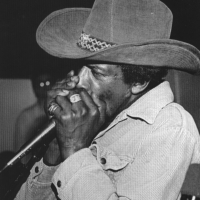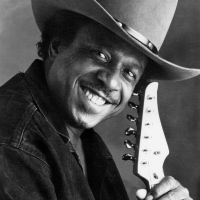
Billy Branch

Blues
Contemporary Blues
Americana/Alt Country
 Viberate Rank: 185440
 Viberate Rank: 185440
 Monthly ListenersFollowers
 Subscribers
 Followers
 Followers
 FansTop Spotify Songs
| Track | 7-Day Streams | |
|---|---|---|
1 | 3.10K | |
2 | 1.20K | |
3 | 549 | |
4 | 520 | |
5 | 324 |
Top YouTube VideosMonthly ListenersFeatured in Playlists| Playlist | Followers | |
|---|---|---|
1 |  Whiskey Blues 🥃 Тhe Original | The Best Slow Blues / Blues Rock Don's Tunes | 85.92K |
2 |  Greatest Blues Jared Kerkhof | 56.16K |
3 |  Don's Tunes | Blues & Jazz Playlist | Official Don's Tunes | 50.96K |
4 |  Blues Ballads/ Slow Blues Joar Fosså | 39.54K |
5 | Blues Harmonica Mikael Levinsson | 33.48K |
Audience| City | Monthly Listeners | |
|---|---|---|
1 |  | 580 |
2 |  | 294 |
3 | | 242 |
4 |  | 238 |
5 |  | 227 |
See full performance history, audience data, playlist activity, rankings, comparisons, and more in Viberate music analytics. Start with a free trial, then continue with a paid plan.
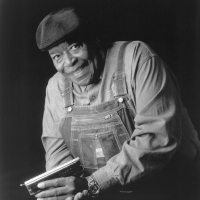
Billy Branch’s Spotify BioIn the '70s, harmonica man Billy Branch was one of the young upstarts helping to keep the Chicago blues sound alive; in the 21st century, he's matured into one of the Windy City's most venerable blues talents, and as a musician and educator, Branch has spread the word about the blues across the country and around the world. Branch has led the Sons of Blues, his backing band, since the mid-'70s, and despite numerous personnel changes, the SOBs have never wavered in their dedication to pure, unadulterated Chicago blues.
Born in Chicago in 1951, Billy Branch moved with his family to California when he was five, but in 1969 he returned to attend the University of Illinois, where he studied political science. Branch had taken up the blues harp, and he was spotted by legendary songwriter and producer Willie Dixon, who recruited Branch to replace the great Carey Bell in his band the Chicago Blues All-Stars. After graduating from college, Branch abandoned his plans to become a lawyer and went… into music full-time, touring with Dixon and forming his own band, Billy Branch & the Sons of Blues; the initial lineup featured Lurrie Bell (Carey Bell's son) on guitar and Freddie Dixon (Willie's son) on bass. In 1984, Branch & the Sons of Blues released their debut album, Where's My Money. By this time, the lineup had changed to Carlos Johnson (guitar), J.W. Williams (bass), and Mose Rutues (drums), and the membership of Branch's group would remain fluid in the years to come, though Rutues would spend more than a quarter century with the band.
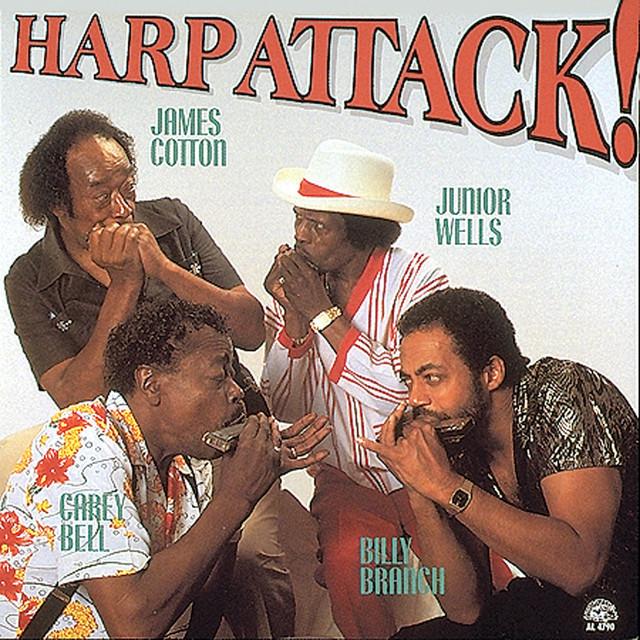
Branch also co-starred on Alligator's 1990 summit meeting Harp Attack! with fellow harp masters Junior Wells, Carey Bell, and James Cotton. He busied himself as a sideman (cutting sessions with Koko Taylor, Eddy Clearwater, Syl Johnson, and Johnny Winter, among dozens of others), and taught with an innovative "Blues in the Schools" program that brought blues history to young people in schools in America, Mexico, Europe, and South America. Branch has received three Grammy nominations during his long recording career, and two W.C. Handy Awards.
In 2014, after a ten-year layoff from recording, Branch and his latest lineup of the Sons of Blues returned with a new album, Blues Shock. Five years later, Branch & the Sons of Blues delivered Roots and Branches: The Songs of Little Walter, a tribute to the Chicago blues harp titan. ~ Bill Dahl, Rovi
Viberate is a music analytics platform built for A&Rs, artist managers, labels, booking agents, marketers, and artists.
It helps music professionals track artist growth, analyze audience data, monitor playlist activity, compare artists, follow song performance, and identify opportunities across the music market.
Public artist pages provide a free preview of selected artist data. Paid plans provide access to deeper analytics, historical data, charts, comparisons, playlist tools, exports, alerts, reports, and additional professional features.
Yes. Public Viberate artist pages provide selected artist analytics and music data for free.
Viberate also offers a 7-day free trial of the full platform. A credit card is required to start the trial. The trial includes access to the complete product so users can test deeper artist analytics, historical views, playlist insights, comparisons, charts, exports, alerts, and reporting features before choosing a paid plan.
Viberate provides artist analytics across streaming, playlists, social media, video, radio airplay, songs, and audience markets.
Users can analyze Spotify performance, Spotify and Apple Music playlists, YouTube activity, TikTok and Instagram growth, radio spins, song performance, audience locations, demographics, rankings, and overall artist momentum.
Artist profiles also connect to music charts, similar artists, and comparison tools, helping users benchmark performance and evaluate artists in context.
Viberate updates key artist and track data daily.
For followed artists and tracks, selected data is refreshed multiple times per day. This helps teams monitor playlist changes, streaming movement, audience growth, releases, and campaign performance with more current data.
Update frequency can vary depending on the metric and data source.
Yes. Viberate lets users compare up to five artists side by side across streaming, social media, audience, and engagement metrics.
Users can compare fanbase growth, audience demographics, locations, Spotify performance, social metrics, and other artist data over selected time periods.
Artist comparison can be used for A&R scouting, benchmarking, booking decisions, campaign planning, and evaluating artists with similar audiences or market positions.