Wilbert Harrison

Blues
Classic Blues
Soul
 Viberate Rank: 131412
 Viberate Rank: 131412
 Monthly ListenersFollowers
 Subscribers
 Followers
 Followers
 FansTop Spotify Songs
| Track | 7-Day Streams | |
|---|---|---|
1 | 21.88K | |
2 | 3.85K | |
3 | 3.15K | |
4 | 861 | |
5 | 193 |
Top YouTube Videos| Video | 7-Day Views | |
|---|---|---|
1 | 4.82K |
Monthly ListenersFeatured in Playlists| Playlist | Followers | |
|---|---|---|
1 |  The Birth of Rhythm & Blues Spotify | 319.28K |
2 |  The Bear Soundtrack Brendan Noone | 200.64K |
3 | Golden Oldies 50's & 60's - Best of 50s/60s. EN Greatest hits - Grandes éxitos de los años 50 y 60. Leticia-Recopilatorios | 198.74K |
4 |  The 50s & 60s - Golden Oldies John Peter Furst | 60.20K |
5 |  50's and 60's Rock'n'Roll classics lxwless playlists | 40.24K |
Audience| City | Monthly Listeners | |
|---|---|---|
1 |  | 899 |
2 | | 822 |
3 |  | 759 |
4 | | 744 |
5 | | 734 |
See full performance history, audience data, playlist activity, rankings, comparisons, and more in Viberate music analytics. Start with a free trial, then continue with a paid plan.
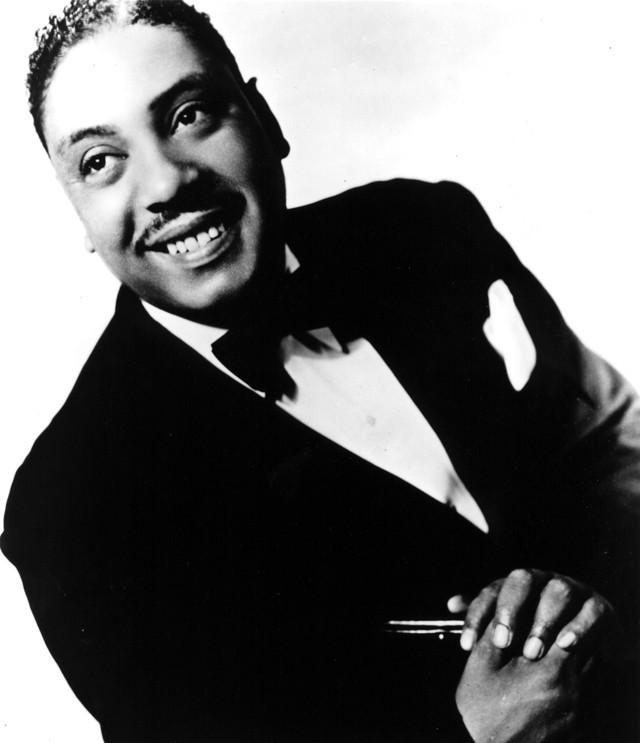
Wilbert Harrison’s Spotify BioPerceived by casual oldies fans as a two-hit wonder (for his 1959 chart-topper "Kansas City" and a heartwarming "Let's Work Together" a full decade later), Wilbert Harrison actually left behind a varied body of work that blended an intriguing mélange of musical idioms into something quite distinctive.
Country and gospel strains filtered into Wilbert Harrison's consciousness as a youth in North Carolina. When he got out of the Navy in Miami around 1950, he began performing in a calypso-based style. Miami entrepreneur Henry Stone signed Harrison to his Rockin' logo in 1953; his debut single, "This Woman of Mine," utilized the very same melody as his later reading of "Kansas City" (the first rendition of the Jerry Leiber/Mike Stoller composition by pianist Little Willie Littlefield came out in 1952, doubtless making an impression). Its flip, a country-tinged "Letter Edged in Black," exhibited Harrison's eclectic mindset.
After moving to Newark, New Jersey, Harrison wandered by the… headquarters of Savoy Records one fortuitous day and was snapped up by producer Fred Mendelsohn. Harrison recorded several sessions for Savoy, beginning with a catchy cover of Terry Fell's country tune "Don't Drop It." Top New York sessioneers -- arranger Leroy Kirkland, saxist Buddy Lucas and guitarists Mickey Baker and Kenny Burrell -- backed Harrison on his 1954-1956 Savoy output, but hits weren't forthcoming.
That changed instantly when Harrison waxed his driving "Kansas City" for Harlem entrepreneur Bobby Robinson in 1959. With a barbed-wire guitar solo by Wild Jimmy Spruill igniting Harrison's no-frills piano and clenched vocal, "Kansas City" paced both the R&B and pop charts soon after its issue on Fury Records (not bad for a $40 session). Only one minor problem: Harrison was still technically under contract to Savoy (though label head Herman Lubinsky had literally run him out of his office some years earlier!), leading to all sorts of legal wrangles that finally went Robinson's way. Momentum for any Fury follow-ups had been fatally blunted in the interim, despite fine attempts with "Cheatin' Baby," the sequel "Goodbye Kansas City," and "Let's Stick Together."
Harrison bounced from Neptune to Doc to Constellation to Port to Vest with little in the way of tangible rewards before unexpectedly making a comeback in 1969 with an infectious re-recording of his 1962 "Let's Stick Together" single under the title "Let's Work Together" for Juggy Murray's Sue imprint. The song proved a popular cover item -- Canned Heat revived it shortly thereafter, and Bryan Ferry chimed in with his treatment of the original "Let's Stick Together" later on. Alas, it was an isolated happenstance -- apart from "My Heart Is Yours," a bottom-end chart entry on SSS International in 1971, no more hits were in Wilbert's future. But Harrison soldiered on, sometimes as a one-man band, for years to come. ~ Bill Dahl, Rovi
Viberate is a music analytics platform built for A&Rs, artist managers, labels, booking agents, marketers, and artists.
It helps music professionals track artist growth, analyze audience data, monitor playlist activity, compare artists, follow song performance, and identify opportunities across the music market.
Public artist pages provide a free preview of selected artist data. Paid plans provide access to deeper analytics, historical data, charts, comparisons, playlist tools, exports, alerts, reports, and additional professional features.
Yes. Public Viberate artist pages provide selected artist analytics and music data for free.
Viberate also offers a 7-day free trial of the full platform. A credit card is required to start the trial. The trial includes access to the complete product so users can test deeper artist analytics, historical views, playlist insights, comparisons, charts, exports, alerts, and reporting features before choosing a paid plan.
Viberate provides artist analytics across streaming, playlists, social media, video, radio airplay, songs, and audience markets.
Users can analyze Spotify performance, Spotify and Apple Music playlists, YouTube activity, TikTok and Instagram growth, radio spins, song performance, audience locations, demographics, rankings, and overall artist momentum.
Artist profiles also connect to music charts, similar artists, and comparison tools, helping users benchmark performance and evaluate artists in context.
Viberate updates key artist and track data daily.
For followed artists and tracks, selected data is refreshed multiple times per day. This helps teams monitor playlist changes, streaming movement, audience growth, releases, and campaign performance with more current data.
Update frequency can vary depending on the metric and data source.
Yes. Viberate lets users compare up to five artists side by side across streaming, social media, audience, and engagement metrics.
Users can compare fanbase growth, audience demographics, locations, Spotify performance, social metrics, and other artist data over selected time periods.
Artist comparison can be used for A&R scouting, benchmarking, booking decisions, campaign planning, and evaluating artists with similar audiences or market positions.