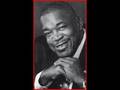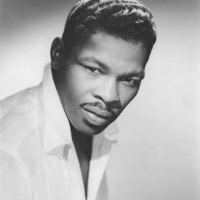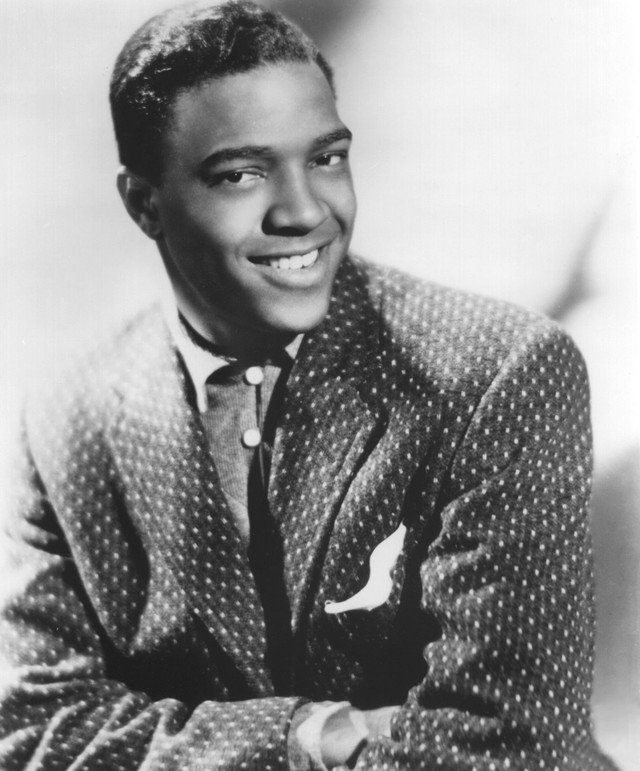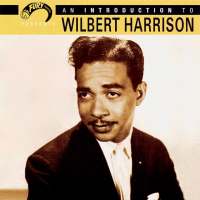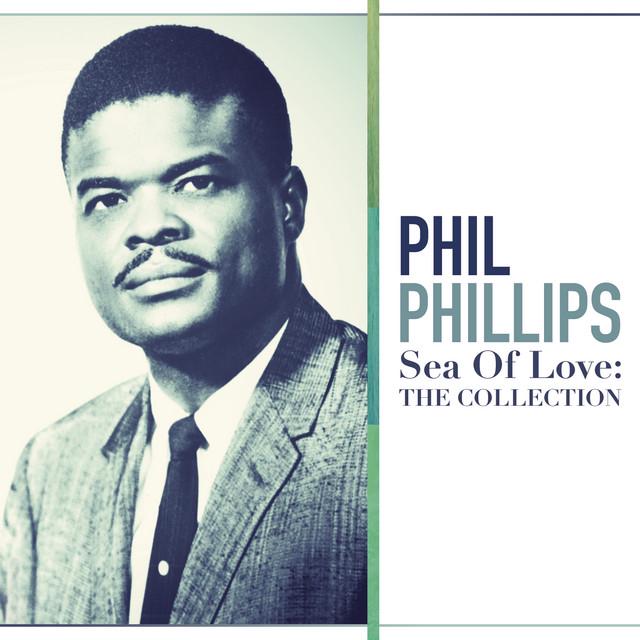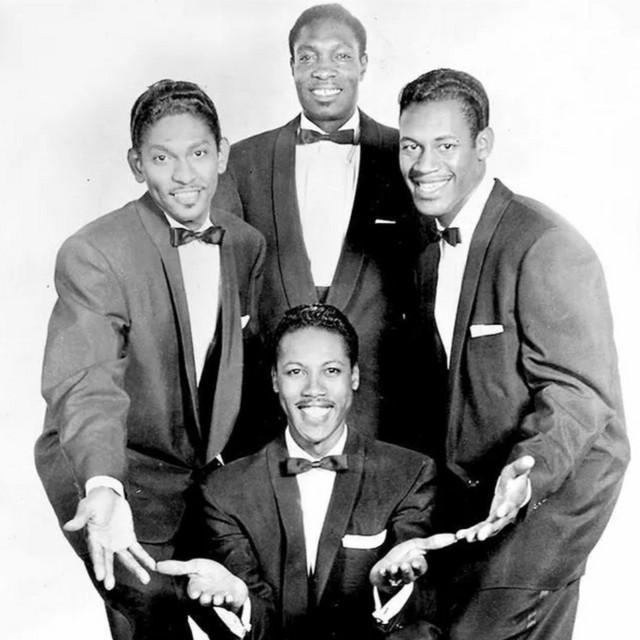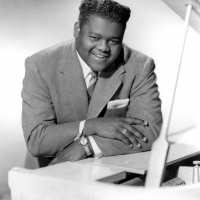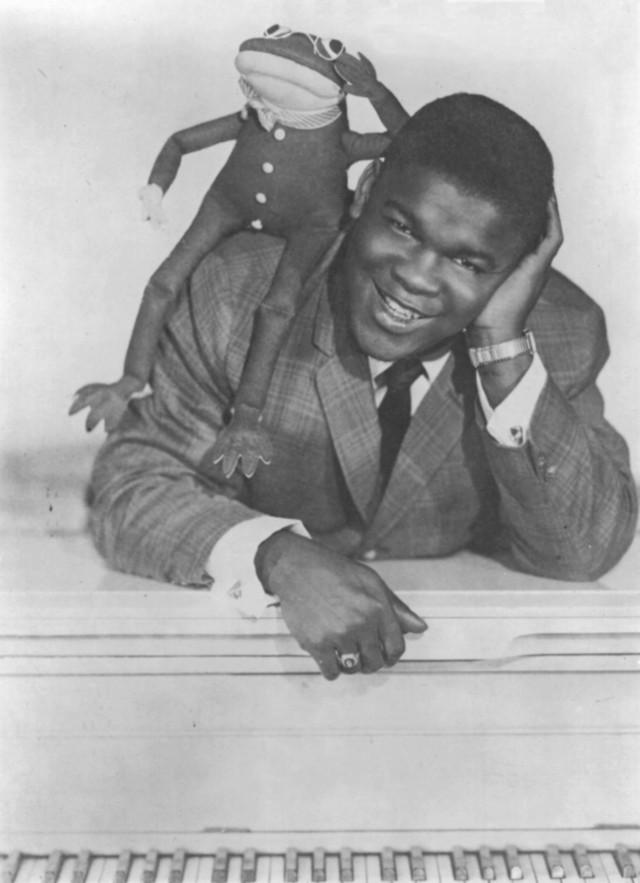
Clarence "Frogman" Henry

Blues
Contemporary Blues
Soul
 Viberate Rank: 77304
 Viberate Rank: 77304
 Monthly ListenersFollowers
 Subscribers
 Followers
 Followers
 FansTop Spotify Songs
| Track | 7-Day Streams | |
|---|---|---|
1 | 53.91K | |
2 | 30.99K | |
3 | 28.92K | |
4 | 12.60K | |
5 | 12.55K |
Top YouTube VideosMonthly ListenersFeatured in Playlists| Playlist | Followers | |
|---|---|---|
1 |  Latin Jazz Spotify | 513.12K |
2 | Golden Oldies 50's & 60's - Best of 50s/60s. EN Greatest hits - Grandes éxitos de los años 50 y 60. Leticia-Recopilatorios | 198.94K |
3 |  Boogaloo Essentials Spotify | 107.39K |
4 |  50s housewife bangers🍸 caera | 93.16K |
5 |  You're Superb The Classics | 92.92K |
Audience| City | Monthly Listeners | |
|---|---|---|
1 |  | 2.27K |
2 |  | 2.03K |
3 | | 1.94K |
4 | | 1.70K |
5 | | 1.47K |
See full performance history, audience data, playlist activity, rankings, comparisons, and more in Viberate music analytics. Start with a free trial, then continue with a paid plan.
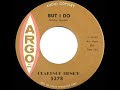
Clarence "Frogman" Henry’s Spotify BioOne of the great stars of New Orleans R&B, Clarence "Frogman" Henry's stage name was a nod to his greatest hit, 1956's "Ain't Got No Home," in which he declared "I got a voice/I love to sing/I sing like a girl/And I sing like a frog," and proceeded to demonstrate he could do just that. Filled with Crescent City bounce and Henry's rollicking piano work, the tune's carefree yet plaintive lyric set the tone for a pair of 1961 hits, "(I Don't Know Why) But I Do" and "You Always Hurt the One You Love." Those singles marked Henry's last visits to the Pop Top 40, but he remained a presence in New Orleans nightclubs and music festivals for decades to come, and the 1994 collection Ain't Got No Home: The Best of Clarence "Frogman" Henry collected his best-loved work.
Clarence Henry was born in New Orleans on March 19, 1937. When he was eleven years old, his family settled in the Algiers neighborhood in the city's 15th Ward, which he would call home for the rest of his life. When he was eight… years old, Henry began learning to play piano, taking inspiration from the distinctive styles of local heroes Fats Domino and Professor Longhair. Henry also played trombone in his school band, and in his teens he started performing with local bands. It wasn't long before Henry formed his own combo, and one night, he closed out his set with a new song, "Ain't Got No Home," where he showed off an amusing girlish falsetto as well as his craggy bullfrog croak. Paul Gayten, another local musician on the bill that night who was moonlighting as a scout for Chess Records, liked the tune, and on his suggestion, the label booked time at Cosimo Matassa's studio to cut a single. Chess initially issued "Ain't Got No Home" in 1956 as the B-side to the song "Troubles, Troubles," but when disc jockey Clarence Hayman, whose on-air name was Poppa Stoppa, played the flipside, listeners began requesting it, and "Ain't Got No Home" would peak at number three on the R&B singles chart. It would cross over to the Pop Top 40 as well, rising to number 20.
Three follow-up singles issued in 1957 and 1958 failed to chart, and Henry supported himself playing nightclub dates on Bourbon Street. In 1961, Henry recorded a version of Bobby Charles and Paul Gayten's "(I Don't Know Why) But I Do," which put him back in the spotlight -- it topped out at number four on the pop chart, number nine on the R&B survey, and became a major hit in Canada and the United Kingdom. Henry followed it with a cover of the Mills Brothers' chestnut "You Always Hurt the One You Love," which became another chart success, going to number 12 pop and number 11 R&B. While further hits didn't follow, the success of his 1961 singles helped Henry re-establish himself on the touring circuit, and in 1964 he was tapped to open an 18-date North American tour for the Beatles, with the Bill Black Combo and the Jive Five also on the bill.
Buoyed by the success of Henry's 1961 singles, that year Chess's Argo subsidiary issued an album, You Always Hurt the One You Love, and a year later, Henry cut Bourbon St. New Orleans for his own CFH label. Henry wouldn't cut another album until Roulette Records issued Clarence (Frogman) Henry Is Alive and Well Living in New Orleans and Still Doing His Thing. By this time, Henry had become a mainstay on the Crescent City nightclub scene, regularly headlining on Bourbon Street, and live work would dominate his career from this point on -- he booked frequent local gigs and toured on occasion. He also developed a following on the Louisiana Cajun music scene, cutting regionally released singles and performing in the zydeco style at venues across the state. Though "(I Don't Know Why) But I Do" and "You Always Hurt the Ones You Love" charted higher, "Ain't Got No Home" would become Henry's most enduring tune, a favorite on oldies radio and popping up on the soundtracks of popular movies such as Diner, Forrest Gump, and Casino. Henry appeared annually at the New Orleans Jazz & Heritage Festival, where he was joyously welcomed as a local hero. He had been booked to play the event in 2024, but died on April 7, 2024, less than three weeks before he was scheduled to appear. He was 87. ~ Mark Deming, Rovi
Viberate is a music analytics platform built for A&Rs, artist managers, labels, booking agents, marketers, and artists.
It helps music professionals track artist growth, analyze audience data, monitor playlist activity, compare artists, follow song performance, and identify opportunities across the music market.
Public artist pages provide a free preview of selected artist data. Paid plans provide access to deeper analytics, historical data, charts, comparisons, playlist tools, exports, alerts, reports, and additional professional features.
Yes. Public Viberate artist pages provide selected artist analytics and music data for free.
Viberate also offers a 7-day free trial of the full platform. A credit card is required to start the trial. The trial includes access to the complete product so users can test deeper artist analytics, historical views, playlist insights, comparisons, charts, exports, alerts, and reporting features before choosing a paid plan.
Viberate provides artist analytics across streaming, playlists, social media, video, radio airplay, songs, and audience markets.
Users can analyze Spotify performance, Spotify and Apple Music playlists, YouTube activity, TikTok and Instagram growth, radio spins, song performance, audience locations, demographics, rankings, and overall artist momentum.
Artist profiles also connect to music charts, similar artists, and comparison tools, helping users benchmark performance and evaluate artists in context.
Viberate updates key artist and track data daily.
For followed artists and tracks, selected data is refreshed multiple times per day. This helps teams monitor playlist changes, streaming movement, audience growth, releases, and campaign performance with more current data.
Update frequency can vary depending on the metric and data source.
Yes. Viberate lets users compare up to five artists side by side across streaming, social media, audience, and engagement metrics.
Users can compare fanbase growth, audience demographics, locations, Spotify performance, social metrics, and other artist data over selected time periods.
Artist comparison can be used for A&R scouting, benchmarking, booking decisions, campaign planning, and evaluating artists with similar audiences or market positions.